Vance demands concrete nuclear concessions from Iran amid Hormuz stalemate

scanx
Reviewed by
Shriram SScanX News Team
Key Highlights
  • Vance demands meaningful reduction in Iran's nuclear enrichment capacity
  • US rejects Tehran's latest offer, warning of intensified military operations
  • Iran refuses to fully reopen Strait of Hormuz without seven conditions met
  • Qatar mediates as conflict disrupts shipping through key energy route
powered bylight_fuzz_icon
52897180

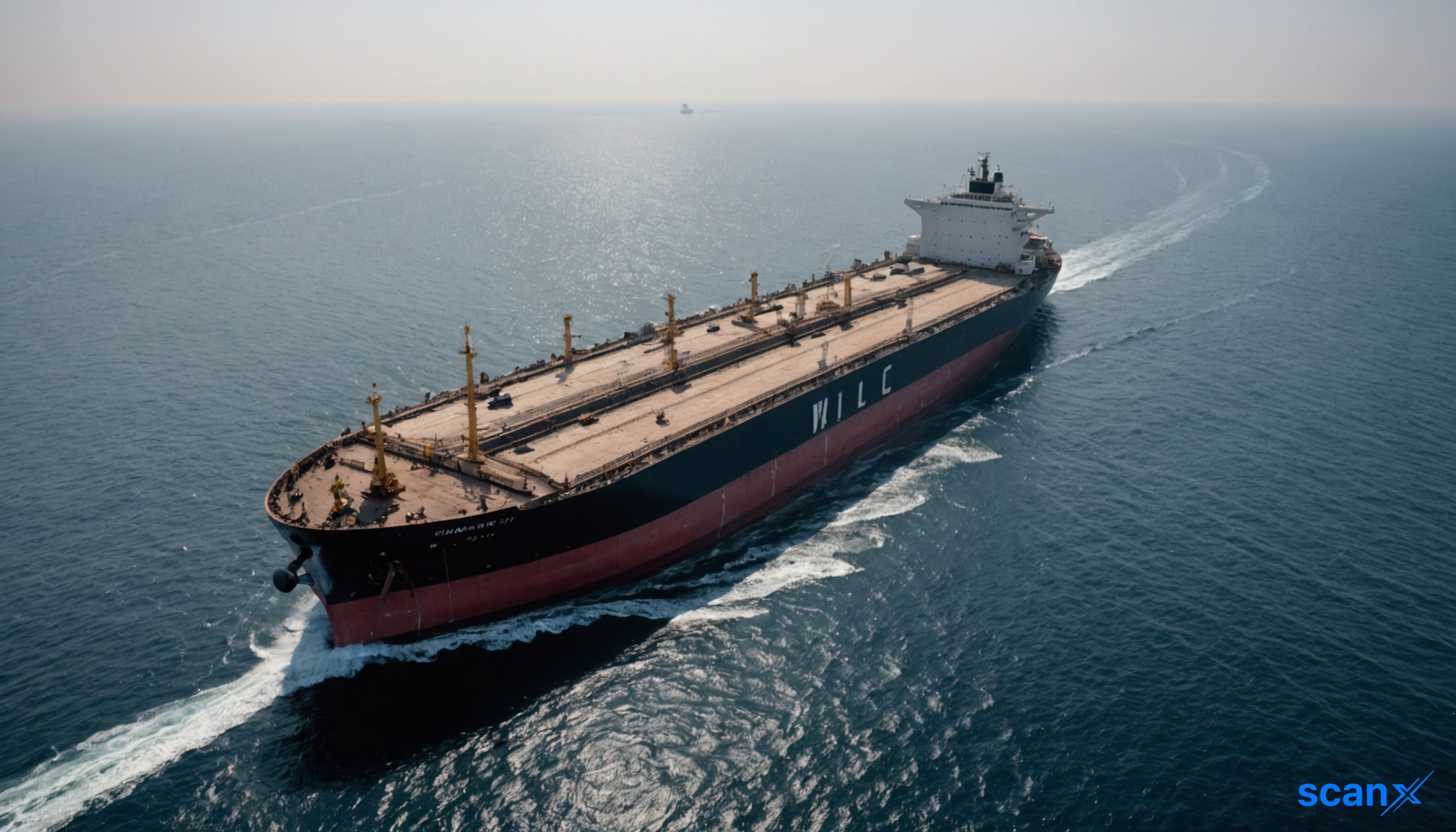
*this image is generated using AI for illustrative purposes only.

US Vice President JD Vance stated that Iran must take concrete steps to reduce its uranium-enrichment capacity, arguing that assurances alone will not satisfy the United States as Washington seeks an end to the seven-month war.

Vance told Reuters that any agreement with Iran would require a "meaningful" reduction in its nuclear enrichment capacity, rather than promises that Tehran would scale back its program at a later date. He questioned why Iran would maintain such enrichment capabilities if its nuclear program is intended for peaceful purposes.

"If you don't want a nuclear weapon, then why do you need 60% enriched fuel?" Vance said. He added that Iran could demonstrate its commitment by taking tangible steps to limit highly enriched uranium production.

US rejects words without action

The comments come as the US and Iran have exchanged proposals to end the conflict and reopen the Strait of Hormuz, a crucial global energy shipping route. President Donald Trump has rejected Tehran's latest offer and warned that US military operations could intensify after the November midterm elections.

Vance said Washington remains open to a deal but expects verifiable Iranian concessions. "We're not going to trade words for actions," Vance said.

Iran sets conditions for Hormuz reopening

Meanwhile, Iranian Parliament Speaker Mohammad Bagher Ghalibaf said Sunday that Tehran would not fully reopen the Strait of Hormuz unless Washington meets seven conditions. A document circulating among officials proposes a seven-day confidence-building period to return the US and Iran to a broader version of the June memorandum of understanding, Reuters reported.

The plan includes specific steps concerning Iran's nuclear program, according to the publication, citing an official familiar with the negotiations. Qatar has been mediating between the US and Iran as both sides work to resolve the dispute and restore commercial shipping through the strategic waterway, which handled roughly one-fifth of global oil and liquefied natural gas flows before the conflict.

Iranian Foreign Minister Abbas Araghchi has said Tehran remains committed to diplomacy but is prepared to respond if Washington resumes military operations.

Disclaimer: This article is AI-generated using data from ViewTrade. ScanX is not liable for any inaccuracies.

How might the potential intensification of US military operations after the November midterm elections impact global oil prices and energy market volatility?

What specific economic incentives or sanctions relief is Qatar proposing to bridge the gap between the US demand for verifiable nuclear reductions and Iran's seven conditions for reopening the Strait of Hormuz?

If the Strait of Hormuz remains partially closed, how will global shipping companies adjust their logistics networks and insurance costs to mitigate supply chain disruptions?

like20
dislike

Bessent says Iran loaded zero crude since August 25, rial hits record low

scanx
Reviewed by
Shraddha JScanX News Team
Key Highlights
  • US Treasury Secretary Scott Bessent stated Iran has loaded zero crude onto vessels since August 25
  • The Iranian rial has plunged to record lows amid intensified economic isolation efforts
  • Oil flows through the Strait of Hormuz remain stable at over 13.5 million barrels per day
  • Iran's real GDP fell 10.1% YoY, with the oil and gas sector contracting by 26.4%
  • Aviation restrictions have reduced Iranian external flights by 80% to 90%
powered bylight_fuzz_icon
52063160

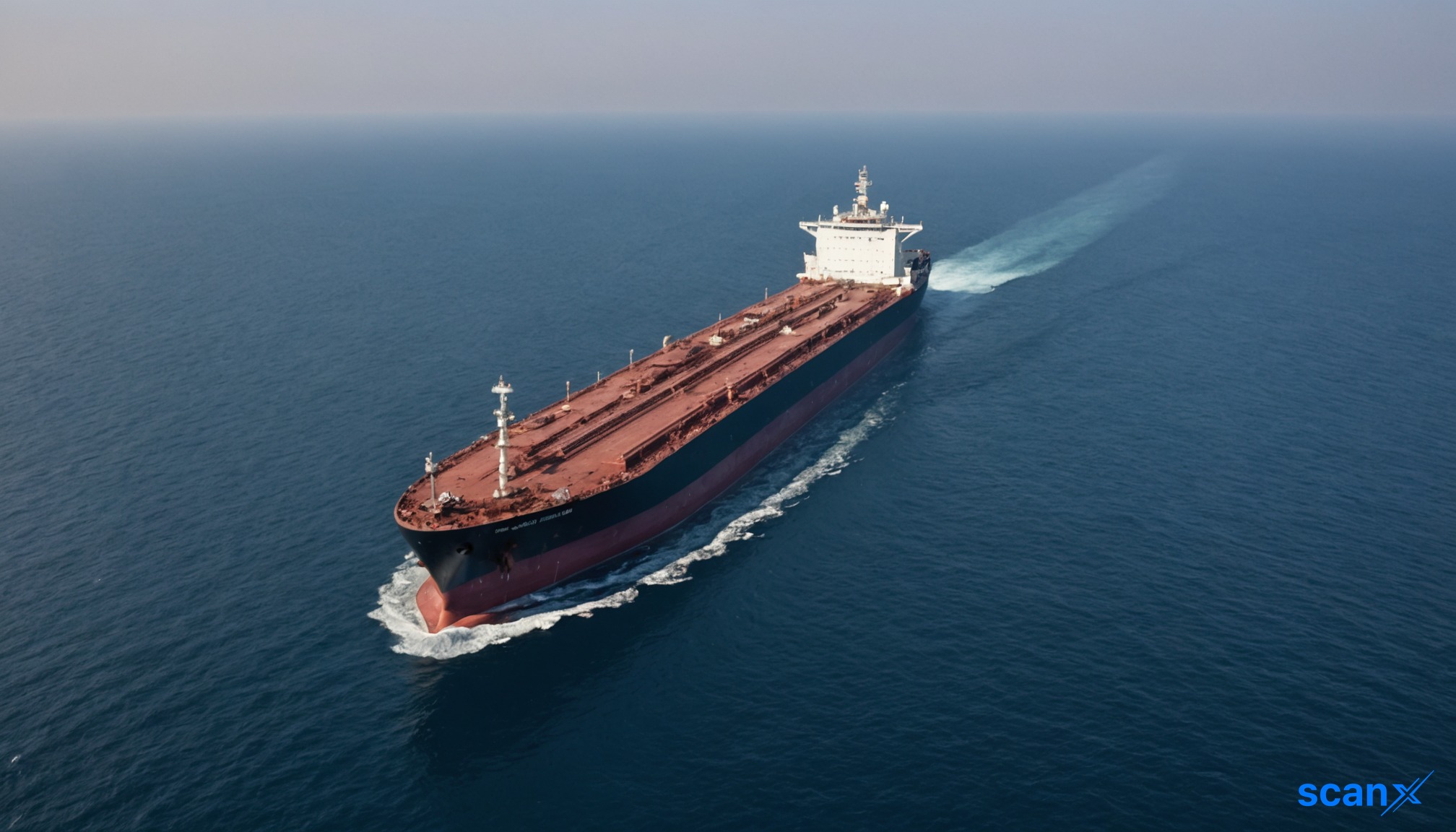
*this image is generated using AI for illustrative purposes only.

US Treasury Secretary Scott Bessent announced that Iran has not loaded a single barrel of crude oil onto a vessel since August 25. This marks a complete halt in Iranian crude exports and signifies a significant escalation in economic isolation efforts. Bessent posted on X that the rial has plunged to record lows and described the period as one of the most difficult in the country's history.

Sanctions target aviation and banking

The US Treasury has intensified economic pressure, securing commitments from allies to halt Iranian flights and block banking transactions. Bessent confirmed that envoys were dispatched globally to isolate the Iranian regime. The strategy aims to ground Iran's civilian fleet and cut off financial channels. Key allies including Turkey, Oman, the United Arab Emirates (UAE), and Iraq have suspended operations for Iranian airlines.

The UAE Central Bank blocked transactions involving branches of Iran's Bank Melli on Wednesday, citing violations of anti-money laundering and terrorist financing rules. Previously, Turkey revoked the operating license of Iran's Bank Mellat. Washington has also imposed sanctions on global companies doing business with Iranian airlines after September 23. Bessent noted that restrictions on the aviation industry have resulted in an 80% to 90% reduction in external flights.

Strait of Hormuz flows remain stable

Despite geopolitical tensions and Bessent's claims regarding tanker loading, oil shipments through the Strait of Hormuz have not been disrupted. US Energy Secretary Chris Wright stated that flows are averaging almost 13 million barrels a day. Independent data from Commodity Context confirms that more than 13.5 million barrels a day are clearing the strait on a seven-day average.

Robin Brooks, a senior fellow at the Brookings Institution, noted that tanker traffic is at its highest in months. He argued that Iran has lost asymmetric leverage over the US in negotiations. Oil ETFs such as the United States Oil Fund slipped 0.77% to $148.87, while Brent futures declined 0.18% to $102.13 at press time.

Metric Value Source
Oil flow through Hormuz ~13 million bpd US Energy Secretary
Seven-day average flow >13.5 million bpd Commodity Context
Brent crude price >$100 per barrel Trading Economics
Supertanker rates $1.27 million per day OilPrice.com

Iran's economy contracts sharply

Iranian government data reveals a severe economic downturn. Real GDP fell 10.1% year over year between late March and late June. The oil and gas extraction sector, a primary source of foreign currency, contracted by 26.4%. Inflationary pressures remain acute. Prices in July were 88% higher than a year earlier, while food inflation exceeded 128%. The rial has lost approximately half its value over the past year, trading at up to 2.4 million rials to the dollar on the open market as of September 8. Bessent also targeted Iranian rail and automotive conglomerates, stating these industries have been coopted by the regime and the Islamic Revolutionary Guard Corps (IRGC).

What the numbers show

The divergence between stable global oil throughput through the Strait of Hormuz and Bessent's claim of zero Iranian tanker loading since August 25 highlights the efficacy of financial isolation over physical blockade. While physical supply chains remain intact with over 13.5 million barrels a day moving through the strait, the 26.4% drop in extraction combined with 88% general inflation indicates that Iran's ability to monetize exports and import goods is severely impaired by banking restrictions rather than shipping disruptions.

Diplomatic stalemate persists

Iran proposed reopening the Strait of Hormuz within seven days if Washington lifted its blockade and unfroze assets. Trump rejected this offer, stating Iran is "losing so badly." Vali Nasr, a professor at Johns Hopkins University, described the proposal as demanding terms favorable to Iran.

Iran's Supreme Leader Ayatollah Mojtaba Khamenei mocked Trump and the US, saying that blows suffered by America and its allies had resulted in the US not daring to move past the Arabian Sea. Khamenei also said that the US would eventually be kicked out of the Middle East. Analysts warn the pressure could provoke further escalation. Hamidreza Azizi, a visiting fellow at the German Institute for International and Security Affairs, suggested Tehran may strengthen its position in the Strait ahead of US midterms to counter perceived desperation.

Disclaimer: This article is AI-generated using data from LiveSquawk. ScanX is not liable for any inaccuracies.

How might the divergence between stable Strait of Hormuz throughput and zero Iranian exports impact global oil supply chain logistics and tanker freight rates in the coming quarters?

What are the potential secondary effects on regional banking sectors in Turkey, the UAE, and Iraq as they enforce stricter compliance with US sanctions against Iranian financial institutions?

Could Iran's proposed strategy to strengthen its position in the Strait of Hormuz ahead of US midterms trigger a military escalation or disrupt global energy markets despite current stability?

like20
dislike