

US Supreme Court Schedules Trump Tariffs Ruling for January 20


The US Supreme Court will release rulings on January 20, including the high-profile challenge to Trump's global tariffs imposed under the 1977 International Emergency Economic Powers Act. During November oral arguments, justices from both sides showed skepticism about using emergency powers for trade policy, while lower courts already found Trump exceeded his authority.

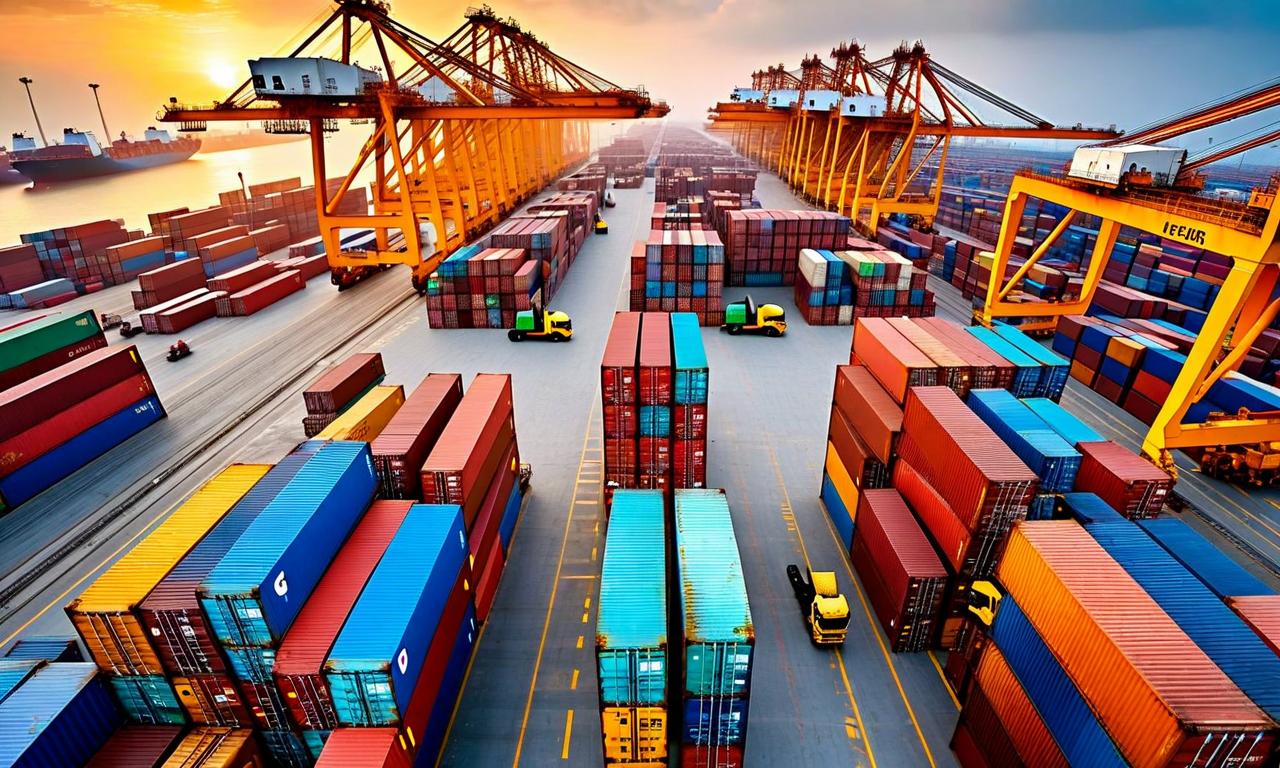

*this image is generated using AI for illustrative purposes only.
The US Supreme Court is scheduled to release its next batch of rulings on January 20 at 10:00 a.m. ET, with the closely watched challenge to President Donald Trump's sweeping global tariffs among the high-profile cases awaiting decisions. The court announced on Friday, January 16, that it may issue opinions in argued cases when justices convene for their scheduled sitting.
Tariff Challenge Details
The legal challenge tests both the scope of presidential authority and the court's willingness to constrain Trump's expansive claims of executive power since his return to office in January 2025. Trump invoked the International Emergency Economic Powers Act to impose "reciprocal" tariffs on imports from nearly all US trading partners, citing a national emergency linked to persistent trade deficits.
| Case Details: | Information |
|---|---|
| Legal Basis: | International Emergency Economic Powers Act (1977) |
| Tariff Coverage: | Nearly all US trading partners |
| Justification: | National emergency from trade deficits |
| Current Status: | Administration appealing lower court decisions |
Court Skepticism During Arguments
During oral arguments held on November 5, both conservative and liberal justices appeared skeptical of the administration's reliance on the 1977 law designed for use during national emergencies to justify the tariffs. Lower courts previously found that Trump exceeded his authority in imposing these trade measures. The administration is currently appealing these adverse decisions.
Broader Legal Implications
The Supreme Court's eventual ruling will establish a landmark precedent extending beyond Trump's current tariff policies, setting guidelines for how future presidents can invoke emergency powers to shape economic policy. This decision could significantly influence the scope of executive authority in international trade matters and have far-reaching implications for global trade and the international economy.
Stakeholder Positions
Trump has repeatedly defended the tariffs, arguing they have strengthened the US financially. In a social media post on January 2, he warned that a Supreme Court ruling striking them down would be a "terrible blow" to the country. The lawsuits challenging the tariffs were filed by businesses affected by the levies and by 12 US states, most of them governed by Democrats.
Additional Pending Cases
Several other major cases are also pending before the court, which maintains a 6-3 conservative majority. These include a challenge to a key provision of the Voting Rights Act of 1965 and a case questioning a Colorado law that bans licensed psychotherapists from engaging in "conversion therapy" for LGBT minors on free speech grounds.
 20
20





 Access 50+ Readymade Screeners
  Use 200+ Custom Filters
  Get Full Market Insights





