

US Retail Sales Beat Expectations in November with 0.6% Growth on Holiday Shopping Boost


US retail sales exceeded expectations in November with 0.6% month-on-month growth reaching $735.9 billion, beating analyst forecasts of 0.4% and rebounding from October's 0.1% decline. Year-on-year growth reached 3.3%, with restaurants and bars leading sector performance at 0.6% monthly growth, while department stores declined 2.9%. Economists note the growth is concentrated among high-income households spending wealth gains, raising sustainability concerns amid evolving trade policies and labor market conditions.

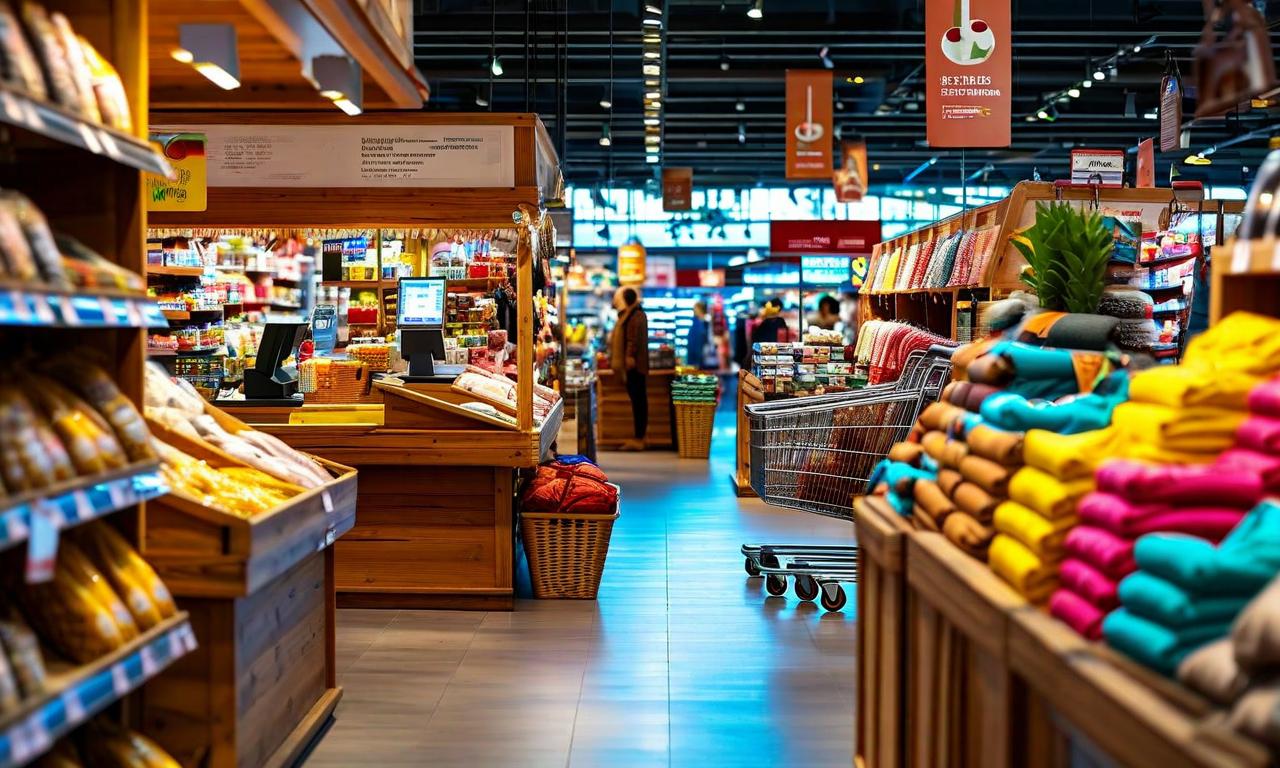

*this image is generated using AI for illustrative purposes only.
US retail sales demonstrated resilience in November, posting stronger-than-expected growth as consumers entered the holiday shopping season. The Department of Commerce reported retail sales rose 0.6% month-on-month to $735.9 billion, surpassing analyst expectations and marking a notable recovery from the previous month's decline.
November Performance Exceeds Forecasts
The November retail sales performance significantly outpaced expectations, with the 0.6% monthly growth beating analyst forecasts of 0.4% growth. This represented a substantial rebound from October's revised 0.1% decline, indicating renewed consumer confidence as the holiday season approached.
| Metric | November Performance | Previous Month | Analyst Expectation |
|---|---|---|---|
| Monthly Growth | +0.6% | -0.1% (October, revised) | +0.4% |
| Total Sales Value | $735.9 billion | - | - |
| Year-on-Year Growth | +3.3% | - | - |
Michael Pearce, chief US economist at Oxford Economics, noted that the strong retail sales gain supports forecasts for a solid holiday season, with holiday retail sales volume rising by the strongest rate since 2021.
Sector-Wise Performance Analysis
The retail landscape showed mixed performance across different sectors during November. Restaurants and bars led the recovery with 0.6% growth, reversing October's 0.1% decline. Auto dealers and gasoline stations contributed significantly to the overall uptick in retail sales.
| Sector | November Growth | October Performance |
|---|---|---|
| Restaurants and Bars | +0.6% | -0.1% |
| Grocery Stores | +0.1% | - |
| Furniture Stores | -0.1% | - |
| General Merchandise | 0.0% (flat) | - |
| Department Stores | -2.9% | - |
While some sectors showed positive momentum, others faced challenges. Grocery store spending increased modestly by 0.1%, while furniture stores experienced a 0.1% decline. Department stores faced particular pressure with a 2.9% drop in sales.
Economic Concerns and Future Outlook
Despite the positive headline numbers, economists express caution about the underlying consumption patterns. The growth appears concentrated among high-income households utilizing recent wealth gains, raising questions about the breadth and sustainability of consumer spending.
The retail sales data was released on a delayed schedule due to a government shutdown between October and mid-November. Looking ahead, consumer strength faces potential headwinds from trade policy changes and cooling labor market conditions.
Producer Price Developments
A separate Department of Commerce report revealed producer prices increased 0.2% in November, primarily driven by rising goods costs. The Labor Department attributed this increase largely to energy cost fluctuations during the month, adding another dimension to the economic landscape as retailers and consumers navigate pricing pressures.
 19
19






 Access 50+ Readymade Screeners
  Use 200+ Custom Filters
  Get Full Market Insights





