US Files Court Warrants to Seize Dozens More Venezuela-Linked Oil Tankers


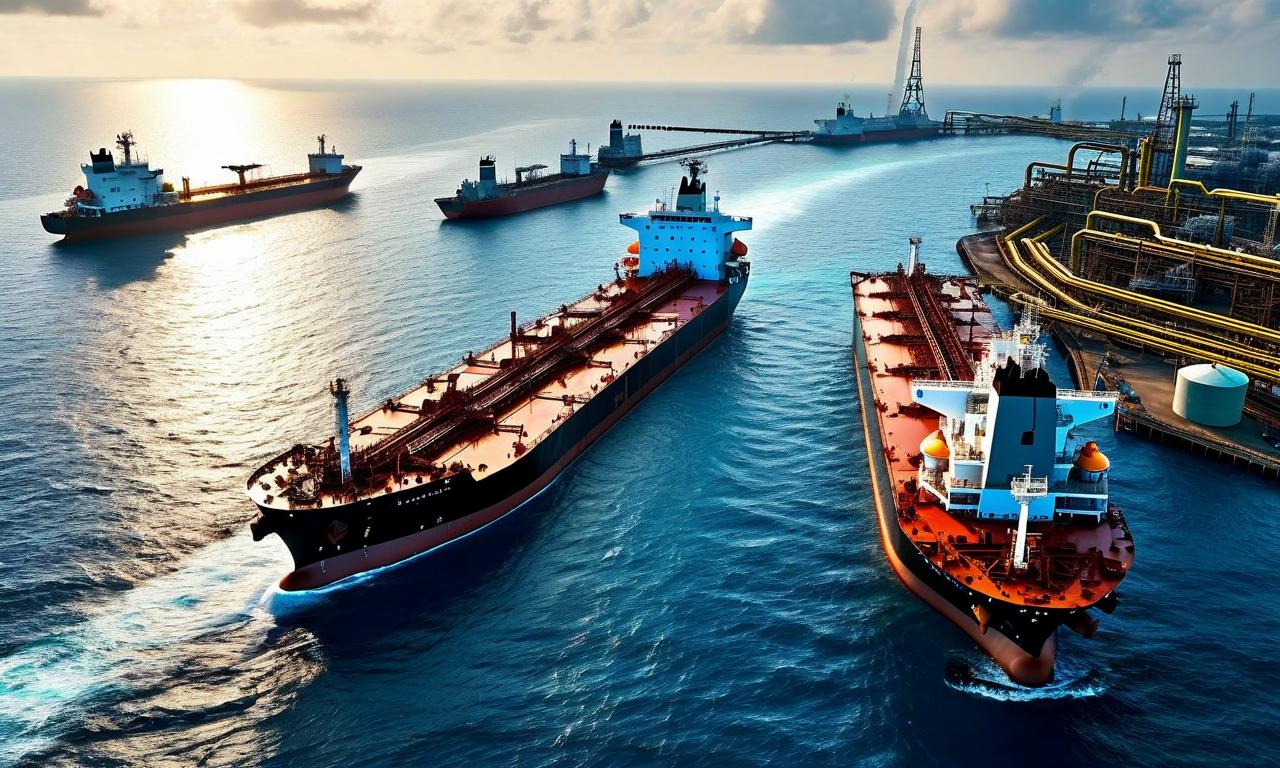
The US government has filed court warrants to seize dozens more tankers linked to Venezuelan oil trade as part of Washington's campaign to control Venezuela's oil shipments following Nicolas Maduro's capture on January 3. The US military and Coast Guard have already seized five vessels in recent weeks, targeting both ships and cargoes in an escalation from previous enforcement actions that only confiscated oil cargo.
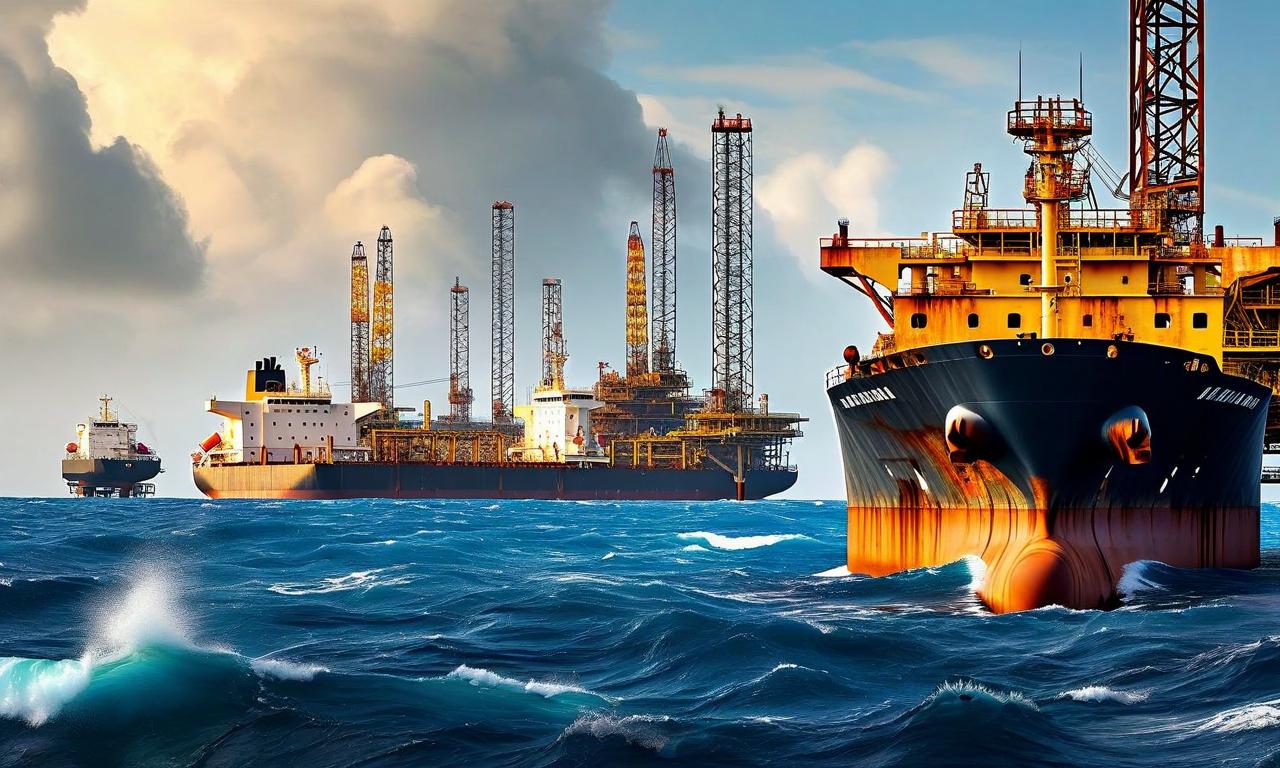

*this image is generated using AI for illustrative purposes only.
The US government has filed for court warrants to seize dozens more tankers linked to the Venezuelan oil trade, according to four sources familiar with the matter. This development represents Washington's continued effort to consolidate control over oil shipments in and out of Venezuela following significant geopolitical changes in the South American country.
Recent Vessel Seizures and Military Action
The US military and Coast Guard have seized five vessels in recent weeks in international waters. These ships were either carrying Venezuelan oil or had previously transported such cargo as part of their operations.
| Action Details: | Information |
|---|---|
| Vessels Seized: | 5 ships in recent weeks |
| Location: | International waters |
| Cargo Status: | Carrying or previously carried Venezuelan oil |
| Enforcement Agencies: | US military and Coast Guard |
The seizures were part of Washington's campaign to force Venezuelan President Nicolas Maduro out of power, which culminated in US forces capturing him on January 3. Since then, the Trump administration has stated its plans to control Venezuela's oil resources indefinitely while seeking to rebuild the country's deteriorated oil industry.
Legal Framework and Court Filings
The US government has filed multiple civil forfeiture actions in district courts, primarily in Washington, DC. These legal actions enable the seizure and confiscation of both oil cargoes and ships involved in the Venezuelan oil trade. The sources, who declined to be identified due to the matter's sensitivity, indicated that dozens of seizure warrants have been filed.
The exact number of seizure warrants filed and how many have been approved remains unclear, as the filings and legal orders are not public documents. The Department of Justice did not immediately respond to requests for comment regarding these actions.
Targeted Vessels and Shadow Fleet Operations
The vessels already intercepted fall into specific categories that have drawn US enforcement attention:
- Ships currently under US sanctions
- Vessels part of the "shadow fleet" of unregulated ships
- Tankers that disguise their origins to move oil from sanctioned producers
- Ships facilitating trade with Iran, Russia, or Venezuela
Many tankers remain at sea carrying Venezuelan crude to China, Venezuela's top oil buyer, or have previously engaged in such transport. The US has imposed sanctions on numerous vessels for facilitating oil trade with Venezuela or Iran.
Enforcement Escalation and Current Status
There has been a pause in US action to seize vessels since Friday, according to the sources, though action could resume against vessels and cargoes not authorized by the US. Pentagon spokesperson Sean Parnell stated on Friday that the Department of Defense, together with other US agencies, would "hunt down and interdict ALL dark fleet vessels transporting Venezuelan oil at the time and place of our choosing."
The current enforcement represents an escalation from previous seizures of Iranian cargoes between 2020 and 2023. In those earlier cases, US law enforcement confiscated oil cargo but not the vessels themselves, whereas recent actions target both ships and their cargoes.
International Response and Notable Seizures
US Attorney General Pam Bondi announced on January 7 that the Department of Justice was "monitoring several other vessels for similar enforcement action." This statement followed the seizure of the Bella-1 tanker, which was empty of cargo and marked the first time in recent memory that the US military seized a Russian-flagged vessel.
Russia's Foreign Ministry described the action as "the illegal use of force" by the US military, adding that the application of US sanctions was "without legal foundation." The incident highlights the international tensions surrounding these enforcement actions, as Russia, like Venezuela, relies on shadow fleet operations to transport sanctioned oil.
 18
18