

US Construction Spending Rebounds 0.5% in October Driven by Residential Renovations


U.S. construction spending rose 0.5% in October, beating expectations of 0.1% growth, driven by a 1.3% surge in residential investment primarily from renovations. Private construction led with 0.6% growth while public construction increased 0.1%. Despite the monthly gain, annual spending declined 1.0%, reflecting persistent challenges from higher mortgage rates, tariff-inflated material costs, and labor shortages affecting the construction sector.

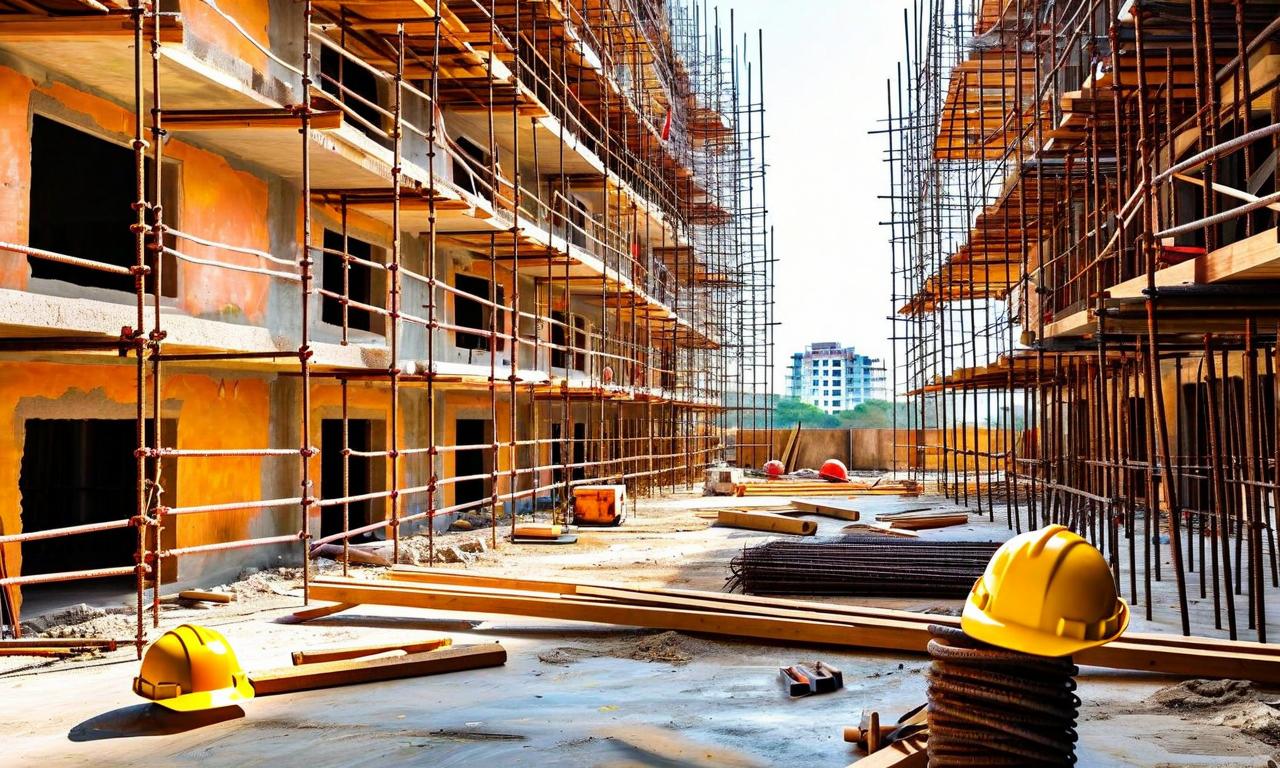

*this image is generated using AI for illustrative purposes only.
U.S. construction spending exceeded expectations in October, rising 0.5% compared to economist forecasts of just 0.1% growth, according to data released by the Commerce Department's Census Bureau. The increase marked a recovery from September's 0.6% decline, though spending remained down 1.0% year-on-year.
Private Construction Drives Growth
Private construction projects led the October rebound, with spending increasing 0.6% after a 0.9% decline in September. The growth was primarily concentrated in the residential sector, which saw investment surge 1.3% following a 1.4% drop the previous month.
| Construction Sector | October Change | September Change |
|---|---|---|
| Overall Construction | +0.5% | -0.6% |
| Private Construction | +0.6% | -0.9% |
| Residential Investment | +1.3% | -1.4% |
| Private Nonresidential | -0.2% | N/A |
Renovations Offset New Housing Declines
The residential construction increase occurred despite declining investment in new housing projects. Spending on new single-family housing projects dropped 1.3%, while multi-family housing units, which represent a smaller market share, fell 0.2%. With both categories declining, the overall residential growth likely reflected increased renovation activity.
The homebuilding sector continues facing significant headwinds, including:
- Higher mortgage rates impacting affordability
- Increased building material costs due to import tariffs
- Persistent labor shortages
- Oversupply of new homes deterring builders from starting new projects
Mixed Signals for Market Recovery
Recent developments present conflicting indicators for the construction sector's future. Mortgage rates have declined in recent weeks following the Trump administration's purchases of mortgage-backed securities, potentially stimulating home purchases and reducing new housing inventory.
However, rising long-term U.S. bond yields amid renewed trade tensions between Washington and Europe could limit further rate declines. Mortgage rates typically track the 10-year U.S. Treasury yield, which has increased following President Trump's threats to impose tariffs on nations not supporting his bid to acquire Greenland.
Public Construction Shows Modest Gains
Public construction investment edged up 0.1% in October, slowing from September's 0.4% increase. State and local government construction spending rose 0.3%, while federal government project outlays decreased 2.0%.
| Public Construction | October Performance |
|---|---|
| Overall Public Construction | +0.1% |
| State & Local Government | +0.3% |
| Federal Government Projects | -2.0% |
Investment in private nonresidential structures, including offices and factories, fell 0.2% in October. This sector has contracted for seven consecutive quarters, though potential support may come from data center construction amid the artificial intelligence spending boom.
Residential investment has remained a drag on gross domestic product for three straight quarters, highlighting the sector's ongoing challenges despite October's renovation-driven growth.
 19
19






 Create Custom Screeners
  Access 200+ Pre-built Filters
  Use 50+ Readymade Screener





