

US Army Opens Test Ranges To Private Industry To Break Munitions Bottleneck


The US Army opens test ranges to private industry to break the munitions bottleneck. This allows firms to prove weapons work in battlefield conditions, expediting military supply. The move aims to accelerate validation and enhance collaboration between the military and private defense contractors.


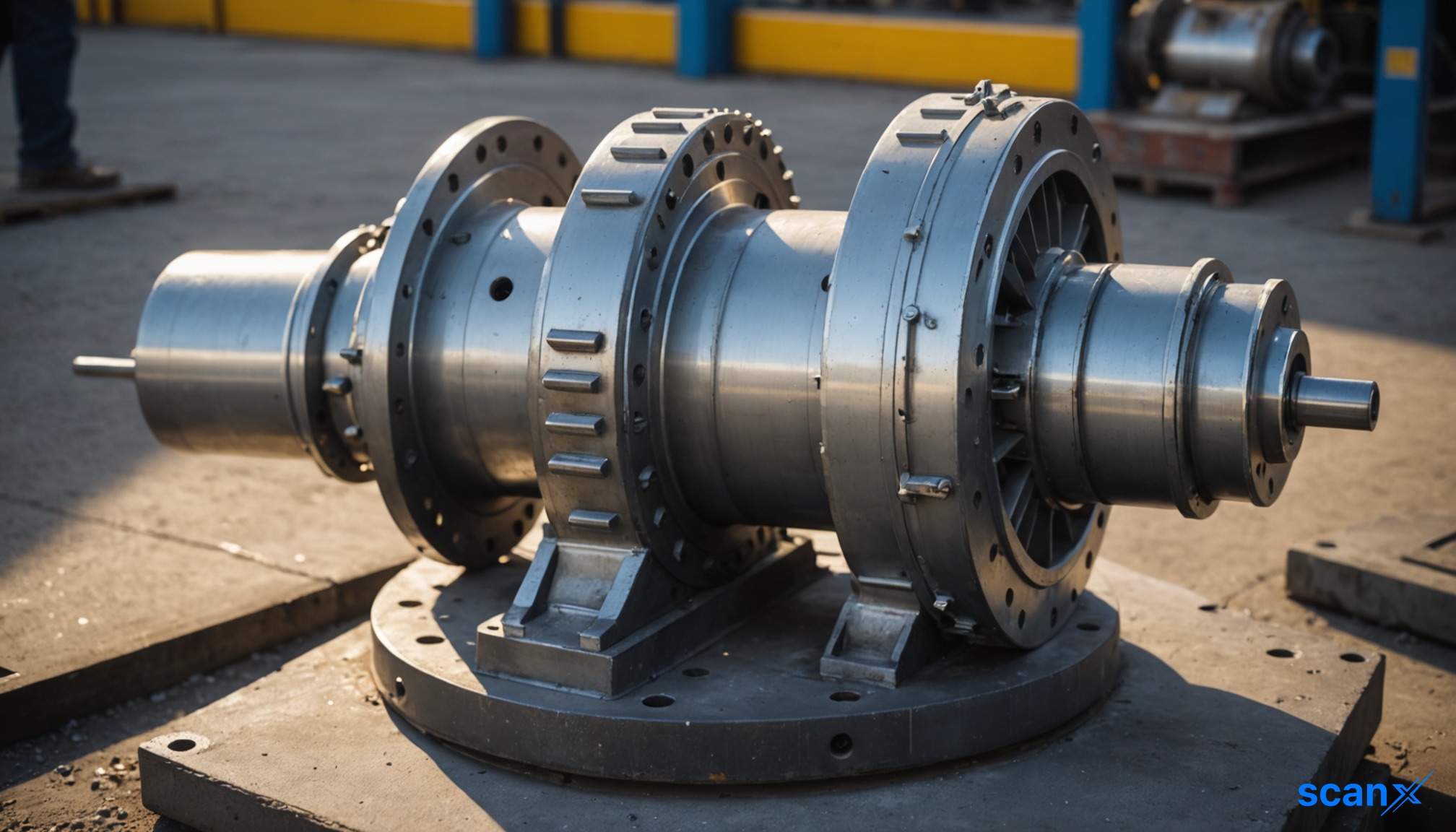
*this image is generated using AI for illustrative purposes only.
The US Army has opened its test ranges to private industry to help break the munitions bottleneck, a strategic move designed to accelerate the supply of critical defense equipment. By granting access to these facilities, the military aims to allow private companies to prove their weapons work in battlefield conditions, thereby expediting the overall process of supplying the armed forces.
This decision addresses immediate logistical constraints by leveraging private sector capabilities. The primary objective is to streamline the validation of munitions, ensuring that private manufacturers can demonstrate the efficacy of their products under realistic combat scenarios. This direct access is intended to reduce delays associated with traditional procurement and testing pathways.
Strategic Implications
The opening of these ranges signifies a shift towards greater collaboration between the US Army and private defense contractors. The bottleneck in munitions supply has been a persistent challenge, and this measure seeks to alleviate pressure by integrating private industry more deeply into the testing phase. Companies can now validate their weapons systems directly within the Army's infrastructure, potentially shortening the time from development to deployment.
| Initiative | Objective | Expected Outcome |
|---|---|---|
| Open Test Ranges | Break munitions bottleneck | Expedite military supply |
| Private Industry Access | Prove weapons efficacy | Validate battlefield readiness |
Operational Impact
For private defense firms, this access provides a unique opportunity to demonstrate the robustness of their products. The ability to test weapons in conditions that mimic actual battlefield environments adds credibility to their offerings and may influence future contracting decisions. The US Army’s move underscores the urgency of maintaining adequate munitions stocks and the willingness to adapt procurement strategies to meet current demands.
The focus remains on practical outcomes: ensuring that weapons supplied to the military are proven and reliable. By removing barriers to testing, the Army hopes to foster a more responsive and efficient supply chain for munitions, critical for ongoing military operations.

Which specific defense contractors are likely to benefit most from immediate access to these test ranges, and how might this shift market share among competitors?
How will the US Army manage liability and safety protocols when private companies operate on military-controlled infrastructure?
Could this precedent lead to broader privatization of other military testing and validation processes beyond munitions?
 16
16





 Access Market Heat-map & Insights
  Create, Save & Share your Screener
  Use 200+ Screening Filters





