

Trump-Xi Talks Spotlight SK Hynix, Samsung China Semiconductor Exposure


- SK Hynix produces 35-40% of DRAM and 40-45% of NAND in China
- Samsung Electronics generates 30-35% of NAND output from China
- US export controls threaten ability to upgrade Chinese fabs
- xETFs CIO warns of two-sided dynamic for Korean chip ETFs
- Policy changes on equipment access will define competitive landscape

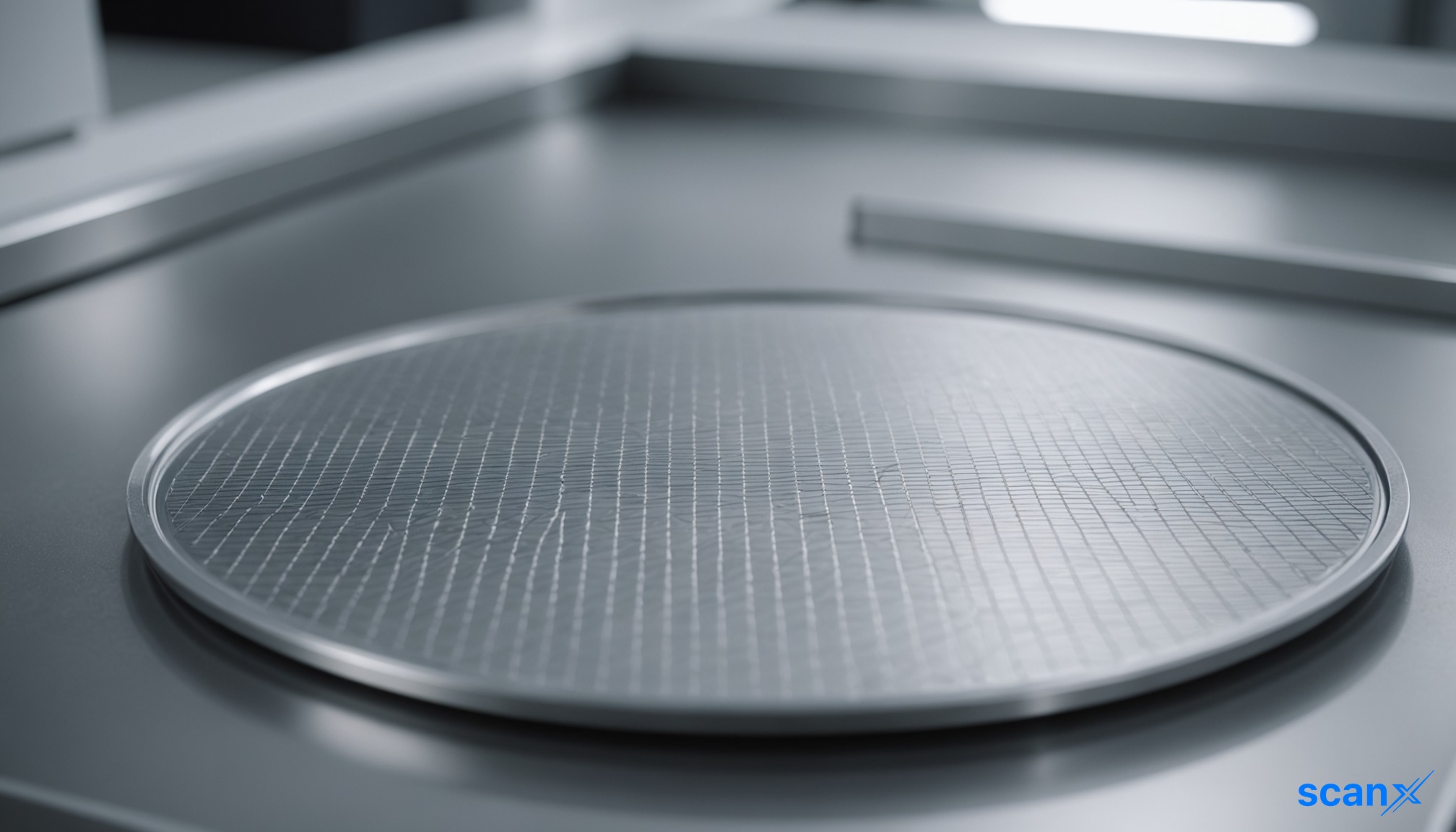

*this image is generated using AI for illustrative purposes only.
With President Donald Trump set to host Chinese President Xi Jinping at the White House next week, the semiconductor manufacturing footprint of Samsung Electronics and SK Hynix (NASDAQ: SKHY) in China has emerged as a critical issue for investors in Korean chip stocks and ETFs.
The exposure highlights a potential vulnerability beyond direct competition from Chinese firms. While both companies are directing newest capacity primarily to Korea, their existing operations in China remain meaningful, accounting for substantial portions of global output.
Manufacturing Footprint Data
According to TrendForce estimates cited by Kenneth Wong, CIO of xETFs, the production split for 2025 is as follows:
| Company | Product | Share of Output from China |
|---|---|---|
| Samsung Electronics | NAND | 30-35% |
| SK Hynix | DRAM | 35-40% |
| SK Hynix | NAND | 40-45% |
Wong noted that while China remains an important manufacturing base, the focus is shifting toward domestic capacity in Korea.
Regulatory Risks and Operational Continuity
US export controls have already complicated the ability of foreign chipmakers to operate and upgrade advanced facilities in China. For Samsung and SK Hynix, the primary concern is whether their existing Chinese fabs can continue to operate and receive necessary equipment to remain competitive.
Wong stated that this operational risk receives less attention than the possibility of direct restrictions on Chinese memory makers such as CXMT. He emphasized that the treatment of Samsung and SK Hynix’s own fabs is a key variable in future US-China semiconductor negotiations.
What the Numbers Show
The data reveals a significant concentration risk: SK Hynix relies on China for nearly half of its NAND production (40-45%) and over a third of its DRAM (35-40%). This heavy dependency means that any disruption to equipment access or licensing in China would directly impact a majority of its NAND supply chain, creating a divergence between its strategic shift to Korea and its current operational reality.
Implications for Korean Semiconductor ETFs
For investors using ETFs like the xETFs Korea Semiconductor ETF (NASDAQ: KSMH), China creates a two-sided dynamic. Restrictions on Chinese memory could support Korean producers by limiting competition, but tighter rules affecting Korean companies’ China operations could create uncertainty.
Wong said the most constructive outcome would be greater certainty that Samsung and SK Hynix can continue operating existing Chinese fabs without giving Chinese competitors greater access to advanced technology. He cautioned that restrictions on US purchases of Chinese memory could accelerate China’s efforts to develop a self-sufficient memory industry.
Investors should look beyond the headline outcome of the Trump-Xi meeting. Wong indicated that meaningful signals would be actual changes to export-control rules, licensing requirements, or the types of advanced semiconductor equipment Chinese fabs can access. The key question remains whether policy changes alter the ability of Korean companies to maintain their China operations while protecting their competitive position.

How might specific changes to US export control licensing requirements impact the maintenance schedules and yield rates of Samsung and SK Hynix's existing Chinese fabs?
What is the projected timeline for Samsung and SK Hynix to fully offset their Chinese production dependency with new domestic capacity in Korea?
Could restrictions on Korean firms' Chinese operations inadvertently accelerate China's domestic memory self-sufficiency, thereby increasing long-term competitive pressure on SK Hynix and Samsung?
 19
19



 Access Market Heat-map & Insights
  Create, Save & Share your Screener
  Use 200+ Screening Filters





