Trump's 25% Iran Trade Tariff Announcement Pressures Indian Markets Amid Export Concerns

2 min read     Updated on 13 Jan 2026, 01:27 PM
scanx
Reviewed by
Shraddha JScanX News Team
Overview

Trump's 25% tariff announcement on countries trading with Iran pressured Indian markets, with Sensex falling 545 points and Nifty declining 157 points. India faces potential 75% combined tariff burden on exports, though analysts view the impact as manageable given modest ₹1.68 billion Iran trade volume and India's domestic market orientation.


29836626

*this image is generated using AI for illustrative purposes only.

US President Donald Trump's announcement of a 25% tariff on countries conducting business with Iran has added fresh pressure to Indian financial markets, which are already navigating existing trade tensions with the United States. The tariff threat comes as Indian benchmark indices experienced notable declines, reflecting investor concerns about potential trade disruptions.

Market Response to Tariff Announcement

Indian equity markets showed immediate reaction to Trump's tariff announcement, with both major indices posting significant declines during Tuesday's trading session.

Index Decline (Points) Decline (%) Level
Sensex 545 0.65% 83,328
Nifty 50 157 0.61% 25,632.90

Trump announced the tariff measure via Truth Social, stating that any country engaging in business with Iran would face a 25% tariff on trade with the United States. The announcement was described as "final and conclusive," though no official White House documentation has been released regarding the implementation details.

India-Iran Trade Dynamics

India's commercial relationship with Iran, while modest in scale, encompasses several key sectors that could be affected by the new tariff structure.

Trade Component Value/Details
Total Trade (FY25) ₹1.68 billion
Key Exports to Iran Rice, food products, medicines, tea, spices
Key Imports from Iran Chemicals, dry fruits
Strategic Project Chabahar Port (US waiver until April 2026)

The Chabahar Port project represents a particular strategic concern, as it serves as India's gateway to Central Asia. While currently protected under a US sanctions waiver valid until April 2026, uncertainty remains about its future status under the new tariff regime.

Combined Tariff Impact Assessment

The new Iran-related tariffs compound existing trade pressures on Indian exporters, who already face elevated tariff rates on certain products shipped to the United States.

Tariff Component Rate
Existing US tariffs on Indian exports Up to 50%
New Iran trade tariff 25%
Potential combined burden Up to 75%

Analysts note that while the trade volume with Iran is relatively small, the tariff applies broadly to countries doing business with Iran rather than being limited to Iran-specific goods, creating wider implications for Indian exporters.

Analyst Perspectives on Market Impact

Financial experts suggest the market reaction reflects sentiment-driven concerns rather than fundamental economic disruption. India's export exposure to the US remains concentrated in specific segments including textiles, gems and jewelry, leather goods, and certain engineering products.

The rupee faces additional pressure from trade tensions, particularly affecting export-sensitive sectors. However, analysts emphasize that India's economy has become increasingly domestically oriented, with consumption, financials, infrastructure, and services sectors driven primarily by internal demand rather than US trade flows.

Outlook and Risk Assessment

Market observers anticipate that near-term impact should remain manageable due to India's limited Iran trade exposure and ongoing India-US negotiations. Export-linked stocks may experience short-term volatility, but the broader market structure is considered more resilient given its domestic anchoring compared to previous tariff cycles. A negotiated settlement remains the most likely medium-term outcome, which would help limit market disruption and reduce long-term risks for Indian exporters.

like19
dislike

Federal Judge Rules Trump Administration Illegally Cut $7.6 Billion Clean Energy Grants

2 min read     Updated on 13 Jan 2026, 01:08 PM
scanx
Reviewed by
Shraddha JScanX News Team
Overview

Federal Judge Amit Mehta ruled the Trump administration illegally canceled $7.6 billion in clean energy grants by targeting 16 states that voted for Kamala Harris, violating constitutional equal protection requirements. The grants supported hundreds of projects including battery plants and hydrogen technology across states like California and New York. The administration defended the cuts as necessary for fiscal responsibility, while environmental groups celebrated the ruling as protecting clean energy investments.

29835512

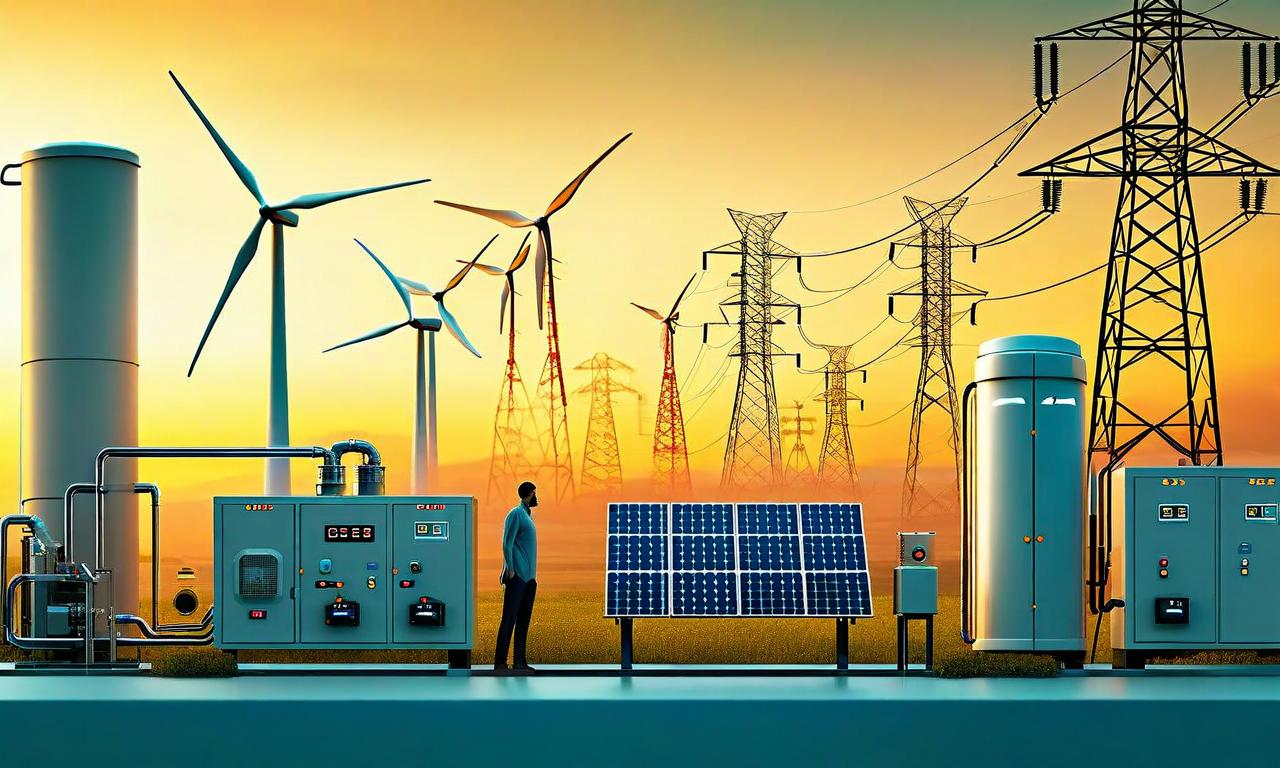
*this image is generated using AI for illustrative purposes only.

A federal judge has delivered a significant legal blow to the Trump administration's clean energy rollback efforts, ruling that the cancellation of $7.6 billion in clean energy grants was unconstitutional and violated equal protection requirements.

Court Ruling Details

U.S. District Judge Amit Mehta issued a 17-page opinion Monday declaring the Trump administration's actions illegal after it canceled grants for clean energy projects in 16 states that voted for Democrat Kamala Harris in the 2024 election. The judge found that the administration violated the Constitution's equal protection requirements through its targeting strategy.

"Defendants freely admit that they made grant-termination decisions primarily — if not exclusively — based on whether the awardee resided in a state whose citizens voted for President Trump in 2024," Mehta wrote in his opinion. The administration offered no explanation for how their "purposeful targeting of grant recipients based on their electoral support for Trump — or lack of it — rationally advances their stated government interest," the judge added.

Affected Projects and States

The canceled grants supported hundreds of clean energy projects across multiple sectors, including battery plants, hydrogen technology projects, upgrades to the electric grid, and efforts to capture carbon dioxide emissions. All 16 targeted states had supported Harris in the election.

State Category Details
Affected States California, Colorado, Connecticut, Delaware, Hawaii, Illinois, Maryland, Massachusetts, Minnesota, New Hampshire, New Jersey, New Mexico, New York, Oregon, Vermont, Washington
Major Cuts Up to ₹1.2 billion for California's hydrogen hub, up to ₹1 billion for Pacific Northwest hydrogen project
Spared Projects Texas hydrogen project, three-state project in West Virginia, Ohio, and Pennsylvania

Administration's Defense

The Energy Department defended its decision, stating the projects were terminated after a review determined they did not adequately advance the nation's energy needs or were not economically viable. Russell Vought, the White House budget director, said on social media that "the Left's climate agenda is being canceled."

Energy Department spokesman Ben Dietderich said officials disagree with the judge's decision, stating: "Officials stand by our review process, which evaluated these awards individually and determined they did not meet the standards necessary to justify the continued spending of taxpayer dollars. The American people deserve a government that is accountable and responsible in managing taxpayer funds."

Legal Challenge and Response

The city of St. Paul and a coalition of environmental groups filed the lawsuit after losing their grants. Vickie Patton, general counsel for the Environmental Defense Fund, said the court ruling "recognized that the Trump Department of Energy vindictively canceled projects for clean affordable energy that just happened to be in states disfavored by the Trump administration."

Anne Evens, CEO of Elevate Energy, one of the groups that lost funding, said the court ruling would help keep clean energy affordable and create jobs. "Affordable energy should be a reality for everyone, and the restoration of these grants is an important step toward making that possible," she said.

The ruling represents the second legal setback for the administration's clean energy rollback efforts in a single day, as a separate federal judge also ruled that work on a major offshore wind farm for Rhode Island and Connecticut can resume.

Source: https://www.cnbctv18.com/world/us-federal-judge-rules-trump-administration-illegally-cut-7-6-billion-clean-energy-grants-19819935.htm

like16
dislike
Explore Other Articles