
 NewsTrump Organization Launches $10 Billion Saudi Arabia Real Estate Projects Amid Market Reforms
Trump Organization Launches $10 Billion Saudi Arabia Real Estate Projects Amid Market Reforms


The Trump Organization and Dar Global have launched $10 billion worth of real estate projects in Saudi Arabia, including Trump International Golf Club Wadi Safar in Riyadh and Trump Plaza in Jeddah. The sales launches coincide with new Saudi regulations making foreign property investment more accessible, supporting Crown Prince Mohammed bin Salman's Vision 2030 diversification agenda. The partnership extends across multiple Middle East markets and represents a strategic positioning within Saudi Arabia's evolving regulatory environment designed to attract international capital.

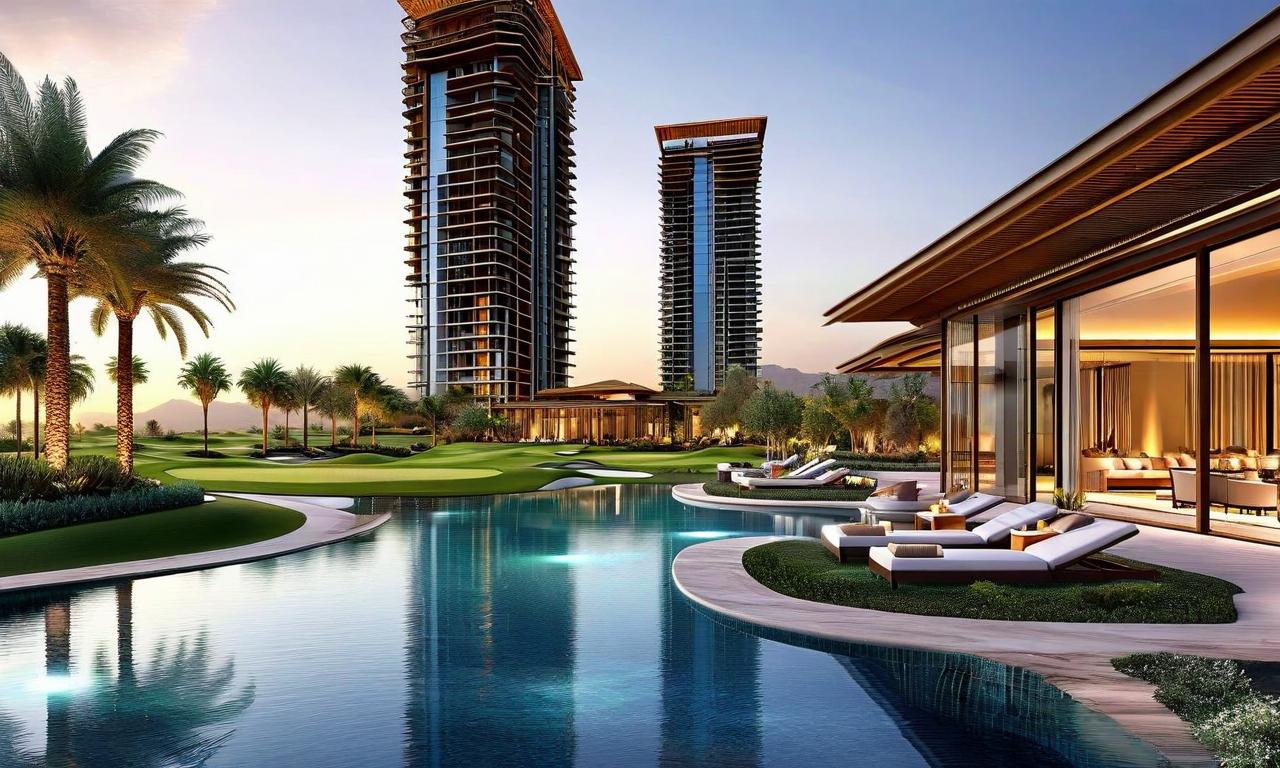

*this image is generated using AI for illustrative purposes only.
The Trump Organization and luxury developer Dar Global Plc have launched sales for real estate projects in Saudi Arabia valued at $10 billion, capitalizing on new regulations that will make foreign investment more accessible. The strategic timing aligns with Saudi Arabia's regulatory reforms designed to attract international capital and support Crown Prince Mohammed bin Salman's Vision 2030 diversification agenda.
Major Project Launches
The firms have agreed to develop Trump International Golf Club Wadi Safar in Riyadh, a comprehensive gated community featuring multiple luxury components. Sales for this project, alongside the $1 billion Trump Plaza in Jeddah, commenced this week to coincide with looser foreign property ownership laws expected to take effect this month.
| Project: | Details |
|---|---|
| Trump International Golf Club Wadi Safar: | Gated community in Riyadh |
| Key Features: | Trump-branded hotel, golf course, premium residences |
| Trump Plaza Jeddah: | $1 billion development |
| Total Portfolio Value: | $10 billion |
"We expect a lot of demand locally, but we also have expectations of major interest from international investors because they see this market is just opening up," said Ziad El Chaar, Chief Executive Officer of Dar Global. "People want to join from the beginning."
Regulatory Environment and Market Access
Saudi Arabia's regulatory reforms represent a significant shift in foreign investment accessibility. The kingdom plans to allow non-Saudis to purchase a wider range of real estate assets, including properties in the holy cities of Mecca and Madinah. These changes are part of broader economic liberalization efforts that include opening the Saudi stock market to all investors and easing rules around alcohol consumption to make the kingdom more attractive to foreign investors.
Both the Trump Organization and Dar Global, the London-listed unit of Saudi developer Dar Al Arkan, have identified these reforms as critical factors in accelerating their partnership. The regulatory environment has created opportunities for expanded development across multiple Saudi cities.
Expanded Partnership Portfolio
The collaboration extends beyond the current launches, with plans for a second development in Riyadh and an ongoing Trump Tower project in Jeddah. Neither company has ruled out potential investments in Saudi Arabia's holy cities under the new property laws. The partnership also encompasses developments across the broader Middle East region, including projects in Oman and Qatar.
In the United Arab Emirates, the firms are developing the Trump International Hotel & Tower in Dubai, which will feature the world's highest swimming pool. Eric Trump, executive vice president of the Trump Organization, indicated potential expansion to Abu Dhabi, stating, "I'd say there is no area on Earth that has a stronger real estate environment right now than the Gulf."
Strategic Business Structure
The Trump Organization's international business operations continue under a trust structure managed by Eric Trump and Donald Trump Jr. This arrangement has been maintained at the start of each presidential term, though it operates as a non-blind trust. The business empire's expansion efforts have raised discussions about potential conflicts of interest given the political landscape.
The partnership between the Trump Organization and Dar Global represents a significant commitment to the Saudi market transformation, with both companies positioning themselves to benefit from the kingdom's economic diversification initiatives and the anticipated influx of foreign capital into the real estate sector.
 16
16






 Access 50+ Readymade Screeners
  Use 200+ Custom Filters
  Get Full Market Insights





