Trump Highlights US Oil Production Leadership While Prioritizing Iran Nuclear Prevention

0 min read     Updated on 12 Mar 2026, 06:49 PM
scanx
Reviewed by
Shraddha JScanX News Team
Overview

Trump stated that the US is the world's biggest oil producer and benefits from rising prices, but emphasized that his top priority is preventing Iran from acquiring nuclear weapons to protect the world, reflecting a balance between economic interests and security concerns.


34867195

*this image is generated using AI for illustrative purposes only.

Trump has made significant statements regarding the United States' energy position and national security priorities, highlighting the country's dominant role in global oil production while emphasizing critical security concerns.

US Oil Production Leadership

According to Trump's statements, the United States holds the position as the world's biggest oil producer. He noted that this leadership position allows the country to benefit from rising oil prices, suggesting that higher energy costs work in favor of American economic interests given the nation's substantial production capacity.

Nuclear Security Priority

Despite the economic advantages of oil price increases, Trump emphasized that his primary focus remains on preventing Iran from gaining nuclear weapons capabilities. He framed this objective as essential for protecting the world, indicating that nuclear proliferation concerns take precedence over economic considerations in his policy priorities.

Strategic Balance

Trump's comments reflect a strategic perspective that balances economic opportunities in the energy sector with national security imperatives. While acknowledging the financial benefits that rising oil prices bring to the US as a major producer, he maintains that preventing nuclear weapons development represents a more critical global security issue that requires immediate attention and action.

like19
dislike

U.S. 301 Trade Investigation Meets South Korea's Expectations, Official Confirms

1 min read     Updated on 12 Mar 2026, 07:38 AM
scanx
Reviewed by
Anirudha BScanX News Team
Overview

The U.S. has launched a comprehensive Section 301 investigation into 16 major trading partners over structural excess capacity in manufacturing, with South Korea confirming the probe aligns with their expectations. The investigation targets key economies including China, EU, Mexico, Vietnam, India, and Japan, while a separate probe into forced labor goods may cover 60 countries.

34799972

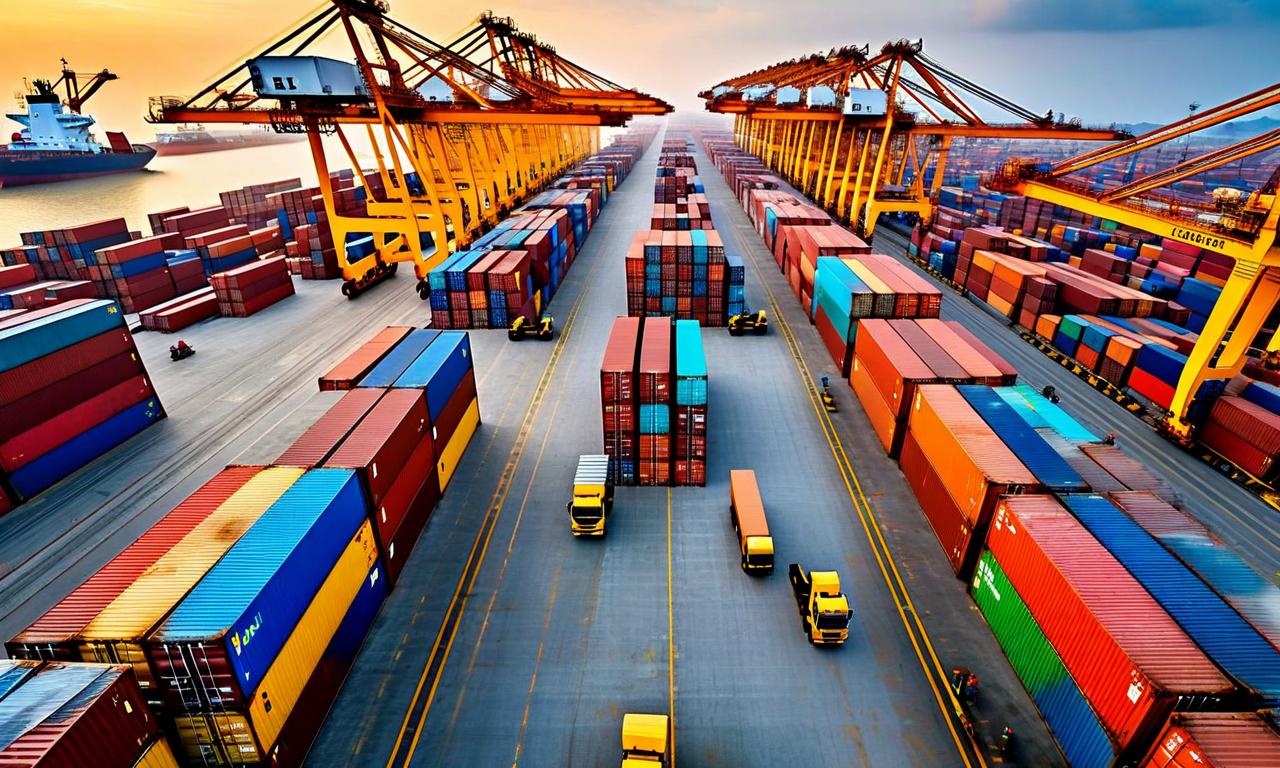
*this image is generated using AI for illustrative purposes only.

The U.S. Trade Representative has announced a comprehensive Section 301 investigation targeting 16 major trading partners over structural excess capacity in manufacturing sectors, with South Korean officials confirming the probe aligns with their expectations. USTR Greer confirmed the investigation will focus on China, European Union, Mexico, Vietnam, India, and Japan among other key trading partners.

South Korea's Response to Investigation

A South Korean official has stated that the U.S. Section 301 trade investigation is proceeding in line with their expectations. This response indicates that South Korea was prepared for the scope and nature of the current trade enforcement action targeting manufacturing excess capacity across multiple countries.

Major Investigation Targeting Key Partners

The Section 301 investigation represents one of the most extensive trade enforcement actions in recent years, covering major economies across multiple regions. The probe will examine structural excess capacity issues in manufacturing sectors across the targeted countries.

Investigation Details: Scope
Legal Framework: Section 301 Trade Act
Target Countries: 16 trading partners
Key Partners: China, EU, Mexico, Vietnam, India, Japan
Focus Area: Manufacturing excess capacity
Additional Probe: Forced labor goods (60 countries)
South Korea Position: In line with expectations

Forced Labor Investigation Expected

UST Greer indicated that another Section 301 investigation is expected to target goods made with forced labor, potentially covering approximately 60 countries. This separate probe would significantly broaden the scope of U.S. trade enforcement actions beyond the current manufacturing capacity investigation.

Legal Framework and Consultation Process

The investigations are being conducted under Section 301 of the 1974 Trade Act, which provides the legal mechanism for examining foreign trade practices and implementing appropriate responses. The USTR has confirmed that trading partners have been consulted before implementing these investigative measures, maintaining a diplomatic component to the investigation process.

Manufacturing Sector Focus and Implementation

The investigation specifically targets structural excess capacity in manufacturing sectors, addressing concerns about unfair competitive advantages and market distortions. The Section 301 process involves consultations and public hearings before final determinations, with potential for responsive actions including higher U.S. tariffs based on investigation findings.

like18
dislike