Trump Determines Need for Trade Negotiations to Adjust PCMDPS Imports

0 min read     Updated on 15 Jan 2026, 03:11 AM
scanx
Reviewed by
Shraddha JScanX News Team
Overview

The White House announced Trump's determination to enter negotiations with trading partners to adjust imports of PCMDPS, indicating a diplomatic approach to addressing current import arrangements. This decision suggests potential modifications to trade policies for petroleum, coal, metal, and other durable products through structured bilateral or multilateral discussions rather than unilateral action.

29972486

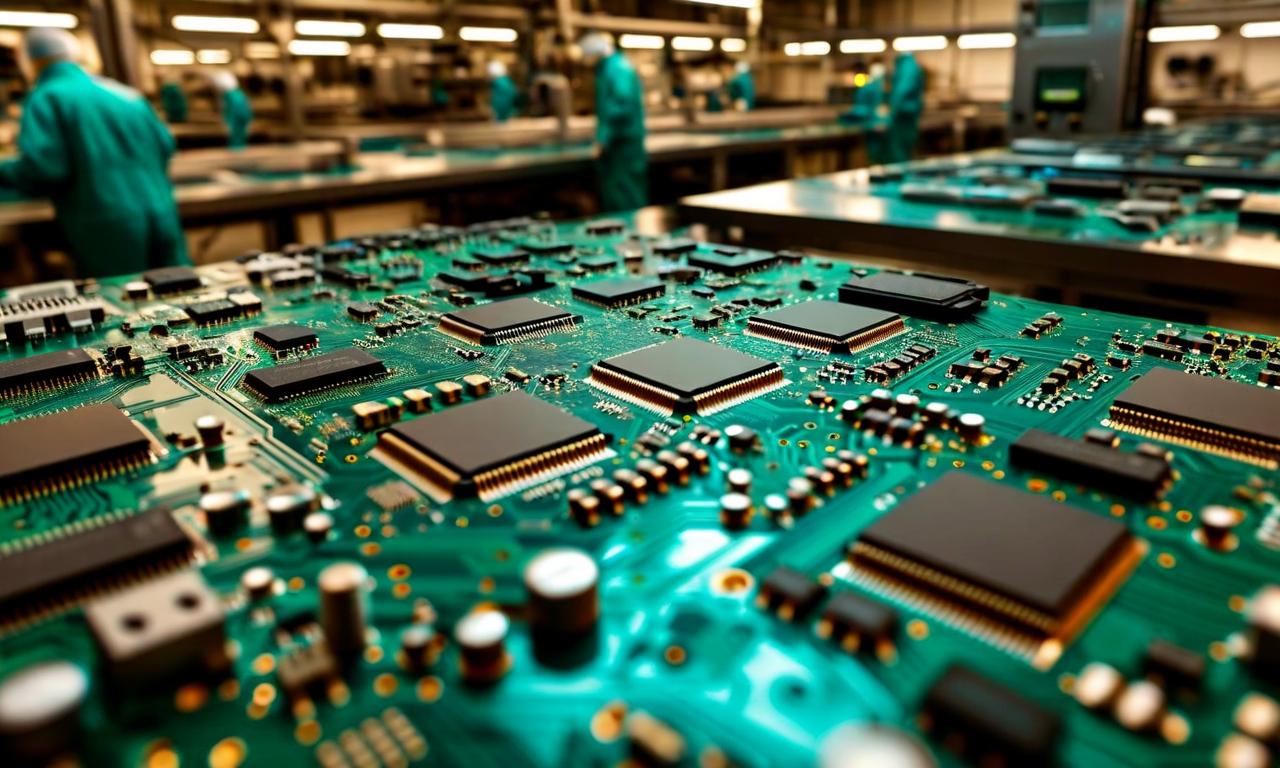
*this image is generated using AI for illustrative purposes only.

The White House has announced a significant trade policy development, with Trump determining that negotiations with trading partners are necessary to adjust imports of PCMDPS (Petroleum, Coal, Metal, and other Durable Products). This decision marks a strategic approach to addressing current import arrangements through diplomatic channels.

Trade Policy Initiative

The announcement indicates that the administration has identified specific concerns regarding current PCMDPS import levels or terms that require adjustment through negotiations. Rather than implementing immediate unilateral measures, the decision emphasizes a collaborative approach with trading partners to address these import-related issues.

Negotiation Framework

The determination to enter negotiations suggests that the administration seeks to modify existing trade arrangements for petroleum, coal, metal, and other durable products through structured discussions. This approach allows for potential bilateral or multilateral agreements that could reshape import policies while maintaining diplomatic relationships with key trading partners.

Policy Implications

The focus on PCMDPS imports highlights the strategic importance of these product categories in current trade policy considerations. The decision to pursue negotiations rather than immediate regulatory changes indicates a measured approach to trade policy implementation, potentially allowing for more comprehensive and mutually beneficial outcomes for all parties involved.

like16
dislike

US Imposes 25% Tariff on Advanced Computing Chips Including NVIDIA H200 and AMD MI325X

1 min read     Updated on 15 Jan 2026, 03:11 AM
scanx
Reviewed by
Shriram SScanX News Team
Overview

The White House has implemented a 25% tariff on certain advanced computing chips, specifically targeting NVIDIA H200 and AMD MI325X processors. This trade policy measure affects high-performance semiconductors used in AI and advanced computing applications, potentially impacting costs for data centers, research institutions, and technology companies utilizing these advanced processors.

29972466

*this image is generated using AI for illustrative purposes only.

The White House has announced the implementation of a 25% tariff on certain advanced computing chips, marking a significant development in semiconductor trade policy. The tariff specifically targets high-performance processors that are crucial for artificial intelligence and advanced computing applications.

Targeted Products

The tariff affects several key products in the advanced semiconductor market:

Product Category: Specific Models
NVIDIA Processors: H200
AMD Processors: MI325X
Classification: Advanced Computing Chips
Tariff Rate: 25%

Market Impact

The affected processors represent some of the most sophisticated semiconductor technology currently available in the market. NVIDIA's H200 and AMD's MI325X are both designed for high-performance computing applications, including artificial intelligence workloads, data center operations, and advanced research computing.

These chips are typically utilized by:

  • Data center operators
  • AI research institutions
  • Cloud computing providers
  • High-performance computing facilities
  • Technology companies developing AI applications

Policy Implementation

The 25% tariff rate represents a substantial cost increase for importers and end-users of these advanced computing technologies. The White House's decision to target these specific chip categories reflects the strategic importance of advanced semiconductor technology in current trade policy considerations.

The tariff applies to certain advanced computing chips, with the NVIDIA H200 and AMD MI325X specifically mentioned as examples of the affected products. This suggests that other similar high-performance processors may also fall under the same tariff classification.

like20
dislike
Explore Other Articles