

Trump Says Iran Retains Missiles as Denuclearisation Talks Continue


Trump asserted that Iran still has some missiles but the U.S. could eliminate them if necessary, while reaffirming that the Iran situation is about denuclearisation, not war. Indirect talks in Doha through Qatari mediators showed positive progress on a 14-point memorandum of understanding signed on June 17, even as Tehran declined direct negotiations. Oil prices slipped, with WTI falling 1.17% to $67.78 and Brent declining 0.99% to $70.86, amid hopes of avoided supply disruptions.


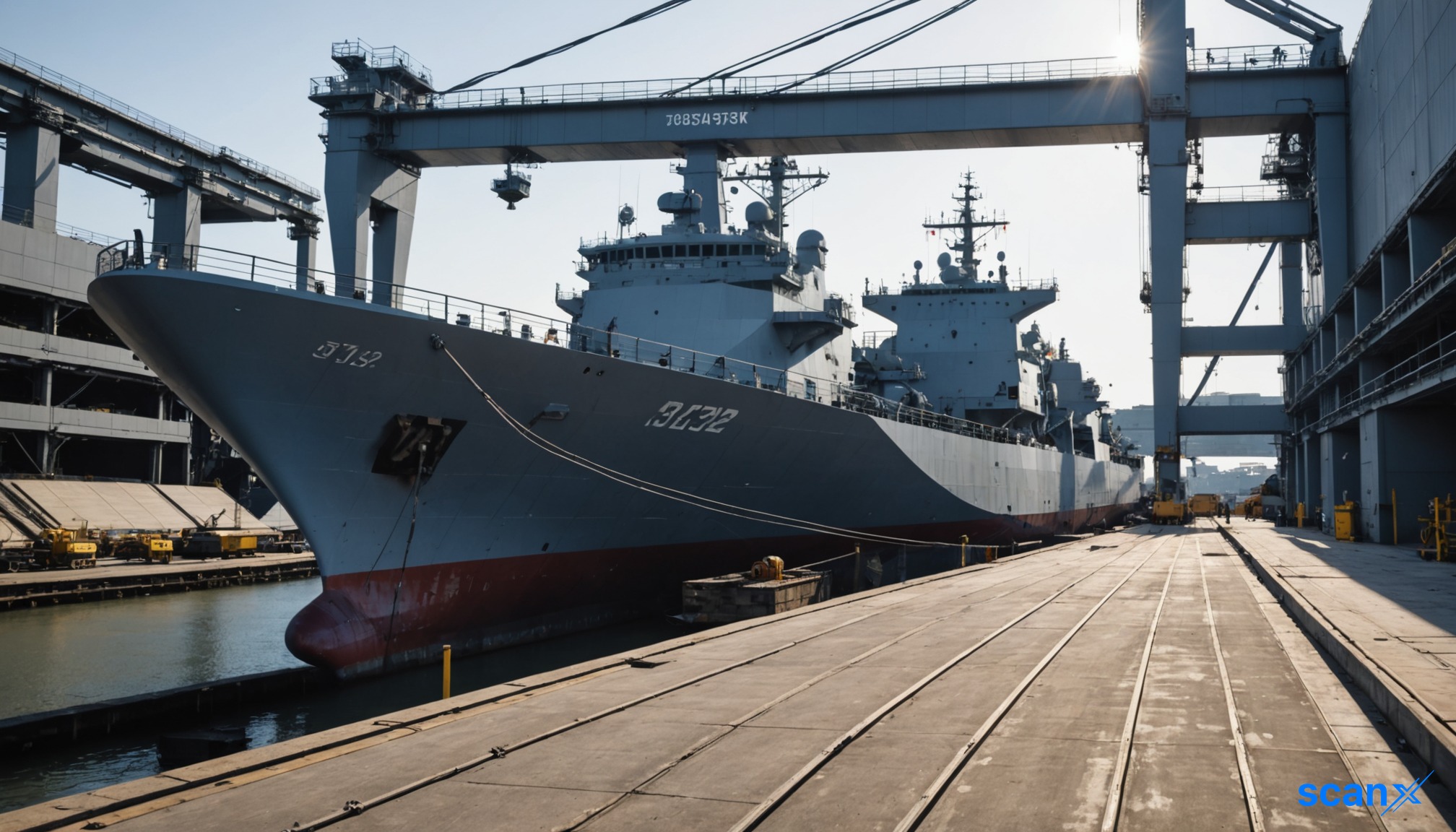
*this image is generated using AI for illustrative purposes only.
President Donald Trump stated that Iran still has some missiles remaining, but asserted that the United States could eliminate them if necessary. The remarks came alongside his earlier position that the ongoing situation with Iran is fundamentally about denuclearisation and not war, clarifying that the U.S. approach remains focused on eliminating nuclear threats. Jared Kushner and U.S. special envoy Steve Witkoff arrived in Doha, Qatar, for indirect talks with Iranian officials through Qatari mediators. While Trump expressed confidence in the diplomatic process, Tehran reportedly declined direct negotiations with U.S. envoys, maintaining a cautious stance.
Market Reaction to Diplomatic Developments
Trump's comments and the broader diplomatic momentum contributed to a decline in energy commodities, as hopes for avoided disruptions to global crude supplies grew. The following table summarises key commodity and currency movements:
| Instrument | Value | % Change |
|---|---|---|
| WTI Crude | $67.78/barrel | -1.17% |
| Brent Crude | $70.86/barrel | -0.99% |
| Natural Gas Futures | $3.195/MMBtu | -0.78% |
| U.S. Dollar Index | 101.402 | — |
Global Equity Performance
Asian markets experienced significant volatility during the period, while U.S. stock futures showed mixed results. The following table summarises key index movements:
| Index | Value | Change | % Change |
|---|---|---|---|
| KOSPI | 7,875.59 | — | -5.15% |
| Nikkei 225 | 69,318.16 | — | -1.64% |
| Dow Futures | 52,625.00 | -43.00 | -0.08% |
| S&P 500 Futures | 7,548.25 | +4.75 | +0.06% |
| Nasdaq 100 Futures | 30,187.25 | +93.00 | +0.31% |
Diplomatic Context and Recent Tensions
The diplomatic effort follows renewed military exchanges that briefly threatened a 60-day truce between Washington and Tehran. Iran reportedly targeted two commercial vessels, prompting U.S. retaliatory strikes. The two countries had signed a 14-point memorandum of understanding on June 17 aimed at reducing hostilities and safeguarding energy shipments through the Strait of Hormuz, a strategic waterway that carries roughly 20% of the world's oil trade.
Qatar's Foreign Ministry spokesperson, Majed al-Ansari, reported that separate indirect meetings in Doha made "positive progress" on issues related to the memorandum of understanding. He noted that the discussions built on a previous high-level meeting in Switzerland, with both sides agreeing to resume talks at the earliest possible time following funeral ceremonies for Iran's former supreme leader. Iranian state media also reported a foreign container ship ran aground in the Strait of Hormuz after travelling through an unapproved route, though no disruption to oil flows was reported.

Will the indirect talks in Doha lead to a formal extension of the 60-day truce beyond its current expiration?
How might sustained declines in oil prices impact OPEC+ production decisions heading into their next meeting?
Could Tehran's refusal to engage in direct negotiations stall progress on the 14-point memorandum of understanding?
 20
20






 Access 50+ Readymade Screeners
  Use 200+ Custom Filters
  Get Full Market Insights





