Trump Attributes 30% Power Cost Rise to Biden Policies, Calls for Tech Giants to Self-Fund Energy Needs

1 min read     Updated on 13 Jan 2026, 05:20 AM
scanx
Reviewed by
Anirudha BScanX News Team
Overview

Trump has blamed Biden-era policies for causing power costs to rise by over 30%, according to a Truth Social statement. He called for technology giants to fund their own energy infrastructure rather than relying on existing systems. Trump framed this demand as necessary for consumer protection and national security, arguing that tech companies should not burden general consumers with their substantial energy requirements.

29807404

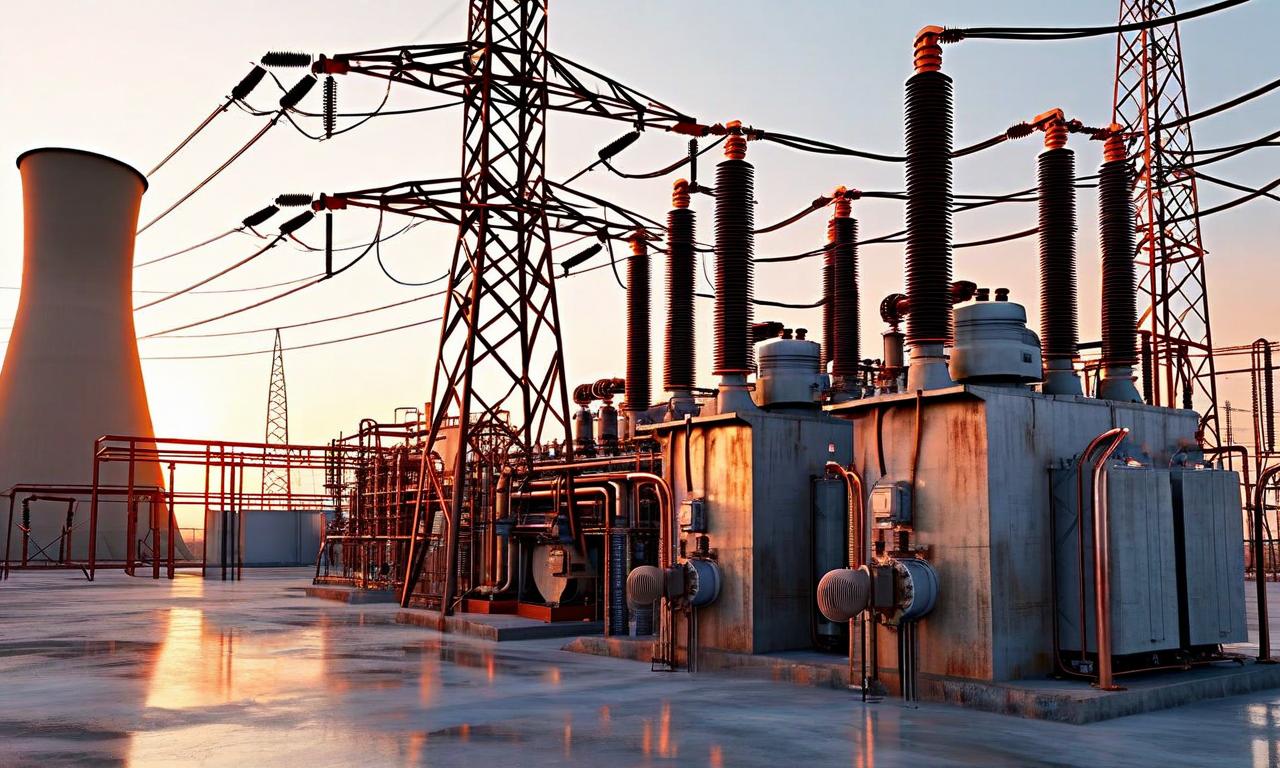
*this image is generated using AI for illustrative purposes only.

Trump has attributed a significant increase in power costs to policies implemented during the Biden administration, claiming costs have risen by over 30%. The statement was made via Truth Social, Trump's social media platform.

Energy Cost Concerns

According to Trump's statement, power costs have experienced substantial increases under Biden-era policies. The following details were highlighted:

Issue: Details
Cost Increase: Over 30% rise in power costs
Attribution: Biden-era policies
Platform: Truth Social announcement

Technology Sector Responsibility

Trump has called for major technology companies to take responsibility for their energy consumption by funding their own energy infrastructure. This demand stems from concerns about the impact of tech giants' substantial energy requirements on existing power systems.

The statement emphasizes that technology companies should not rely on existing energy infrastructure that serves general consumers. Instead, these companies should develop and fund their own energy solutions to meet their operational demands.

Consumer and Security Implications

The statement frames this issue as both a consumer protection and national security matter. Trump argues that requiring tech giants to fund their own energy needs would:

  • Protect consumers from bearing the cost burden of corporate energy demands
  • Address national security concerns related to energy infrastructure
  • Reduce strain on existing power systems serving residential and smaller commercial users

Policy Debate Context

This statement adds to ongoing political discourse regarding energy policy and corporate responsibility in the technology sector. The criticism of Biden-era policies reflects broader partisan disagreements over energy regulation and infrastructure development approaches.

like18
dislike

Trump Announces 25% Tariff on Countries Doing Business with Iran, Effective Immediately

2 min read     Updated on 13 Jan 2026, 05:02 AM
scanx
Reviewed by
Anirudha BScanX News Team
Overview

US President Donald Trump announced immediate 25% tariffs on any country doing business with Iran via Truth Social on Monday. The comprehensive tariff covers all business with the United States and is described as "final and conclusive," though no specific countries were named. US stock futures showed minimal reaction with Dow futures down around 70 points, while the announcement precedes a Wednesday Supreme Court ruling on Trump's tariff legal framework.

29806335

*this image is generated using AI for illustrative purposes only.

US President Donald Trump announced on Monday that any country conducting business with Iran will face immediate 25% tariffs on all trade with the United States. The directive was posted on Trump's Truth Social platform, marking another significant trade policy development in his administration.

Tariff Details and Implementation

The tariff announcement covers comprehensive trade restrictions, as outlined in Trump's social media post:

Parameter: Details
Tariff Rate: 25%
Scope: Any country doing business with Iran
Coverage: All business with the United States
Effective Date: Immediately
Status: "Final and conclusive"

Trump emphasized the definitive nature of his directive, stating the order is "final and conclusive." However, further details about the tariff's implementation and enforcement mechanisms remain unclear. The President did not explicitly name any specific countries that would be subject to these tariffs.

Market Response and Official Reactions

US stock futures demonstrated minimal reaction to Trump's latest tariff threat. The Dow futures were trading with losses of approximately 70 points following the announcement. White House officials declined to respond to CNBC's queries seeking additional clarification on the tariff policy.

Legal Framework and Timing

The tariff announcement comes at a critical juncture, with the Supreme Court scheduled to rule on the legal framework surrounding Trump's tariff policies. The Court has designated Wednesday as the next "opinion day" for potential rulings on whether Trump's tariffs comply with existing legal structures.

Iran's Trading Partners and Regional Context

Iran maintains business relationships with several countries, most notably China, which was the top buyer of Iranian crude oil globally. Independent refiners were increasing their Iranian oil intake as of December, highlighting the potential scope of countries that could be affected by the new tariff policy.

The announcement occurs amid ongoing anti-government protests in Iran, which Trump has publicly supported. Trump told reporters over the weekend that the US is examining "very strong options" regarding Iran, stating: "We're looking at it very seriously. The military is looking at it, and we're looking at some very strong options. I'm getting an hourly report and we're going to make a determination."

Diplomatic Developments

Despite the escalating tensions, diplomatic channels remain active. Iranian Foreign Minister Abbas Araghchi has opened communication lines with Trump's Middle East envoy, Steve Witkoff, according to a spokesman from Iran's foreign ministry on Monday.

like18
dislike
Explore Other Articles