

Trump Announces US Naval Deployment to Middle East Amid Iran Tensions


President Trump announced deployment of US naval forces including USS Abraham Lincoln toward Iran on January 22, amid tensions over Iranian protest crackdowns that killed over 4,500 people and nuclear program concerns. Trump claimed his threats prevented 840 executions and warned against nuclear program resumption following June strikes, while Iran has 440.90 kg of unverified enriched uranium.

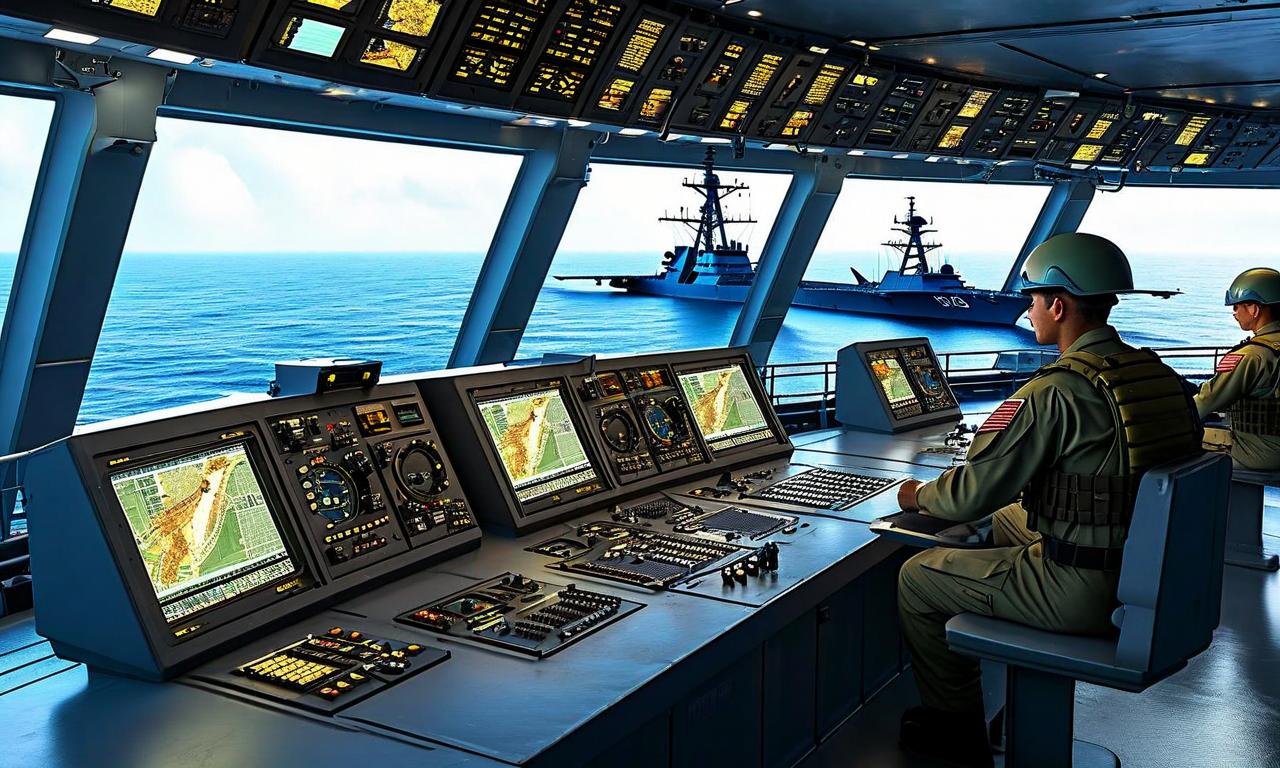

*this image is generated using AI for illustrative purposes only.
President Trump announced on January 22 that the United States is deploying significant naval forces toward Iran amid escalating tensions over the Iranian government's crackdown on protesters and concerns about the country's nuclear program. Speaking to reporters aboard Air Force One while returning from Davos, Switzerland, Trump described the deployment as an "armada" while expressing hope that military action would not be necessary.
Naval Deployment Details
US officials, speaking anonymously, confirmed that multiple warships are heading to the Middle East in the coming days. The deployment includes key naval assets and defensive systems designed to protect American forces in the region.
| Asset Type: | Details |
|---|---|
| Aircraft Carrier: | USS Abraham Lincoln |
| Support Vessels: | Several guided-missile destroyers |
| Additional Systems: | Air-defense systems under consideration |
| Timeline: | Arrival expected in coming days |
"We have a lot of ships going that direction, just in case …I'd rather not see anything happen, but we're watching them very closely," Trump told reporters. The warships began moving from the Asia-Pacific region last week as tensions between the two nations intensified.
Iran Protest Crisis
The naval deployment follows widespread protests in Iran that began on December 28, 2025, starting as economic demonstrations in Tehran's Grand Bazaar before spreading nationwide. The Iranian government's response has been severe, resulting in significant casualties.
| Casualty Data: | Figures |
|---|---|
| Total Verified Deaths: | 4,519 (HRANA rights group) |
| Confirmed Protesters Killed: | 4,251 |
| Additional Deaths Under Review: | 9,049 |
| Iranian Official Count: | Over 5,000 total deaths |
| Security Forces Killed: | 500 |
Trump claimed his threats prevented Iran from executing prisoners, stating the country cancelled nearly 840 planned hangings. "I said: 'If you hang those people, you're going to be hit harder than you've ever been hit. It'll make what we did to your Iran nuclear program look like peanuts'," Trump said, calling the cancellation "a good sign."
Nuclear Program Concerns
The deployment also relates to ongoing concerns about Iran's nuclear capabilities following US strikes against Iranian nuclear facilities in June. Trump warned that any attempt to resume nuclear activities would trigger additional military action.
| Nuclear Status: | Details |
|---|---|
| Uranium Stock: | 440.90 kg enriched to 60% purity |
| Bomb Potential: | Sufficient for 10 nuclear bombs (IAEA estimate) |
| Last Verification: | Seven months ago |
| Required Monitoring: | Monthly verification recommended |
"If they try to do it again, they have to go to another area. We'll hit them there too, just as easily," Trump stated. Iran must report to the International Atomic Energy Agency regarding the sites struck by the United States and the nuclear material previously located there.
Strategic Implications
The current deployment expands Trump's military options in the region, providing both defensive capabilities for US forces and potential offensive options if tensions escalate further. The US military previously conducted a major buildup in 2025 ahead of the June strikes against Iran's nuclear program, demonstrating the administration's willingness to use military force when deemed necessary.
 18
18







 Create Custom Screeners
  Access 200+ Pre-built Filters
  Use 50+ Readymade Screener





