

US-Taiwan Trade Deal: $250 Billion Investment Secures 15% Tariff Rate


The United States and Taiwan have concluded a significant trade agreement that reduces tariffs from 20% to 15% in exchange for Taiwan's commitment to invest $250 billion in US semiconductor, energy, and AI sectors. The deal includes TSMC building four additional chip plants in Arizona and provides preferential tariff treatment for various Taiwanese products, with pharmaceuticals receiving zero-tariff access.

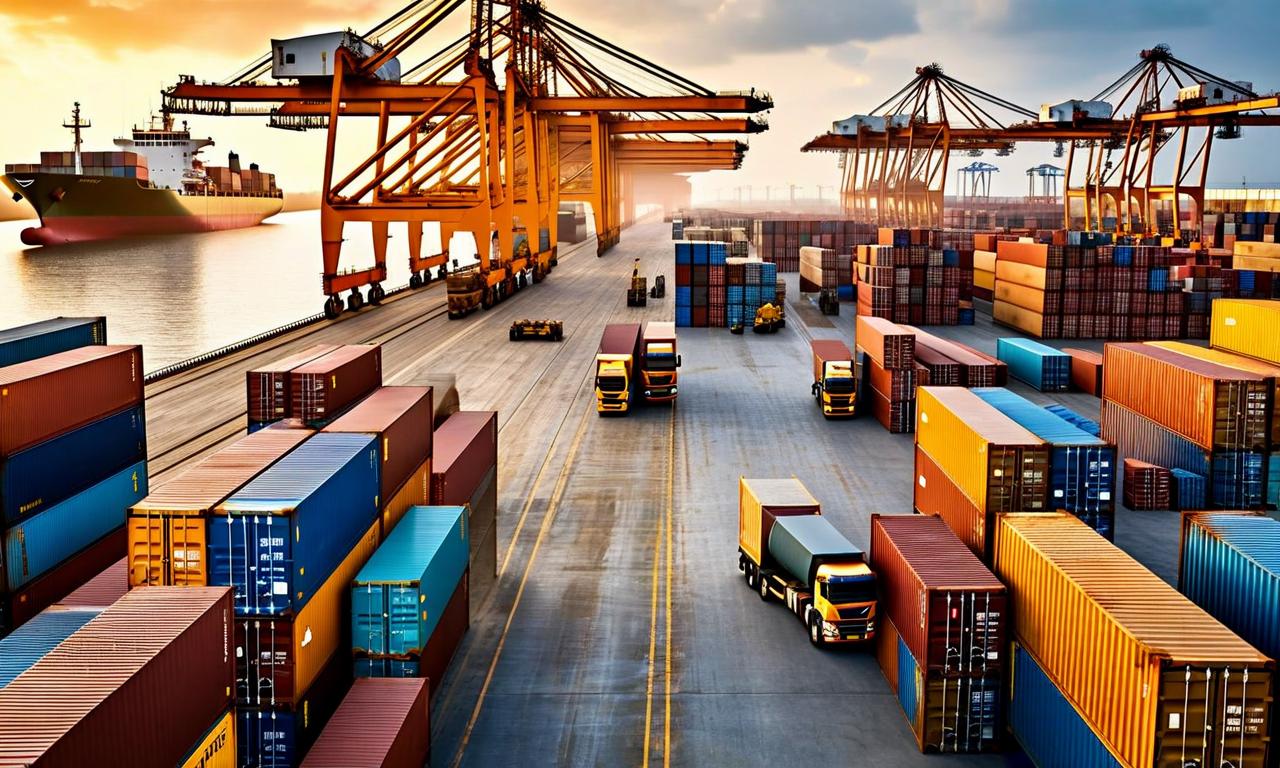

*this image is generated using AI for illustrative purposes only.
The United States has signed a comprehensive trade deal with Taiwan, reducing tariffs to 15% from the previously announced 20% rate in exchange for a substantial $250 billion investment commitment from Taiwan's technology sector. The agreement positions Taiwan on equal footing with Japan and South Korea, which maintain similar tariff rates.
Investment Commitments and Semiconductor Expansion
Taiwan's technology industry has committed to invest at least $250 billion directly in the United States to expand advanced semiconductors, energy, and AI cooperation. This substantial commitment includes the previous $165 billion pledged by Taiwan Semiconductor Manufacturing Company (TSMC), the world's largest chip manufacturer.
| Deal Components: | Details |
|---|---|
| Direct Investment: | $250 billion |
| Credit Guarantees: | $250 billion |
| TSMC Previous Commitment: | $165 billion |
| New Tariff Rate: | 15% |
| Previous Rate: | 20% |
Additionally, Taiwan has agreed to provide $250 billion in credit guarantees for further investment in the US semiconductor supply chain. Sources indicate the deal requires TSMC to build at least four additional chip manufacturing plants in Arizona, supplementing the six factories and two advanced packaging facilities already promised.
Tariff Structure and Trade Benefits
The new 15% tariff rate will not stack on top of existing most-favoured-nation duties, according to a statement from the Taiwanese cabinet. Commerce Secretary Howard Lutnick revealed that Taiwan agreed to the investment terms after being threatened with tariff levels of up to 100%.
"If they don't build in America the tariff's likely to be 100%," Lutnick told CNBC. "If they commit to build in America, they can bring in their semiconductors during the time they're building in America without a tariff."
Sector-Specific Tariff Arrangements
Under the agreement, the US has capped tariffs on several Taiwanese product categories at the 15% rate, including auto parts, timber, lumber, and wood derivative products. Notably, generic pharmaceuticals and ingredients manufactured in Taiwan will attract zero tariff, providing significant market access advantages.
| Product Categories: | Tariff Rate |
|---|---|
| Auto Parts: | 15% (capped) |
| Timber & Lumber: | 15% (capped) |
| Wood Derivatives: | 15% (capped) |
| Generic Pharma: | 0% |
| Pharma Ingredients: | 0% |
Strategic Context and Timing
The trade deal emerges amid ongoing Taiwan-China tensions and precedes Trump's planned visit to China later in April. The agreement also comes as the Supreme Court examines the legality of the US President's tariff program, adding significance to this bilateral arrangement that strengthens US-Taiwan economic ties while addressing semiconductor supply chain security concerns.
 18
18






 Access Market Heat-map & Insights
  Create, Save & Share your Screener
  Use 200+ Screening Filters





