
 NewsTrade Ministers Convene to Address Global Trade Challenges Before WTO Ministerial Conference
Trade Ministers Convene to Address Global Trade Challenges Before WTO Ministerial Conference


Trade ministers from 21 countries met with WTO Director General Ngozi Okonjo-Iweala during the WEF Annual Meeting to prepare for the 14th WTO Ministerial Conference in Yaounde, Cameroon, scheduled for late March. Discussions focused on finding compromises on the Investment Facilitation for Development Agreement and e-commerce moratorium, while addressing WTO reform priorities. Switzerland, hosting the meeting, emphasized its commitment to rules-based multilateral trading systems and pledged continued support for WTO reform to maintain stable international trade conditions.

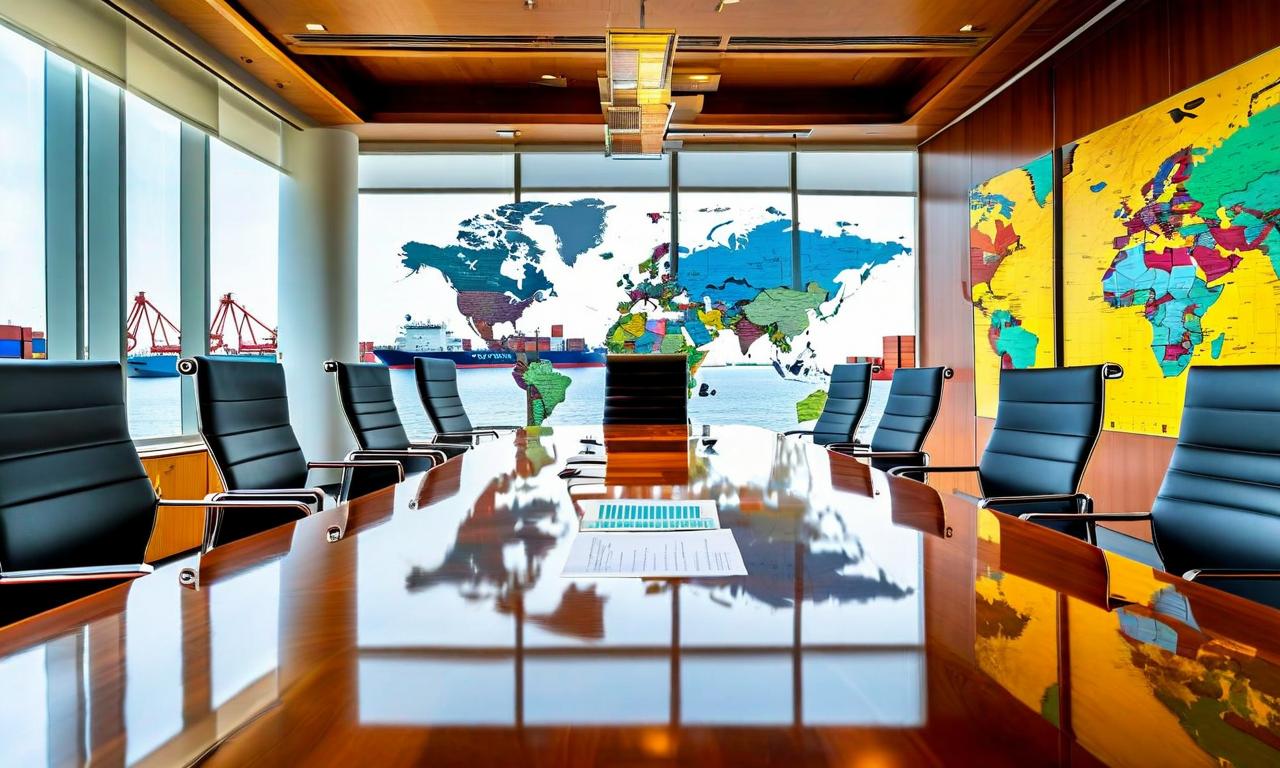

*this image is generated using AI for illustrative purposes only.
Trade ministers from 21 countries convened with World Trade Organization Director General Ngozi Okonjo-Iweala to address pressing global trade challenges ahead of the 14th WTO Ministerial Conference. The informal ministerial gathering took place during the World Economic Forum Annual Meeting, with discussions centered on the WTO's role in tackling contemporary trade policy challenges.
Key Discussion Areas
The meeting focused on several critical topics requiring resolution before the upcoming conference:
| Topic Area | Details |
|---|---|
| Investment Facilitation | Development Agreement negotiations |
| E-commerce | Moratorium discussions |
| WTO Reform | Priority areas for organizational improvement |
| Global Trade Policy | Addressing current challenges |
Ministers engaged in open dialogue to explore potential compromises on issues nearing consensus. The Swiss government, which hosted the meeting, emphasized that these discussions provided a platform for finding common ground on negotiation topics vital for the Cameroon conference.
Switzerland's Position on Multilateral Trade
Switzerland reaffirmed its commitment to maintaining a rules-based multilateral trading system amid international tensions challenging established norms. As an open economy integrated into global value chains, Switzerland relies heavily on stable trade rules and predictable trading conditions.
The Swiss government highlighted several key positions:
- Continued support for multilateral approach to trade
- Commitment to WTO reform initiatives
- Emphasis on rules-based international trade framework
- Recognition of WTO's central role in global commerce
Upcoming Conference Details
The 14th WTO Ministerial Conference is scheduled to take place in Yaounde, Cameroon in late March. Ministers used this preparatory meeting to share political insights and align on reform priorities crucial for the conference's success.
| Conference Parameter | Details |
|---|---|
| Location | Yaounde, Cameroon |
| Timing | Late March |
| Participants | WTO member countries |
| Focus Areas | Reform and consensus-building |
Reform and Consensus Building
The meeting underscored the critical need for compromise and reform within the WTO framework. Ministers aimed to address pressing trade challenges while reinforcing the organization's pivotal role in global commerce. The discussions reaffirmed the WTO's central importance in managing international trade relations during a period of significant global economic uncertainty.
Switzerland's foreign trade policy approach aligns with maintaining stable and predictable trade conditions through multilateral cooperation. The country pledged ongoing support for WTO reform initiatives designed to strengthen the organization's effectiveness in addressing contemporary trade challenges.
 19
19







 Create Custom Screeners
  Access 200+ Pre-built Filters
  Use 50+ Readymade Screener





