Tesla to Resume Dojo3 Supercomputer Project Following AI5 Chip Design Progress

1 min read     Updated on 19 Jan 2026, 09:53 AM
scanx
Reviewed by
Shriram SScanX News Team
Overview

Tesla CEO Elon Musk announced the company will restart its Dojo3 AI supercomputer project after achieving significant progress on AI5 chip design. The company is actively recruiting engineers for high-volume chip development while partnering with Samsung Electronics under a $16.50 billion agreement for AI6 processor manufacturing. This revival follows the abrupt discontinuation of the original Dojo project last year, which focused on developing in-house AI supercomputing capabilities for autonomous vehicle technology.

30342229

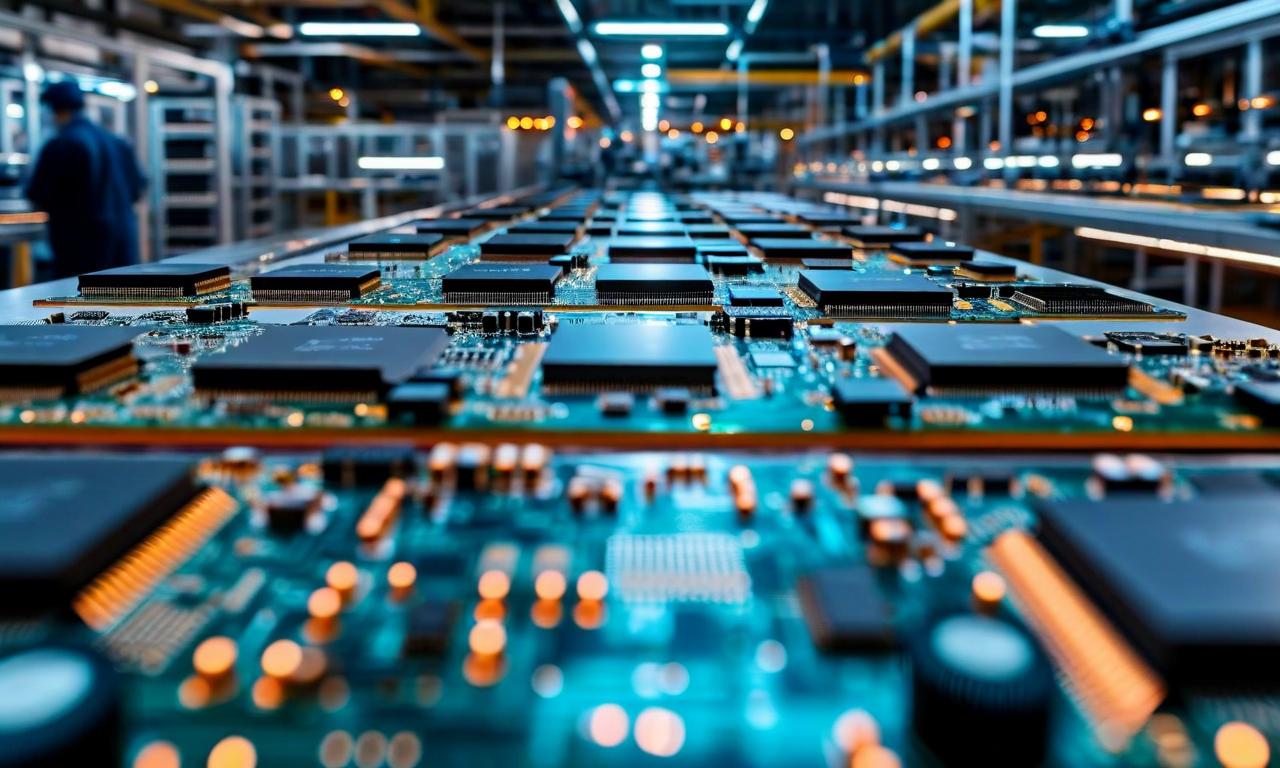
*this image is generated using AI for illustrative purposes only.

Tesla Inc. CEO Elon Musk announced that the electric vehicle manufacturer will resume work on its Dojo3 artificial intelligence supercomputer project, citing significant progress in the company's AI5 chip design development.

AI Chip Development Progress

Musk revealed key details about Tesla's semiconductor advancement timeline through a post on X (formerly Twitter). The company has made substantial progress on multiple chip generations simultaneously.

Chip Generation: Development Status
AI5 Chip: Design "almost done"
AI6 Chip: Early development phases
Manufacturing Partner: Samsung Electronics Co.
Partnership Value: $16.50 billion

Talent Acquisition Initiative

Tesla is actively seeking engineering talent for its chip development operations. Musk encouraged employment applications for what he described as "the highest volume chips in the world" and provided specific application instructions:

  • Applications should be sent to AI_Chips@Tesla.com
  • Candidates must include three bullet points describing the toughest technical problems they have solved
  • Focus on high-volume chip production capabilities

Strategic Partnership Details

The collaboration with Samsung Electronics represents a significant development in Tesla's semiconductor strategy. The $16.50 billion agreement with the South Korean manufacturing giant covers production of Tesla's AI6 processor through Samsung's foundry unit, which specializes in producing chips for external clients.

Project Background and Revival

Tesla abruptly discontinued the original Dojo project last year. The initiative centered on developing an in-house artificial intelligence supercomputer specifically designed for autonomous vehicle technology advancement. The project was previously positioned as a central component of Tesla's multibillion-dollar effort to establish leadership in the artificial intelligence sector.

The revival of the project as Dojo3 represents Tesla's renewed commitment to developing proprietary AI computing infrastructure, leveraging the progress made in chip design to support the company's autonomous driving ambitions.

like15
dislike

Michael Burry Labels Tesla 'Ridiculously Overvalued' While Confirming No Short Position

2 min read     Updated on 02 Jan 2026, 10:18 AM
scanx
Reviewed by
Shriram SScanX News Team
Overview

Michael Burry has criticized Tesla's valuation through his Substack newsletter, arguing the company is "ridiculously overvalued" due to 3.6% annual shareholder dilution from employee stock compensation. He cited Elon Musk's recently approved compensation package as evidence of continued dilution. Despite his criticism, Burry confirmed he holds no current short position, contrasting with his previous $530 million short position in 2021.

28874885

*this image is generated using AI for illustrative purposes only.

Michael Burry, the investor renowned for predicting the US housing market collapse featured in "The Big Short," has renewed his criticism of Tesla's market valuation through his recently launched Substack newsletter. The prominent investor argues that Tesla's current market capitalization represents a significant overvaluation that has persisted for an extended period.

Dilution Concerns Drive Valuation Critique

Burry's analysis centers on Tesla's practice of issuing shares to employees, which he believes distorts the company's true profitability and inflates its market value. According to his calculations, Tesla dilutes its shareholders by approximately 3.6% annually without implementing share buyback programs to offset this dilution.

Key Dilution Metrics: Details
Annual Dilution Rate: 3.6%
Share Buybacks: None
Impact: Present value destruction for shareholders

In his note to Substack subscribers, Burry shared analytical charts demonstrating what he describes as "present value destruction" resulting from this level of shareholder dilution. He emphasized that ignoring employee stock compensation expenses creates misleading earnings figures and artificially inflates market valuations.

Musk's Compensation Package Amplifies Concerns

Burry specifically highlighted the recent shareholder approval of Elon Musk's compensation package as a factor that could exacerbate the dilution issue. The proposal, valued at substantial amounts, passed with approximately 75% support from voting shareholders despite opposition from proxy advisory firms Glass Lewis and ISS.

Compensation Vote Details: Information
Shareholder Approval: 75% of voting shareholders
Opposition: Glass Lewis and ISS
Burry's Concern: Signals continued dilution

The investor warned that this approval signals the likelihood of continued share issuance under the compensation plan, further diluting existing shareholders' ownership stakes.

No Current Short Position Despite Criticism

Despite his harsh assessment of Tesla's valuation, Burry clarified through social media that he currently holds no short position against the company. When directly questioned by users on social platform X, he stated unequivocally: "I am not short."

This stance represents a change from his previous approach. Regulatory filings from May 2021 revealed that Burry had established a $530 million short position against Tesla, which he subsequently exited within several months.

Broader Technology Sector Patterns

Burry noted that Tesla's reliance on employee stock compensation is not unique within the technology sector. He identified Palantir and Amazon as other technology firms that similarly depend heavily on stock-based employee compensation, suggesting this represents a broader industry pattern that affects valuation assessments.

Market Performance Context

Tesla currently maintains a market capitalization of $1.43 trillion. The company's shares have gained more than 6% in 2025, though this performance trails the S&P 500's gains of over 15% during the same period. Burry's analysis comes as he transitions from managing his hedge fund Scion Asset Management to publishing investment commentary through his Substack newsletter, Cassandra Unchained, which costs $379 annually.

like16
dislike
Explore Other Articles