

South Korea weighs troop deployment to Strait of Hormuz as EU backs US Iran pressure


- South Korea considers military deployment to Strait of Hormuz, including combat and search operations
- EU endorses Trump administration's Operation Economic Outcast targeting Iran's economic assets
- Treasury Secretary Bessent warns nations doing business with Iran face dollar system exclusion
- Seoul balances Iran support with reduced joint drills amid North Korea denuclearization talks

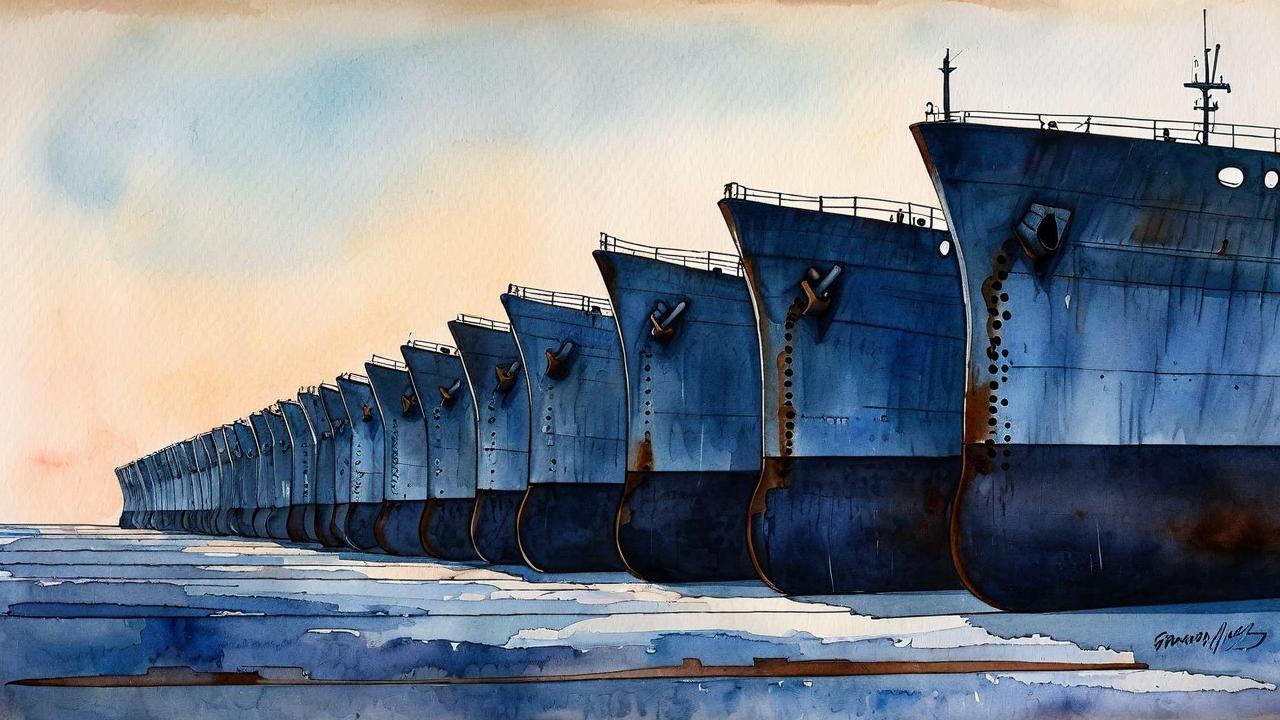

*this image is generated using AI for illustrative purposes only.
South Korea is reportedly considering a military deployment to the Strait of Hormuz, aligning with Washington’s efforts to isolate Iran. The government is evaluating options ranging from combat to search operations, balancing these moves against domestic legal requirements and security on the Korean Peninsula.
The potential move comes as the European Union endorsed the Trump administration’s "Operation Economic Outcast," launched in late August. This campaign targets Iran’s access to digital assets, advanced technology, gold, commercial aviation, and shipping.
EU Backs US Pressure Campaign
Treasury Secretary Scott Bessent praised the EU’s "strong and early stance" on Thursday. He stated that the world is sending a clear message to the Iranian regime. Bessent pressed other nations at the G20 finance gathering in Asheville, North Carolina, to support the U.S. effort. He warned that countries continuing to do business with Iran could face exclusion from the dollar-based financial system.
Brussels endorsed efforts to curb Tehran’s destabilizing activities on August 31. This support aims to increase economic pressure on Iran and restart peace talks.
Balancing Regional Security
President Donald Trump ordered the Pentagon to substantially reduce U.S.-South Korea military exercises last month. Cited reasons included high costs, his relationship with North Korean leader Kim Jong Un, and South Korea’s refusal to join U.S. efforts against Iran. Critics warned that scaling back drills could weaken allied readiness against North Korea.
South Korea later backed Trump’s efforts to revive talks with Pyongyang. National Security Adviser Wi Sung-lac insisted that any dialogue must produce progress on denuclearization without weakening Seoul’s security posture. He emphasized that Seoul wants close coordination with Washington and does not want to be sidelined.
Officials noted that deploying even one or two service members overseas would legally qualify as a troop deployment under the Constitution. Nothing has been decided, but options are under review.

How might South Korea's potential military deployment to the Strait of Hormuz impact its delicate diplomatic balancing act between Washington and Pyongyang?
What are the long-term economic implications for South Korean exporters if non-compliant nations are excluded from the dollar-based financial system?
Could the reduction in U.S.-South Korea military exercises create security vulnerabilities that North Korea might exploit during this period of geopolitical realignment?
 19
19





 Access 50+ Readymade Screeners
  Use 200+ Custom Filters
  Get Full Market Insights





