

Scaramucci says Trump dismissed Iran defense doctrine


- Anthony Scaramucci claims Trump ignored intelligence on Iran's Mosaic Defense Doctrine
- Iran's strategy involves 31 autonomous units to sustain resistance after leadership strikes
- Iranian official calls U.S. response to Strait of Hormuz conditions inadequate
- Pentagon prepares for potential resumption of major combat operations in Iran

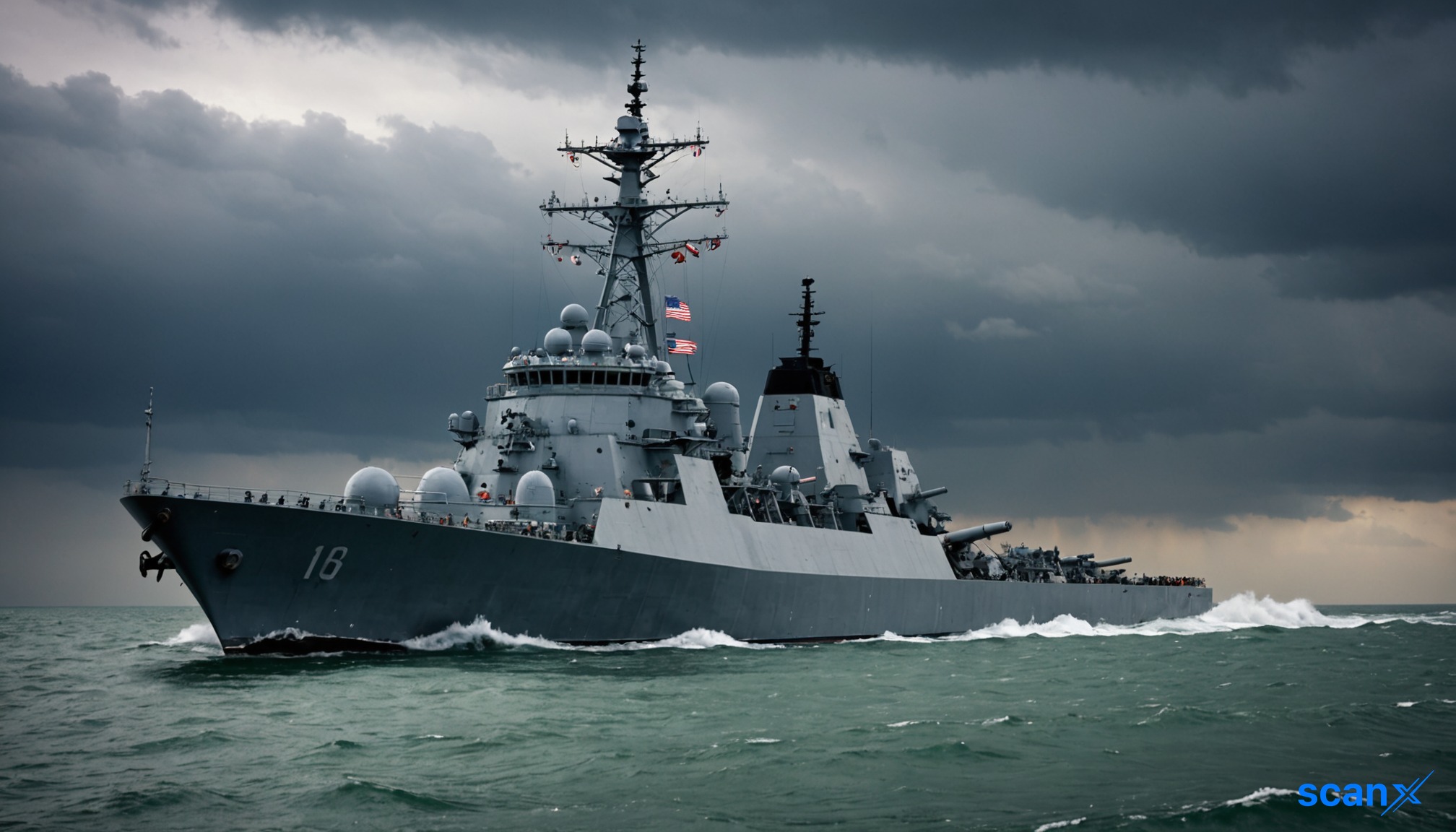

*this image is generated using AI for illustrative purposes only.
Anthony Scaramucci accused President Donald Trump of ignoring intelligence warnings regarding Iran's Mosaic Defense Doctrine, labeling the resulting U.S. military engagement a "major disaster." The Skybride Capital founder argued that Tehran had anticipated leadership-targeting strategies based on two decades of observing American operations in Afghanistan and Iraq.
Scaramucci stated that Iran prepared for exactly what occurred by decentralizing its command structure. He noted that few in America recognized this strategic shift, describing the domestic political environment as an "incurious culture."
The mosaic defense doctrine
The doctrine relies on 31 autonomous units with layered command structures designed to sustain resistance if senior leaders are eliminated or central communications are disrupted. This decentralized approach aims to prevent an adversary from crippling Iran's military capabilities solely through decapitation strikes.
| Component | Description |
|---|---|
| Command Structure | Decentralized with multiple layers |
| Operational Units | 31 autonomous units |
| Strategic Goal | Sustain resistance after leadership losses |
Escalating regional tensions
Iranian security chief Mohsen Rezaei stated that while the U.S. accepted some of Tehran's seven conditions for reopening the Strait of Hormuz, Washington's overall response remained inadequate. Tensions have intensified following recent attacks on vessels, including the Petro Dolphin incident which left two Indian mariners missing.
Brett Erickson, Managing Principal at Obsidian Risk Advisors, warned that Iran's continued maritime attacks suggest Tehran is "just taking it EASY on Trump," raising fears of a broader oil shock. Meanwhile, the Pentagon reportedly instructed U.S. Central Command to prepare for potential resumption of major combat operations targeting nuclear and energy infrastructure.
Military posturing and diplomatic stalemate
President Trump claimed the U.S. was doing "extremely well" and that Iran's military had been severely weakened, suggesting the conflict could end either "the nice way or the not-so-nice way." However, Iran warned of stronger retaliation against future U.S. attacks.
Reports indicate the Pentagon is deploying additional troops, warships, fighter jets, and a third aircraft-carrier strike group to the Middle East. Senator Chris Van Hollen has urged Congress to cut off funding for these operations, highlighting deepening domestic political divisions over the conflict.

How might the deployment of a third aircraft carrier strike group impact global oil prices and energy market volatility in the short term?
What are the potential economic consequences for global shipping insurance rates if maritime attacks on vessels like the Petro Dolphin continue to escalate?
Could Congress's potential move to cut off funding for military operations significantly alter the strategic timeline or scope of U.S. engagement in the region?
 16
16






 Access 50+ Readymade Screeners
  Use 200+ Custom Filters
  Get Full Market Insights





