
Samsung Electronics Advances Toward Nvidia Certification for HBM4 AI Memory Chips

1 min read     Updated on 26 Jan 2026, 07:46 AM
scanx
Reviewed by
Shraddha JScanX News Team
Overview

Samsung Electronics has entered the final qualification phase with Nvidia for HBM4 AI memory chip certification, following sample submission in September. The company is preparing for mass production in February and potential shipments to Nvidia and AMD next month. Samsung's progress in the AI memory market, alongside SK Hynix and Micron Technology, has contributed to a collective $900 billion market value gain since September, driven by AI-related demand and industry-wide memory shortages.

30939384

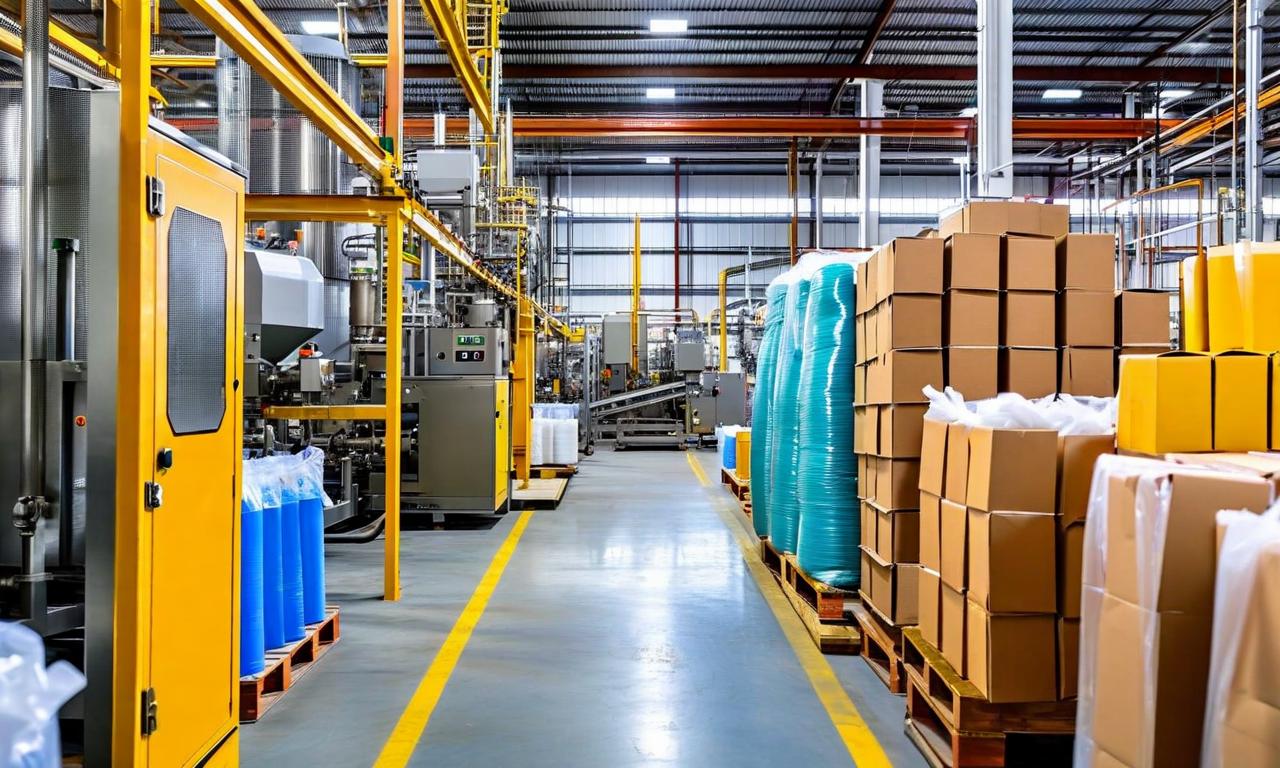
*this image is generated using AI for illustrative purposes only.

Samsung Electronics is making significant progress toward securing Nvidia's certification for its latest HBM4 AI memory chips, marking a crucial step in the company's efforts to compete with industry leaders SK Hynix and Micron Technology. The Suwon-based manufacturer has entered the final qualification phase with Nvidia after supplying initial samples to the US chipmaker in September.

Qualification Progress and Production Timeline

Samsung's advancement through Nvidia's certification process represents a major milestone in the competitive AI memory market. The company is preparing for mass production of HBM4 chips in February, positioning itself to begin shipments soon after, though exact timing remains unclear.

Development Stage: Status
Sample Submission: Completed in September
Current Phase: Final qualification with Nvidia
Mass Production: Planned for February
Shipment Timeline: Under preparation

Market Response and Competitive Landscape

The news generated immediate market reaction, with Samsung's shares gaining as much as 3.2% in Seoul trading before paring gains. Conversely, SK Hynix's stock declined by approximately the same amount, reflecting the competitive dynamics in the AI memory sector.

The three leading memory chip manufacturers have experienced remarkable growth, collectively gaining roughly $900 billion in market value since the start of September. This surge reflects the broader AI rush that has created significant memory shortages across the electronics industry.

Strategic Implications for AI Market

Nvidia currently relies heavily on SK Hynix for the most sophisticated memory chips paired with its top-tier AI accelerators. Samsung's potential certification for HBM4 chips could enable the company to supply components for Nvidia's upcoming flagship Rubin processors, expanding the supplier base for critical AI infrastructure.

According to the Korea Economic Daily, Samsung is scheduled to begin HBM4 shipments to both Nvidia and Advanced Micro Devices next month. Both Samsung and SK Hynix are expected to discuss their HBM4 chip progress during earnings calls scheduled for Thursday, providing further insights into their competitive positioning in this rapidly growing market segment.

like15
dislike

Samsung Electronics Sees Bright India Outlook for 2026, Bets on AI Integration and Economic Recovery

2 min read     Updated on 13 Jan 2026, 11:22 PM
scanx
Reviewed by
Anirudha BScanX News Team
Overview

Samsung Electronics Southwest Asia CEO JB Park projects a 'positive and bright' outlook for India in 2026, driven by improved consumer sentiment and economic recovery. The company plans extensive AI integration across washing machines, refrigerators, and mobile devices above certain price points, following co-CEO T M Roh's CES 2026 announcement. Samsung has invested heavily in Indian R&D centers employing over 10,000 engineers, with operations in Delhi, Noida, and Bengaluru contributing to global markets. The company achieved the milestone of crossing ₹1 lakh crore in Indian sales and expects continued growth supported by GST reforms and macroeconomic improvements.

29872330

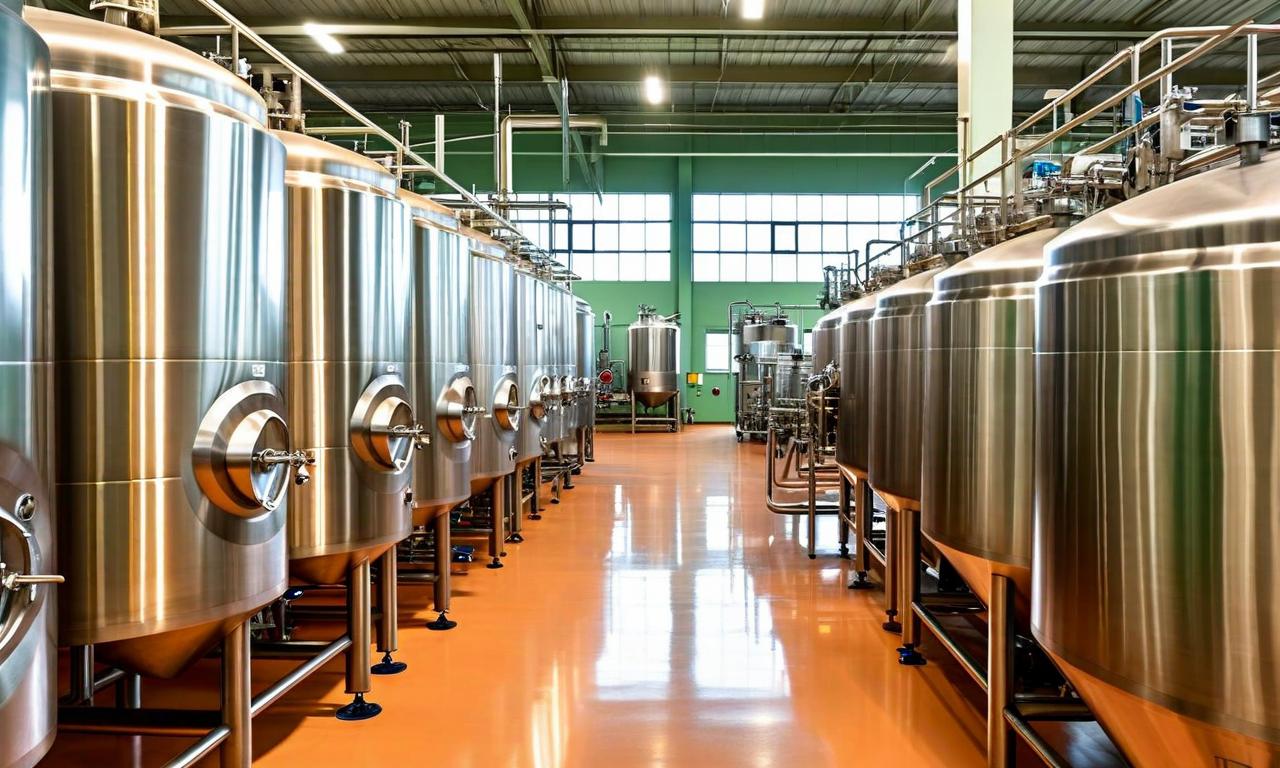
*this image is generated using AI for illustrative purposes only.

Samsung Electronics Southwest Asia President and CEO JB Park has expressed strong confidence in India's market potential for 2026, citing a 'positive and bright' business outlook driven by improved consumer sentiment and economic recovery. Speaking at the Consumer Electronics Show (CES) 2026, Park highlighted the company's strategic focus on artificial intelligence integration and continued investment in the Indian market.

AI Integration Across Product Portfolio

Samsung Electronics is implementing a comprehensive AI strategy across its product range, following co-CEO T M Roh's announcement at the 'First Look' event at CES 2026 to embed artificial intelligence across every product and category. The integration will span multiple segments including washing machines, refrigerators, other home appliances, and mobile devices above certain price points.

AI Integration Targets: Details
Current AI-enabled devices: 400 million mobile devices globally
Target by end of year: 800 million AI-enabled devices globally
Connectivity: Wi-Fi enabled across all home appliances from 2026
Smart features: 9-inch screens on premium refrigerators and washing machines

The devices will utilize Samsung's SmartThings platform, which supports an energy-efficient engine to monitor, control, and enable two-way communication with connected appliances. Home devices will connect via smartphones or smart TVs, creating an integrated ecosystem.

Strong India Performance and Market Outlook

Samsung Electronics India has achieved a significant milestone by becoming the first company to cross ₹1 lakh crore in sales within India's appliances and consumer electronics sectors. Park noted observable improvements in consumer behavior and economic conditions compared to the previous year.

"I am already seeing the consumer sentiment towards opening up their wallets. I would say the economy is going up in a much more positive way compared to last year," Park stated. He acknowledged that 2025 experienced some market challenges, but government support through GST revisions helped drive consumption and build momentum.

Substantial R&D Investment and Engineering Expansion

Samsung Electronics has made significant investments in research and development across its Indian operations, focusing on AI-centric engineering capabilities. The company operates multiple specialized R&D centers contributing to both local and global markets.

R&D Operations: Details
Consumer electronics R&D: Delhi
Mobile R&D: Noida and Bengaluru
Total engineers: Over 10,000
Semiconductor team: Additional 4,000 engineers in Bengaluru
Focus: AI-centric engineering transformation

"The role of the R&D centre is to upgrade the software, architect it and develop it in a way that it is used in the Indian market or globally," Park explained. The company is actively transforming its engineering workforce to become more AI-centric, leveraging India's abundant engineering talent and educational resources.

Product Launch Strategy and Market Expansion

With CES 2026 underway, Samsung Electronics plans new flagship launches in February featuring AI-powered capabilities. Park emphasized that upcoming products will showcase "amazing features that are powered and embedded with the AI function," reinforcing the company's positive business outlook for the year.

The company's strategy reflects confidence in India's economic trajectory, supported by government initiatives including GST reforms and other macroeconomic factors that are expected to sustain growth momentum throughout 2026.

like17
dislike
