

Russia secretly aids Iran on supersonic cruise missile tech


- Covert C430L program launched in 2023 involves Russian specialists aiding Iran's supersonic missile development
- Rosoboronexport proposed sending two dozen specialists in April 2025 for technical consultations
- Ramjet propulsion technology enables missiles to fly several times faster than sound
- Experts warn the system could threaten US Navy vessels in the region
- No evidence yet that Russian-assisted supersonic missiles have been deployed

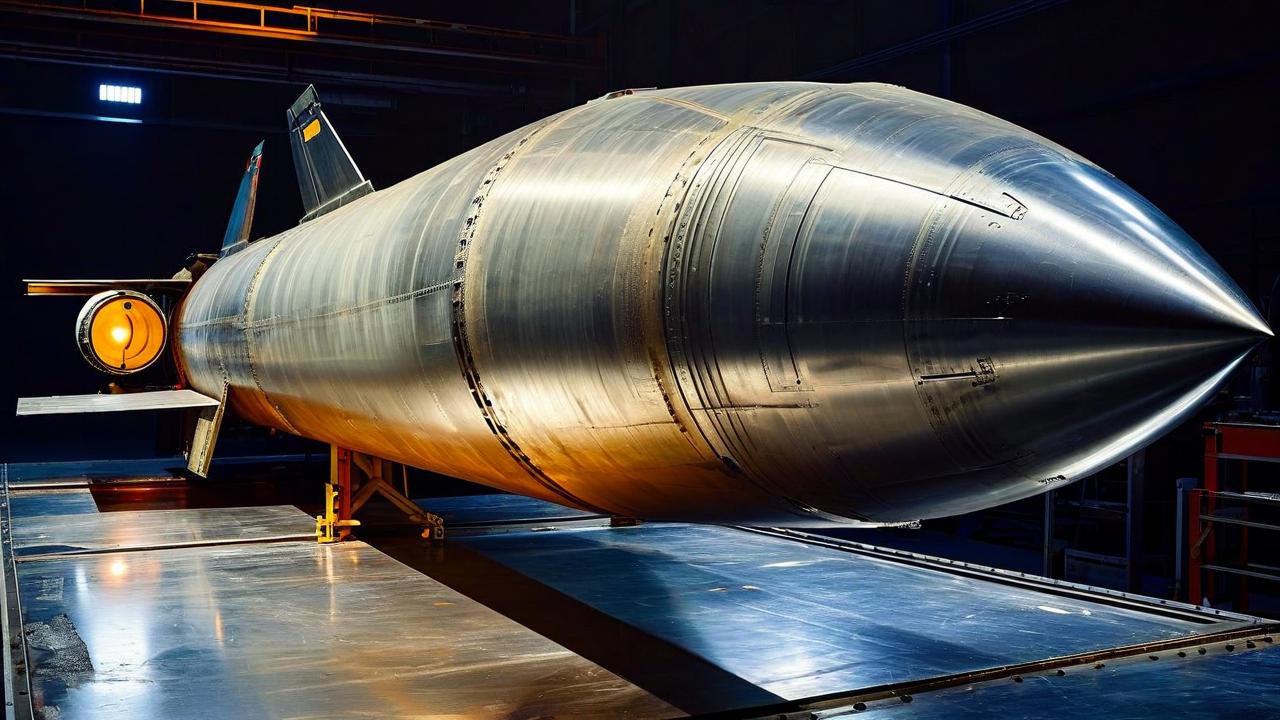

*this image is generated using AI for illustrative purposes only.
Russia has secretly helped Iran develop supersonic cruise missile technology through a covert programme that began in 2023, according to the Financial Times.
Covert programme and technical assistance
The initiative, codenamed C430L, enlisted leading Russian missile specialists to assist Iran in developing ramjet propulsion technology. This technology enables missiles to sustain speeds several times faster than sound. Russia’s state arms exporter Rosoboronexport and missile developer NPO Mashinostroyenia arranged the programme.
Russian engineers made several trips to Iran before a contract was signed with Iran’s Ministry of Defense and Armed Forces Logistics in November 2023. In April 2025, Rosoboronexport proposed sending around two dozen specialists to Iran for technical consultations under C430L. The planned mission focused on analyzing Iran’s propulsion system, with Moscow requesting flight-test telemetry data from Tehran prior to the visit.
Fabian Hinz, an expert on Iranian missiles, described the arrangement as the transfer of highly strategically sensitive military technology that Iran has sought for decades.
Strategic implications
The technology being developed could pose a threat to US warships and other targets. Jim Lamson, a former CIA Iran military analyst at the James Martin Center for Nonproliferation Studies, stated that this would provide Iran with a qualitatively new strategic weapon system capable of threatening US Navy vessels.
Iran has developed and flight-tested a ramjet propulsion system, but there is currently no evidence that a Russian-assisted supersonic cruise missile has been deployed.
| Programme detail | Information |
|---|---|
| Programme name | C430L |
| Programme start | 2023 |
| Key entities | Rosoboronexport, NPO Mashinostroyenia |
| Technology focus | Supersonic cruise missile, ramjet propulsion |
| Reported capability | Several times the speed of sound |
| Potential targets cited | US warships and other targets |
| Recent development | April 2025 proposal for specialist visit |
| Source | Financial Times |
Broader military cooperation context
This revelation follows reports of Russia transferring upgraded Shahed-type drones to Iran in March, incorporating battlefield-tested improvements from the Ukraine war. In July, reports emerged of US investigations into whether Russia helped Iran target CIA facilities using advanced drone technology with Kometa-M navigation systems.
President Donald Trump downplayed these reports, stating any Russian assistance had little impact and expressing doubt that Moscow was sharing intelligence with Tehran at a high level. Trump also thanked Chinese President Xi Jinping and Russian President Vladimir Putin for remaining neutral during the conflict with Iran.

How might the successful deployment of Russian-assisted supersonic cruise missiles alter the strategic balance of power in the Persian Gulf and impact US naval deterrence strategies?
What specific economic or military sanctions could the US and its allies impose on Rosoboronexport and NPO Mashinostroyenia in response to this covert technology transfer?
Will this revelation accelerate Iran's nuclear ambitions as a counterbalance to perceived conventional military threats from Western powers?
 19
19





 Access Market Heat-map & Insights
  Create, Save & Share your Screener
  Use 200+ Screening Filters





