

Putin signals hope for Ukraine peace deal as Trump sets meeting condition


- Putin expressed optimism for a Ukraine peace deal, citing support from the U.S. and China
- Trump stated he would meet Putin only when Moscow is ready to end the war
- Brent crude rose 0.42% to $96.11 per barrel amid global energy shocks
- Russia's 2026 oil output forecast fell to a 17-year low due to infrastructure attacks

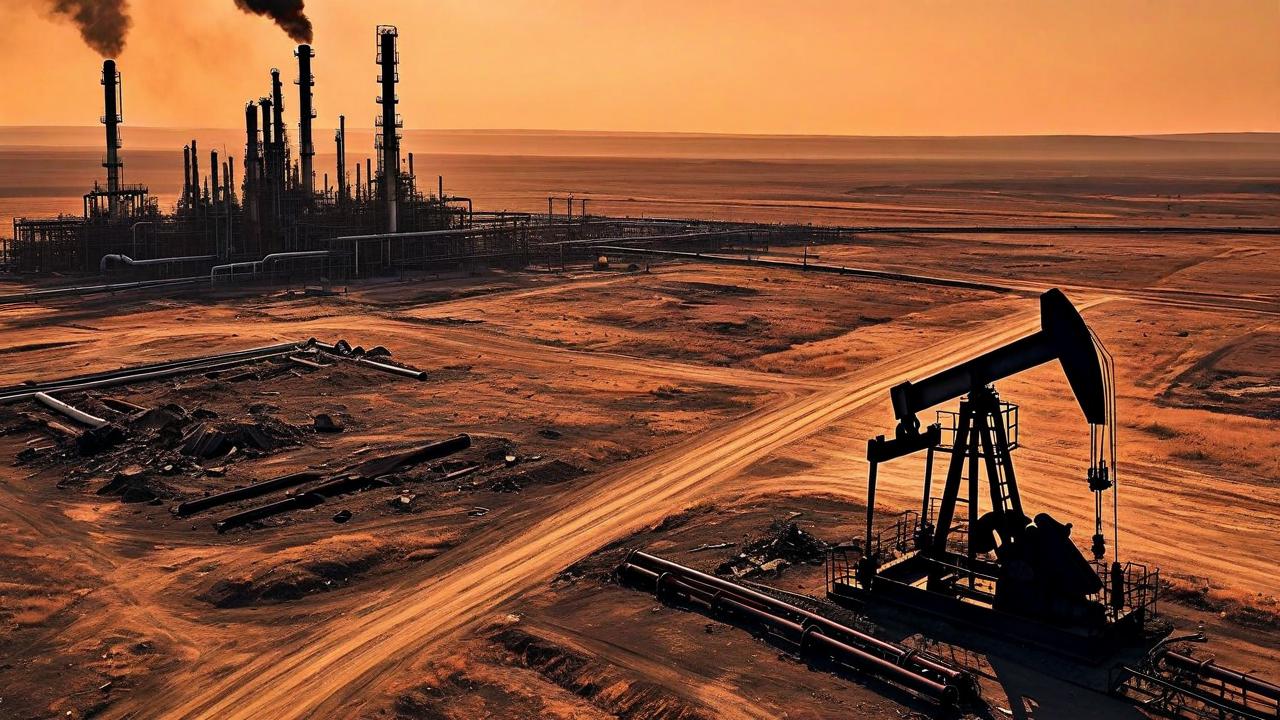

*this image is generated using AI for illustrative purposes only.
Russian President Vladimir Putin expressed optimism about reaching a peace agreement to end the war in Ukraine, stating that countries including the U.S. and China are ready to support a settlement.
Speaking at an economic forum in Russia on Thursday, Putin emphasized that the primary responsibility for resolving the conflict lies with Russia and Ukraine. He noted that contacts continue mainly through intelligence channels but questioned their effectiveness.
Trump Links Meeting to Peace Deal
President Donald Trump stated he would meet Putin only when Moscow is ready to reach a peace deal. Trump urged both sides to stop fighting and said he could meet Putin "immediately" if conditions for ending the war were in place.
Little progress has been made since last February's U.S.-mediated talks. With Washington focused on the war in Iran, both sides have intensified long-range strikes and attacks on ports and commercial shipping.
Energy Sector Implications
The conflict has significantly impacted global energy markets. Treasury Secretary Scott Bessent partly attributed the global "energy shock" to Ukraine's attacks on Russian energy infrastructure, adding to price pressure from the U.S.-Iran war.
Russia's oil output forecast for 2026 has decreased to a 17-year low, contributing to gasoline shortages and forcing limits on fuel exports.
| Metric | Price | Change |
|---|---|---|
| Brent crude (Oct) | $96.11 per barrel | +0.42% |
| WTI crude (Oct) | $91.78 per barrel | +0.86% |
Ukrainian Foreign Minister Andrii Sybiha suggested a "new dynamic" in peace initiatives without providing specific details. Meanwhile, President Volodymyr Zelenskyy warned that Ukrainian drone activity has made Russian airspace increasingly dangerous for civilian aircraft.

How might the concurrent U.S. military focus on Iran constrain Washington's diplomatic leverage in mediating a Ukraine-Russia peace settlement?
What are the projected downstream effects on global inflation and consumer energy costs if Russia's oil output remains at 17-year lows through 2026?
Will the reported intelligence-led negotiations between Moscow and Kyiv yield a framework for direct political talks, or do structural disagreements remain insurmountable?
 20
20






 Access Market Heat-map & Insights
  Create, Save & Share your Screener
  Use 200+ Screening Filters





