Putin Highlights Russia's Role in Balancing Global Oil Markets Through OPEC+

1 min read     Updated on 16 Oct 2025, 04:54 PM
scanx
Reviewed by
Anirudha BScanX News Team
AI Summary

Russian President Vladimir Putin highlighted Russia's contribution to stabilizing global oil markets through its participation in OPEC+. As a major oil producer, Russia's involvement in the alliance has been crucial in coordinating production levels to match global demand and stabilize oil prices. The OPEC+ collaboration has been instrumental in managing global oil supply, potentially impacting oil prices worldwide. Russia's active role in OPEC+ also carries significant geopolitical implications, strengthening its position in the global energy market and providing a platform for cooperation with major Middle Eastern oil producers.


powered bylight_fuzz_icon
22159488

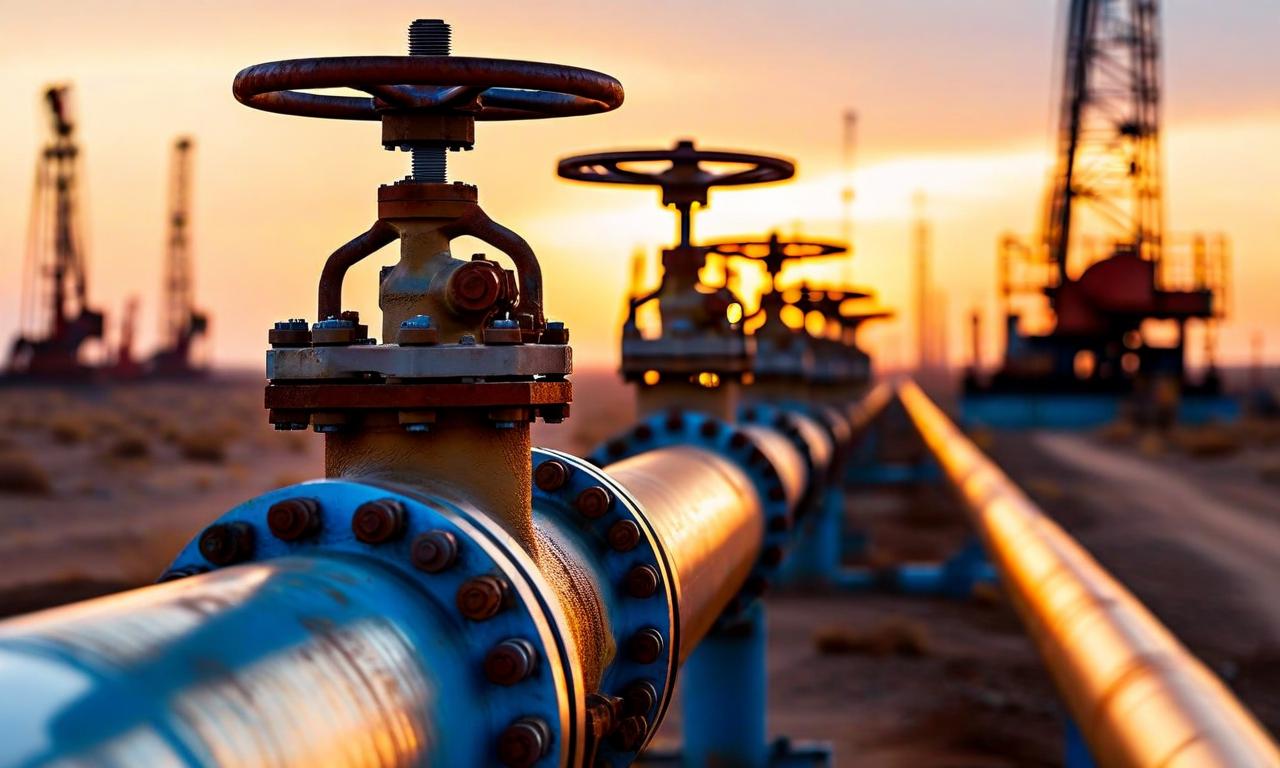
*this image is generated using AI for illustrative purposes only.

Russian President Vladimir Putin has emphasized Russia's contribution to stabilizing global oil markets through its participation in OPEC+, the alliance between OPEC and non-OPEC oil-producing countries.

Russia's Role in OPEC+

Putin's statement underscores the significance of Russia's involvement in the oil production alliance, which aims to maintain balance in the global oil market. As a major oil producer, Russia's participation in OPEC+ has been crucial in coordinating production levels to match global demand and stabilize oil prices.

Impact on Global Oil Markets

The OPEC+ alliance, which includes Russia, has been instrumental in:

  • Coordinating oil production levels among member countries
  • Responding to fluctuations in global oil demand
  • Attempting to maintain price stability in the international oil market

Putin's remarks highlight the continued importance of this collaboration in managing global oil supply and its potential impact on oil prices worldwide.

Geopolitical Implications

Russia's active role in OPEC+ also carries significant geopolitical implications:

  • Strengthening Russia's position as a key player in the global energy market
  • Providing a platform for cooperation between Russia and major Middle Eastern oil producers
  • Potentially influencing Russia's broader international relations, particularly with other OPEC+ members

As global energy dynamics continue to evolve, Russia's participation in OPEC+ remains a critical factor in shaping the international oil market landscape.

like16
dislike

EIA Forecasts OPEC+ Oil Production to Remain Below Official Targets

1 min read     Updated on 07 Oct 2025, 09:46 PM
scanx
Reviewed by
Naman SScanX News Team
AI Summary

The Energy Information Administration (EIA) predicts that OPEC+ will continue producing oil below their officially announced production goals, indicating a sustained strategy of production restraint. This forecast suggests OPEC+ is likely to maintain tight control over oil supply, potentially supporting oil prices and aiming to balance global oil supply with demand. The decision could be influenced by various factors including global economic conditions, oil demand forecasts, and geopolitical considerations.

powered bylight_fuzz_icon
21399415

*this image is generated using AI for illustrative purposes only.

The Energy Information Administration (EIA) has released a forecast suggesting that OPEC+ (Organization of the Petroleum Exporting Countries and its allies) will continue to produce oil at levels below their officially announced production goals. This projection indicates that the oil cartel is likely to maintain its production restraint despite having higher targets in place.

Production Restraint Continues

The EIA's forecast highlights a significant trend in global oil production:

  • OPEC+ is expected to produce less oil than their official targets
  • This restraint comes despite the group having announced higher production goals
  • The forecast suggests a continued strategy of controlled supply by the oil cartel

Implications for Global Oil Markets

The EIA's prediction could have several implications for the global oil market:

  1. Supply Management: OPEC+ appears to be maintaining tight control over oil supply, which could potentially support oil prices.
  2. Market Balance: The group's production restraint may be aimed at balancing global oil supply with demand.
  3. Price Stability: By keeping production below targets, OPEC+ might be attempting to prevent oversupply and maintain price stability in the oil market.

Factors Influencing OPEC+ Decision

While the EIA report doesn't specify reasons for OPEC+'s expected underproduction, several factors could be at play:

  • Global economic conditions
  • Oil demand forecasts
  • Geopolitical considerations
  • Individual member countries' production capacities and economic needs

Conclusion

The EIA's forecast provides valuable insight into the expected behavior of one of the most influential groups in the global oil market. As OPEC+ continues to produce below its official targets, market participants will likely be watching closely for any shifts in this strategy and its impact on global oil supply and prices.

It's important to note that this forecast represents the EIA's projections and actual production levels may vary based on numerous factors affecting the global oil market.

like18
dislike