
 NewsPollution Costs India 9% of GDP Annually, Bigger Threat Than Tariffs: IMF's Gita Gopinath at Davos 2026
Pollution Costs India 9% of GDP Annually, Bigger Threat Than Tariffs: IMF's Gita Gopinath at Davos 2026


IMF Deputy Managing Director Gita Gopinath stated at Davos 2026 that pollution poses a greater economic threat to India than tariffs. Air pollution costs India approximately 9% of GDP annually through healthcare expenses and lost productivity, according to Lancet studies. The World Bank estimates environmental degradation costs between 5-6% of GDP over multiple years. Businesses like Shoppers Stop report direct sales impact from pollution-related reduced footfalls, while air pollution eliminated 1.3 billion working days in 2019 alone.

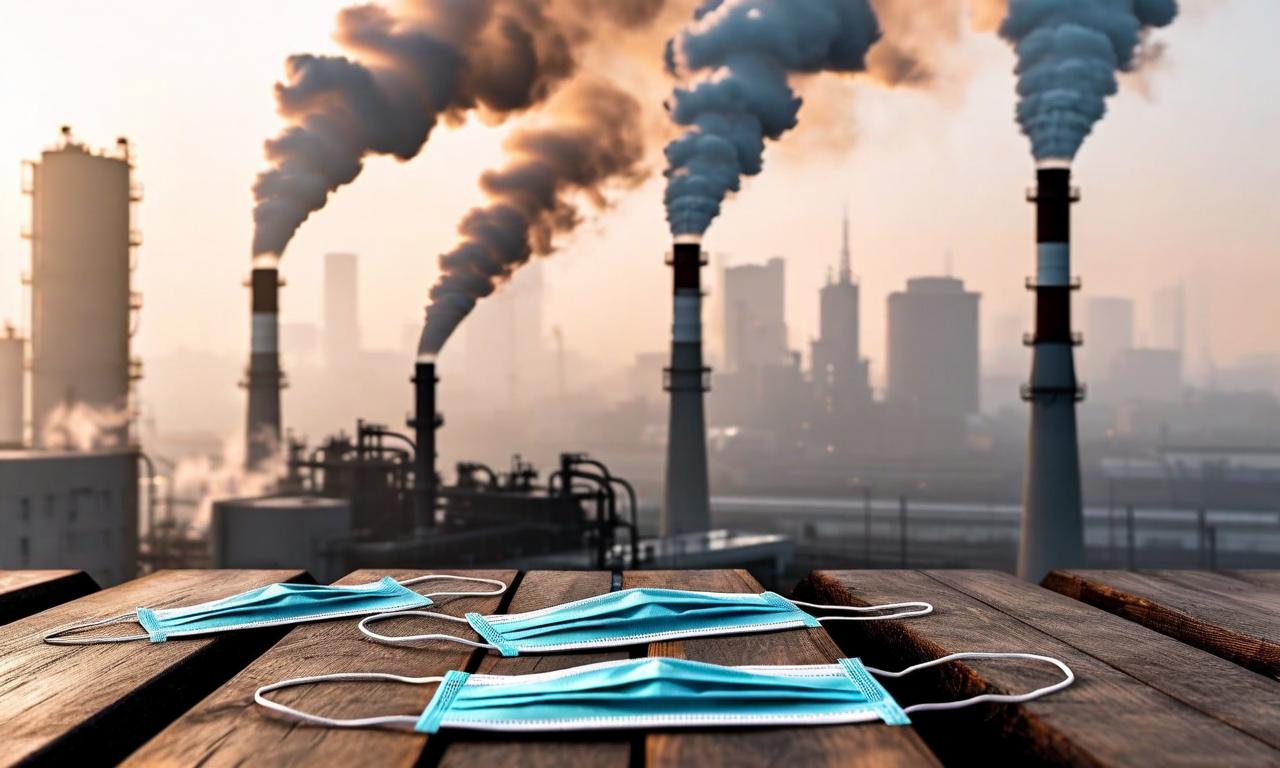

*this image is generated using AI for illustrative purposes only.
At the World Economic Forum in Davos 2026, Gita Gopinath, Deputy Managing Director of the International Monetary Fund (IMF), delivered a stark assessment of India's economic challenges, stating that pollution represents a bigger problem for the country than tariffs. Her remarks highlight the substantial economic burden that environmental degradation places on India's growth trajectory and household incomes.
Massive Economic Impact on GDP
The economic toll of air pollution on India is staggering. According to the Lancet and Global Burden of Disease study, air pollution costs India approximately 9% of its GDP annually when accounting for healthcare expenses, lost productivity, and welfare losses. This impact exceeds India's combined annual spending on healthcare and education.
| Economic Impact Metric: | Annual Cost |
|---|---|
| GDP Loss (Lancet Study): | 9% of GDP |
| World Bank Assessment: | 5-6% of GDP |
| Business Losses: | $95.00 billion |
| Consumer Spending Reduction (2019): | $22.00 billion |
The World Bank's assessments corroborate these findings, showing that environmental degradation costs India between 5% and 6% of GDP over multiple years. This represents a recurring annual loss embedded in the economy rather than a one-time shock.
Human Cost and Productivity Losses
Air pollution caused approximately 1.7 million deaths in India in a single year, with a large proportion occurring among working-age adults. When people die prematurely or suffer repeated illness, the economy loses income, productivity, and skills that cannot easily be replaced.
In 2019 alone, air pollution reduced consumer spending by an estimated $22.00 billion and eliminated 1.3 billion working days. A 2021 Dalberg study estimated that air pollution costs Indian businesses around $95.00 billion annually through increased worker illness, declining productivity, and reduced efficiency.
Direct Business Impact
Businesses across India are experiencing tangible effects from deteriorating air quality. Retail chain Shoppers Stop recently reported that its third-quarter sales were impacted by lower footfalls, which the company linked to elevated pollution levels in parts of North India.
Specific sector impacts demonstrate the widespread nature of pollution-related losses:
• Retail Sector: Mumbai's Linking Road shopping district experiences approximately 5% decline in footfall during heavily polluted months between November and January • Solar Energy: A rooftop solar company reported 13% drop in panel productivity on high-pollution days • Technology Sector: Employee productivity in Bengaluru's Whitefield corporate zone declined by 8% to 10% during severe pollution periods
Healthcare Burden and Hidden Costs
Pollution-related illnesses such as asthma, heart disease, and stroke significantly increase both household medical expenses and public health spending. Families face higher out-of-pocket costs while governments must divert resources from development initiatives to treatment programs.
| Health Impact Area: | Economic Effect |
|---|---|
| Household Medical Expenses: | Increased out-of-pocket costs |
| Public Health Spending: | Resource diversion from development |
| Working Days Lost (2019): | 1.3 billion days |
| Deaths Annually: | 1.7 million |
Economic Policy Imperative
Gopinath's assessment frames pollution control as an economic necessity rather than merely an environmental concern. The cumulative effect operates as a hidden tax on every Indian, paid through hospital bills, lost workdays, and slower income growth. Unlike other economic challenges, this cost compounds over time, creating a weaker and less productive workforce.
The solution requires treating pollution control as economic policy, involving stricter enforcement of emission norms, meaningful penalties for violators, cleaner transport and industrial standards, and stronger coordination across states. While laws exist, consistent and firm enforcement remains lacking.
 19
19







 Access 50+ Readymade Screeners
  Use 200+ Custom Filters
  Get Full Market Insights





