

Kim Jong Un Vows Two Choe Hyon-Class Warships Annually and Nuclear Acceleration


According to KCNA, Kim Jong Un has pledged to build two Choe Hyon-class warships annually over the next five years as part of the nuclearization and strategic expansion of North Korea's navy, while also vowing to fast-track a 10,000-ton strategic guided-missile cruiser and accelerate nuclear weapons technology development. He further accused the United States and South Korea of conducting dangerous provocations through what he termed a "nuclear war machinery."

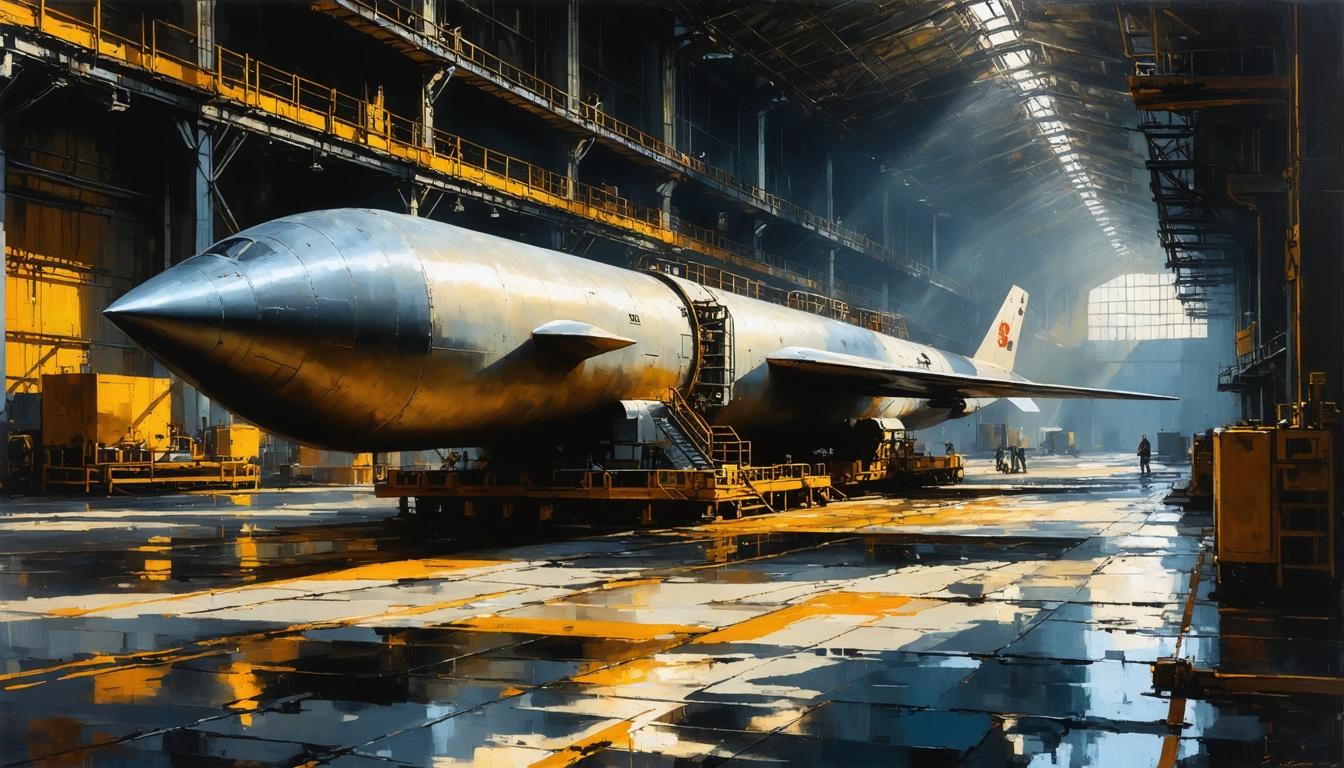

*this image is generated using AI for illustrative purposes only.
Kim Jong Un has escalated North Korea's military posture on multiple fronts, vowing to build two Choe Hyon-class warships annually over the next five years as part of what Pyongyang describes as the nuclearization and strategic expansion of its navy, according to reports by KCNA. The North Korean leader also pledged to accelerate nuclear weapons technology development and fast-track the construction of a 10,000-ton strategic guided-missile cruiser, further intensifying the country's broader military modernization agenda. Kim Jong Un additionally accused the United States and South Korea of carrying out what he described as the most dangerous provocations through a "nuclear war machinery."
Key Statements and Military Declarations
The declarations cited by KCNA reflect Kim Jong Un's characterisation of joint U.S. and South Korean activities as constituting a severe and direct threat to North Korea. The language used — specifically the phrase "nuclear war machinery" — underscores the North Korean leadership's framing of allied military posture as an existential provocation. Alongside these accusations, Kim Jong Un's vow to accelerate nuclear weapons development signals a stated commitment to expanding the country's strategic capabilities. The pledge to build two Choe Hyon-class warships annually over the next five years, combined with the fast-tracking of a 10,000-ton strategic guided-missile cruiser, represents a concrete and sustained naval dimension to Pyongyang's publicly declared modernization agenda.
The following table summarises the key details from the reports:
| Parameter: | Details |
|---|---|
| Source: | KCNA |
| Statement By: | Kim Jong Un |
| Accusation: | U.S. and South Korea carrying out the most dangerous provocations via "nuclear war machinery" |
| Nuclear Declaration: | Accelerate broader efforts to advance nuclear weapons technology and strengthen nuclear deterrent capabilities |
| Naval Production Target: | Two Choe Hyon-class warships annually over the next five years |
| Naval Development: | Fast-track construction of a 10,000-ton strategic guided-missile cruiser |
| Stated Goal: | Nuclearization and strategic expansion of the navy; broader military modernization |
Context
The statements, as cited by KCNA, reflect North Korea's stated intent to reinforce its position as a nuclear-armed state while simultaneously expanding its conventional and strategic naval capabilities. The commitment to produce two Choe Hyon-class warships per year over five years adds a sustained, long-term production dimension to Pyongyang's naval ambitions, complementing the fast-tracking of the 10,000-ton strategic guided-missile cruiser and the country's broader nuclear deterrent goals. No further details regarding the specific context, occasion, or associated timelines beyond the five-year production plan were provided in the source reports.

How will the U.S. and South Korea adjust their joint military exercises in response to North Korea's escalated naval and nuclear threats?
What impact will North Korea's naval expansion have on regional maritime security and the balance of power in the East China Sea and Sea of Japan?
Could North Korea's accelerated nuclear and naval development trigger a renewed arms race in Northeast Asia?
 17
17






 Create Custom Screeners
  Access 200+ Pre-built Filters
  Use 50+ Readymade Screener





