Japan, US in talks to build chip factory as part of tariff deal

scanx
Reviewed by
Shriram SScanX News Team
Key Highlights
  • Japan and US negotiate construction of a new semiconductor factory
  • Project is part of broader efforts to resolve tariff disputes
  • No financial or operational details disclosed yet
powered bylight_fuzz_icon
51177670

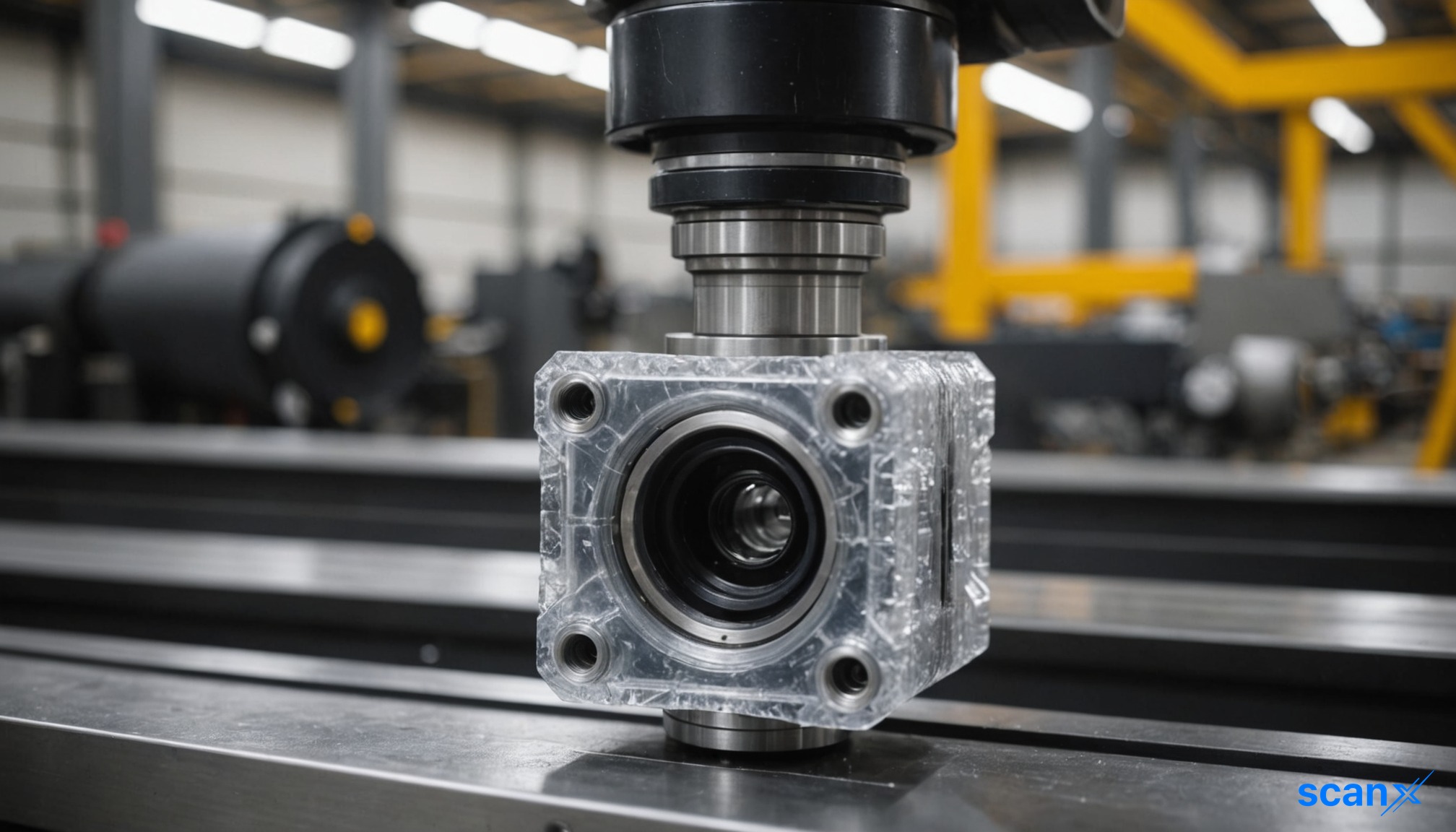
*this image is generated using AI for illustrative purposes only.

Japan and the United States are holding discussions to construct a semiconductor manufacturing facility. The proposed project is being negotiated as a component of a broader agreement intended to address ongoing tariff disputes between the two economies.

Strategic Context

The talks centre on establishing a new chip factory, which would serve as a tangible outcome of diplomatic efforts to ease trade tensions. By linking industrial investment to tariff negotiations, both sides appear to be seeking a mechanism that balances commercial interests with geopolitical stability.

No specific details regarding the location, capacity, or investment value of the proposed facility have been disclosed. The discussions remain at the negotiation stage, with no final agreement confirmed.

What the Numbers Show

While no financial figures were provided in the report, the linkage of capital-intensive infrastructure projects to trade policy signals a strategic shift. This approach suggests that future trade resolutions may increasingly rely on joint industrial ventures rather than purely fiscal adjustments.

How might the establishment of a joint US-Japan semiconductor facility impact the current global chip supply chain dynamics and competition with China?

What specific tariff reductions or trade concessions are likely to be demanded by either party in exchange for committing to this capital-intensive infrastructure project?

Could this model of linking industrial investment to trade dispute resolution become a precedent for other major economies facing similar tariff tensions?

like17
dislike

Bessent backs Takaichi-nomics as Japan yields hit 30-year high

scanx
Reviewed by
Ritika DScanX News Team
Key Highlights
  • Scott Bessent calls for end to reflationary policy, backs 'Takaichi-nomics'
  • Japan's 10-year bond yield hits 30-year high of 3.003%
  • Bessent meets BOJ Governor Kazuo Ueda at G20 summit
  • Yen trades at 160.35 per dollar after July intervention
  • Peter Schiff warns yield spike signals bigger problem for US
powered bylight_fuzz_icon
49848494

*this image is generated using AI for illustrative purposes only.

U.S. Treasury Secretary Scott Bessent has called on Japan to end its reflationary policy, stating that Abenomics has run its course. This call coincides with Japan's 10-year bond yield climbing to its highest level in three decades.

Bessent's assessment and G20 meeting

Bessent acknowledged that Abenomics had worked but argued the time has come for a new direction. In his remarks, he declared, "Now is the time for Takaichi-nomics," signalling support for a policy transition away from the long-running reflationary framework associated with former Prime Minister Shinzo Abe.

During a meeting at the G20 finance ministers' summit in the Blue Ridge Mountains, Bessent described Bank of Japan Governor Kazuo Ueda as his "longtime friend." The Treasury Department stated that Bessent "expressed strong support for Japan's decisive market and monetary steps to address the substantial undervaluation of the yen."

He also stressed the importance of "sound formulation and communication of monetary policy to anchor inflation expectations and avoid excess exchange rate volatility."

Market context and yield spike

Japan's benchmark 10-year yield touched 3.003% on Tuesday, marking a three-decade high. Speaking separately to CNBC, Bessent said he has "information that the market doesn't have" and believes the Japanese government and BOJ "will do the things that will lead to a stronger yen."

Investor Peter Schiff warned that the yield spike is only a preview of a larger problem. "I forecast this on my podcast when the BOJ drew a line in the sand at 50 basis points," Schiff said. "This is a huge problem for Japan, but a harbinger of an even bigger problem for the U.S."

Yen intervention and rate pressures

The U.S. and Japan jointly intervened in currency markets on July 31 after the yen fell past 163 to the dollar, its weakest level in nearly four decades. The yen has since recovered slightly, trading at 160.35 per dollar.

The Bank of Japan has raised its benchmark rate roughly twice a year under the tightening cycle it began in 2024, most recently lifting it to 1% in June, its highest level since 1995.

In the U.S., the 10-year Treasury yield climbed to 4.78% on Tuesday, marking a fifth straight session at its highest level since January 2025. Markets now price in roughly a 68% probability of a 25-basis-point Federal Reserve rate hike this month.

What the Numbers Show

The divergence between Japan's rising bond yields and the persistent weakness of the yen highlights the complexity of the current macroeconomic environment. While yields hit a 30-year high of 3.003%, the yen remains near multi-decade lows against the dollar (160.35), suggesting that domestic rate hikes alone have not yet fully corrected the currency undervaluation that prompted joint U.S.-Japan intervention in July.

How might the transition to 'Takaichi-nomics' influence the Bank of Japan's future monetary policy trajectory and its ability to stabilize the yen?

What are the potential spillover effects on U.S. Treasury yields if Japan continues to aggressively raise rates to combat currency undervaluation?

Could the divergence between rising Japanese bond yields and a persistently weak yen trigger further coordinated interventions by the U.S. and Japan in foreign exchange markets?

like19
dislike