

Iran vows to reciprocate if US returns to June deal


- Iran vows immediate reciprocity if US honors June MoU commitments
- Tehran links free Hormuz navigation to US fulfillment of agreement terms
- Treasury warns Iran economy could collapse within weeks or months
- Brent crude rises 4.64% to $92.47; WTI up 2.88% to $88.24
- Trump rules out nuclear strikes but warns of forceful response

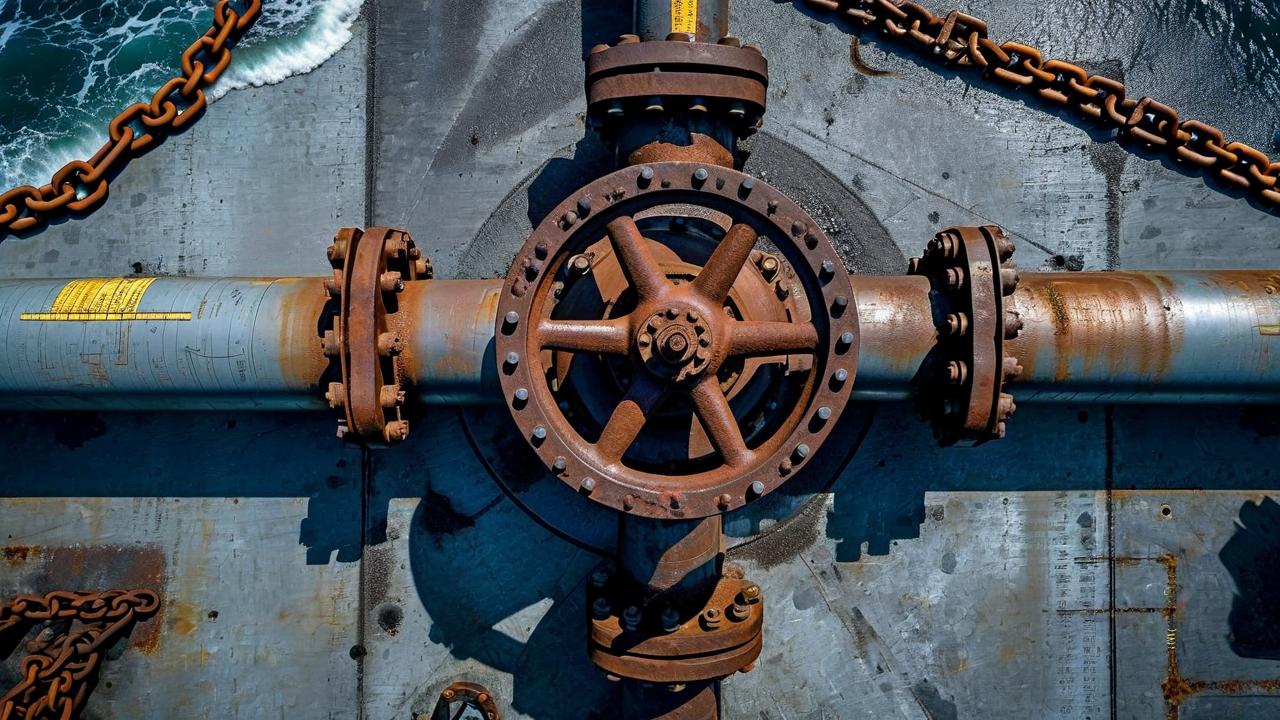

*this image is generated using AI for illustrative purposes only.
Iran’s President Masoud Pezeshkian said Tehran will immediately reciprocate if the United States returns to its commitments under a temporary agreement signed in June.
Pezeshkian made the statement at the Shanghai Cooperation Organisation Summit in Bishkek on Tuesday. He emphasized that war serves no one’s interests and that Iran remains open to a negotiated solution with Washington.
Strait of Hormuz Navigation
Tehran stated it will allow free navigation through the Strait of Hormuz only if Washington fulfills the agreement’s terms. This follows the first direct exchange of attacks between the US and Iran since late July. The US targeted Larak Island, and Iran subsequently launched attacks on two US air bases in Jordan.
Economic Pressure and Sanctions
The statement comes after Iran admitted that US sanctions are causing significant economic distress. Treasury Secretary Scott Bessent warned that Iran’s economy could collapse within weeks or months due to intensified sanctions.
Bessent’s comments expand on Treasury’s Operation Economic Outcast, launched August 24 to disrupt Iran’s financial, oil, shipping and trade networks. He said the US expects to impose new secondary sanctions about weekly, starting with banks.
President Donald Trump ruled out the use of nuclear weapons against Iran. He warned of a forceful response to Tehran’s retaliatory strikes against American forces in Jordan. Trump asserted that Iran had already suffered a decisive military defeat.
Oil Market Reaction
Brent crude oil futures expiring in October were trading 4.64% higher at $92.47 per barrel. WTI crude futures expiring in October were trading 2.88% higher at $88.24 per barrel.

How might the imminent implementation of weekly secondary sanctions under Operation Economic Outcast impact global oil supply chains and insurance premiums for shipping through the Strait of Hormuz?
What specific economic indicators or thresholds will likely signal to US policymakers that Iran's economy is nearing the 'collapse' predicted by Treasury Secretary Bessent, and how would that alter diplomatic leverage?
Could President Trump's explicit ruling out of nuclear weapons usage create a strategic ambiguity that encourages conventional military escalation, or does it serve as a de-escalation signal to regional allies?
 16
16






 Create Custom Screeners
  Access 200+ Pre-built Filters
  Use 50+ Readymade Screener





