Iran's Street Unrest: Economic Analysis of Oil Dependency and Sanctions Impact


Iran faces significant street unrest driven by both structural oil economy challenges and US sanctions impact. The country's hydrocarbon-dependent economy suffers from the resource curse, making other industries uncompetitive and creating high import dependence. US sanctions have severely disrupted oil exports, widening the non-oil deficit and crushing the rial. The economic crisis has evolved beyond cost-of-living concerns to include calls for regime change, with future outcomes potentially shaped by US policy decisions.
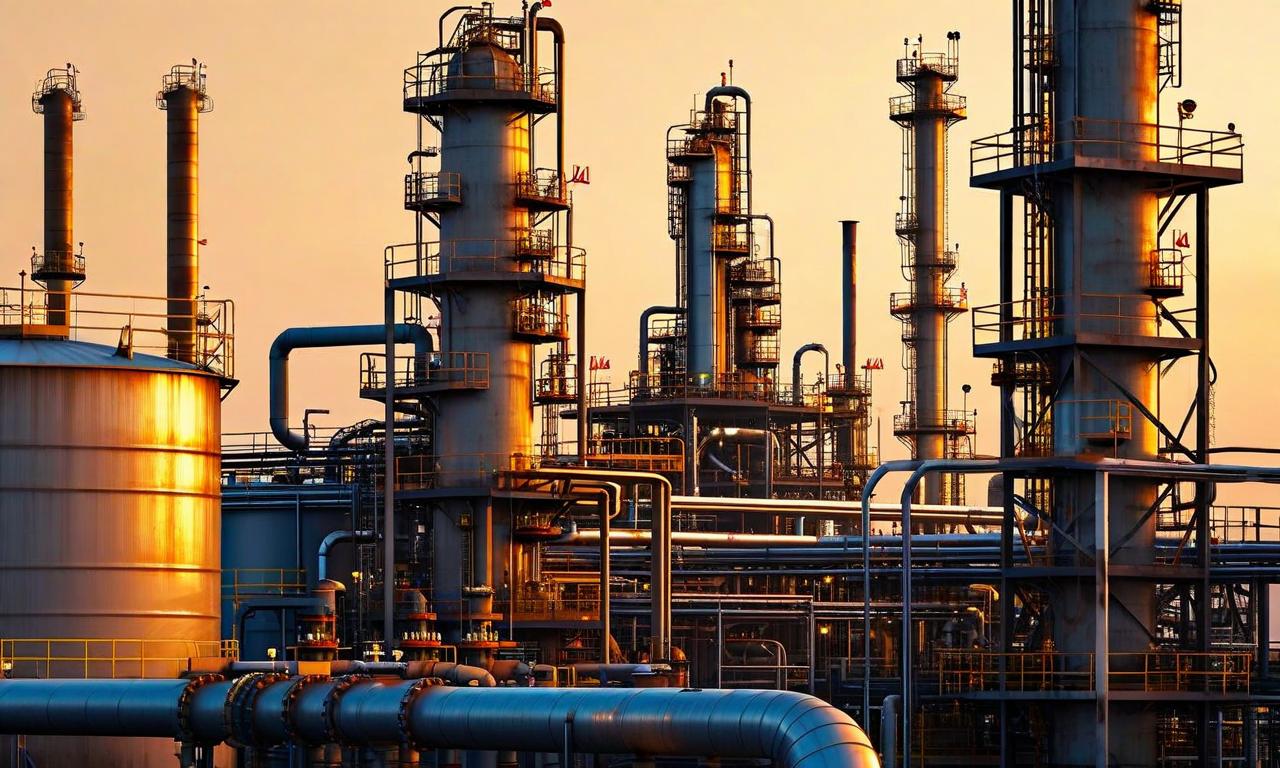

*this image is generated using AI for illustrative purposes only.
Iran is experiencing widespread street unrest that stems from a complex interplay of structural economic challenges and external sanctions pressure. The country's oil-dependent economy faces both long-term systemic issues and immediate crisis conditions that have created significant social and political tensions.
The Oil Economy Challenge
Iran's economy exemplifies the classic "resource curse" that affects many hydrocarbon-rich nations. The country's substantial oil exports have historically provided currency strength, but this advantage has come at a significant cost to economic diversification. The strong currency made other industries unable to compete in international markets, effectively limiting Iran's industrial development beyond the energy sector.
This structural dependency created a problematic economic foundation:
| Economic Impact | Details |
|---|---|
| Currency Effect | Hydrocarbon exports strengthened the rial |
| Industrial Impact | Other industries became uncompetitive abroad |
| Import Dependency | High reliance on imports for household needs |
| Diversification | Limited success in developing non-oil sectors |
Sanctions and Economic Disruption
US sanctions on Iran's oil exports have severely disrupted the country's economic structure. The restrictions have created multiple layers of economic stress that extend far beyond the energy sector. The informal nature of Iran's current hydrocarbon exports makes the actual trade balance difficult to assess, creating additional uncertainty in economic planning.
The sanctions impact has been particularly severe in several areas:
- Trade Balance: Actual figures remain unclear due to informal export channels
- Capital Flows: Significant restrictions on international investment
- Currency Stability: The market rial has experienced substantial devaluation
- Non-oil Deficit: Widening gap in non-hydrocarbon trade balance
Regional Economic Context
The contrast with other regional economies highlights Iran's unique challenges. US-aligned Gulf states have maintained economic stability through dollar pegs, providing currency stability and predictable trade relationships. Iran's economy, however, has been unable to achieve self-sufficiency and faces continued external pressure.
Social and Political Implications
The economic pressures have translated into significant social unrest that extends beyond typical cost-of-living protests. The street demonstrations reflect deeper frustrations with the economic system and have evolved to include calls for fundamental political change. The unrest appears to encompass both immediate economic concerns and broader systemic grievances.
| Unrest Characteristics | Description |
|---|---|
| Economic Focus | Cost of living concerns |
| Political Dimension | Calls for regime change |
| Scope | Widespread street demonstrations |
| Duration | Ongoing social tensions |
Future Outlook Factors
The resolution of Iran's current crisis will likely depend on multiple factors, with US policy decisions playing a potentially significant role. The combination of structural economic challenges and external sanctions has created a complex situation where both domestic reforms and international relations could influence outcomes. The interplay between economic policy, sanctions regimes, and domestic political developments will likely determine how the current unrest evolves.
 17
17