

Iran's Parliament Speaker Claims Enemy's Actions Indicate Desire for New Conflict


Iran's Parliament Speaker has claimed that the enemy's actions indicate a desire for a new conflict. The Speaker further stated that Iran's military has effectively used the ceasefire period to regain its strength. The remarks highlight heightened tensions and a strategic emphasis on military readiness within Iran's political leadership.

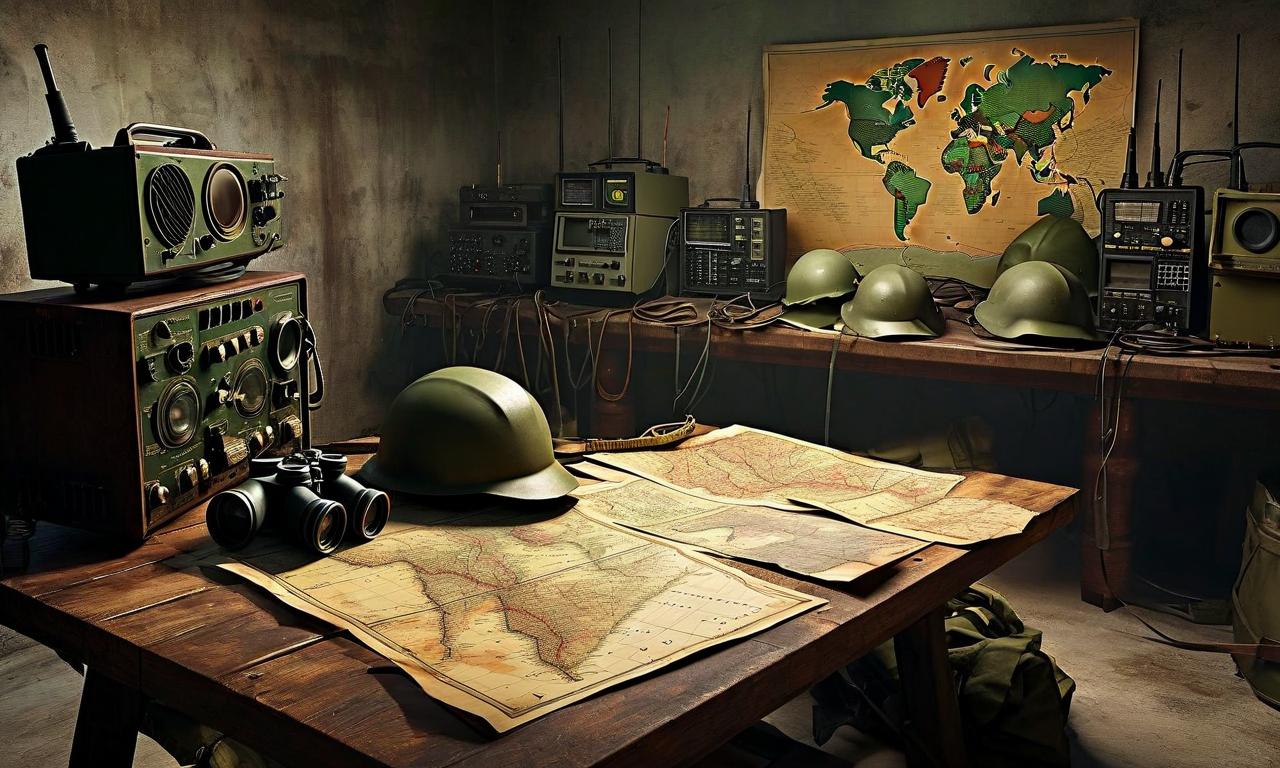

*this image is generated using AI for illustrative purposes only.
Iran's Parliament Speaker has made a pointed assertion regarding regional tensions, claiming that the actions of what he referred to as the enemy signal a desire for a new conflict. The statement reflects a heightened tone in Iran's political discourse surrounding the current security environment.
Military Readiness During Ceasefire
Alongside the warning about potential hostilities, the Parliament Speaker stated that Iran's military has effectively utilized the ceasefire period to regain its strength. The remarks suggest that Iranian leadership views the current pause in hostilities as a strategic opportunity that has been leveraged to bolster military capabilities.
Key Statements at a Glance
The following table summarizes the core claims made by Iran's Parliament Speaker:
| Statement: | Details |
|---|---|
| On Enemy Intent: | Enemy's actions indicate a desire for a new conflict |
| On Military Readiness: | Military has effectively utilized the ceasefire to regain strength |
The dual nature of the Speaker's remarks — simultaneously warning of external aggression while asserting internal military preparedness — underscores the complex security calculus currently at play in the region. No further details, dates, or data points were provided in the source material beyond these two core assertions.

How might Iran's assertion of renewed military readiness influence the likelihood of ceasefire negotiations breaking down in the coming months?
Which regional or global powers could serve as mediators if tensions escalate into open conflict following these statements?
How are neighboring countries and key allies likely to respond diplomatically to Iran's dual signaling of external threat warnings and internal military buildup?
 20
20






 Create Custom Screeners
  Access 200+ Pre-built Filters
  Use 50+ Readymade Screener





