

Trump vs Ghalibaf: Hormuz Fees, Iran Funds, and Agricultural Trade Dispute


Trump declared it unacceptable to impose fees on Strait of Hormuz transit and stated Iran denied seeking tolls or charges. He indicated funds would go toward purchasing U.S. agricultural goods — corn, wheat, and soybeans — for Iran. Iran's Parliament Speaker Ghalibaf directly contradicted this, flatly denying that funds are restricted solely to purchasing grain from American farmers, deepening the public disagreement between the two sides.

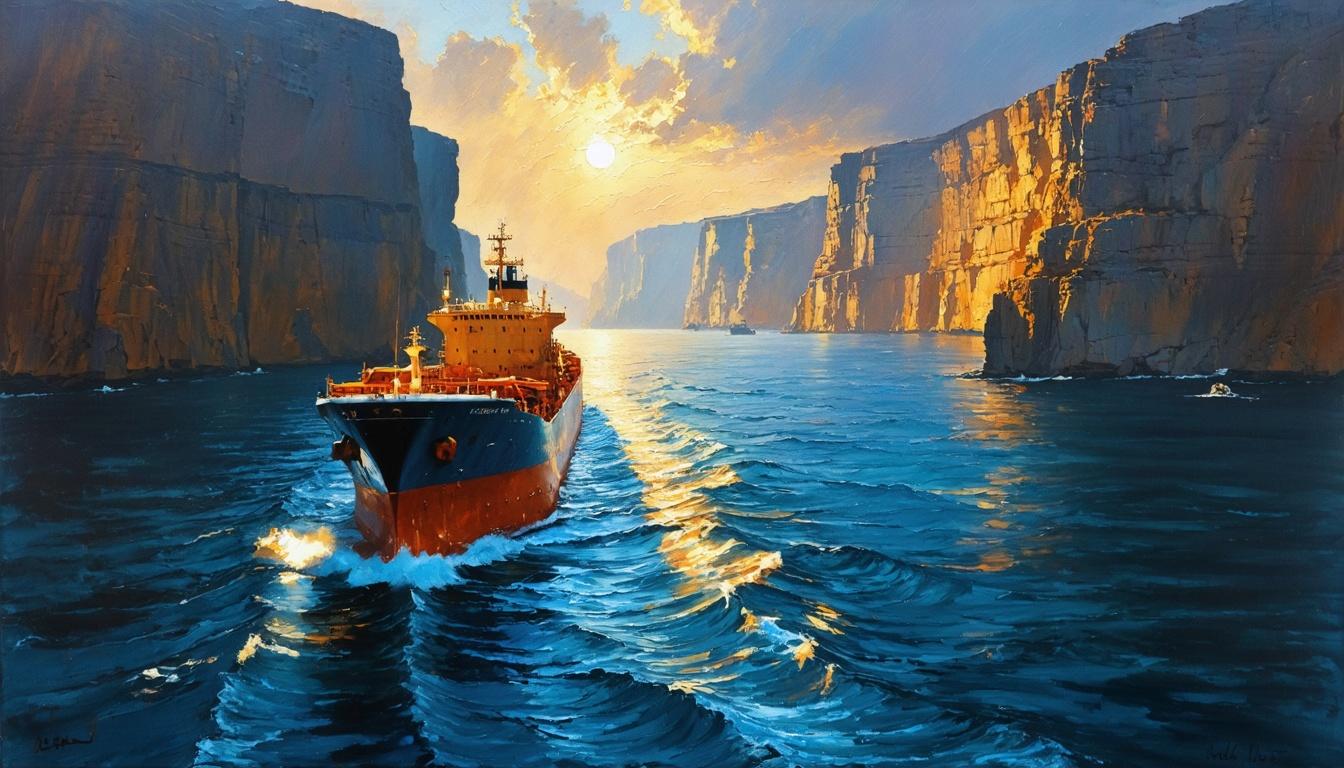

*this image is generated using AI for illustrative purposes only.
President Donald Trump has declared it "unacceptable" to impose fees on ships transiting the Strait of Hormuz, while Iran's Parliament Speaker Mohammad Bagher Ghalibaf has flatly denied that any funds are restricted solely to purchasing grain from American farmers — marking a sharp public contradiction between the two sides on a key financial aspect of ongoing negotiations. Trump stated via social media that Iran had informed the United States it was not seeking or receiving tolls, insurance costs, or any other charges from ships passing through the strait, warning that if this information proved false, negotiations would end immediately. The Strait of Hormuz remains one of the world's most strategically vital maritime passages for global energy shipments, and any restrictions or levies are closely monitored by international shipping and financial markets.
Stance on Strait of Hormuz
Earlier reports from Iran's Fars News Agency had indicated that daily limits were being placed on vessels passing through the Strait of Hormuz, determined by prevailing conditions, though those reports lacked specific details on the nature of those conditions or the number of vessels affected. Trump's statement goes further, characterizing the imposition of any such fees as outright "unacceptable," directly negating the implication of financial burdens or levies associated with transit through the waterway.
| Parameter | Details |
|---|---|
| Source of Statement | President Donald Trump (Social Media) |
| Location | Strait of Hormuz |
| Charges Denied | Tolls, insurance costs, other charges |
| Trump's Characterization | Imposing fees described as "unacceptable" |
| Status of Funds | No money given or released to Iran by U.S. |
| Planned Action | Purchase U.S. agricultural goods for Iran |
Iran's Counter-Position on Fund Restrictions
In a direct rebuttal to Trump's characterization of the financial arrangements, Iran's Parliament Speaker Ghalibaf flatly denied that funds are restricted solely to purchasing grain from American farmers. This counter-statement represents a significant divergence from Trump's earlier remarks, in which he had indicated that any funds under U.S. control would be directed toward purchasing agricultural commodities — specifically corn, wheat, and soybeans — from American farmers and ranchers for Iran, which he described as desperately needing food supplies.
| Claim | Position |
|---|---|
| Trump's Statement | Funds to be used solely for purchasing U.S. corn, wheat, and soybeans for Iran |
| Ghalibaf's Response | Flatly denies funds are restricted solely to purchasing grain from American farmers |
Agricultural Trade and Financial Remarks
On the financial front, Trump reiterated his call for lower interest rates, maintaining his longstanding position on monetary policy. Separately, he indicated that he had made progress in discussions with NATO Secretary General Mark Rutte, though no further details on the substance of those talks were provided. Ghalibaf's denial adds a new layer of complexity to the negotiations, as the two sides now publicly disagree not only on the question of Hormuz transit fees but also on the fundamental terms governing the use of any funds involved in the broader bilateral discussions.
Key Developments at a Glance
| Development | Details |
|---|---|
| Hormuz Transit Fees | Declared "unacceptable" by Trump |
| Interest Rates | Trump reiterated call for lower rates |
| Rutte Discussions | Trump cited progress in talks with NATO chief |
| Iran Agricultural Deal | Corn, wheat, soybeans to be purchased from U.S. farmers (per Trump) |
| Ghalibaf's Denial | Flatly denies funds restricted solely to U.S. grain purchases |

How will this public disagreement impact the likelihood of reaching a final agreement on the release of frozen funds?
What specific mechanisms will be used to verify whether Iran is imposing hidden transit costs on ships in the Strait of Hormuz?
If Iran successfully negotiates unrestricted use of funds, how might that shift the geopolitical leverage in future negotiations?
 15
15






 Create Custom Screeners
  Access 200+ Pre-built Filters
  Use 50+ Readymade Screener





