

Iran rial crashes past 2.2 million to dollar as US blockade halts oil exports


- Iran rial crashes past 2.2 million to the dollar, down from 1 million a year ago
- US forces redirect 86 vessels and strike 3 tankers in oil export blockade
- Official unemployment rises to 9.1% while job numbers fall by 450,000
- Year-on-year inflation hits 87.9% in July; food prices rise nearly double the average
- UAE severs economic ties with Iran after ballistic missile accusations

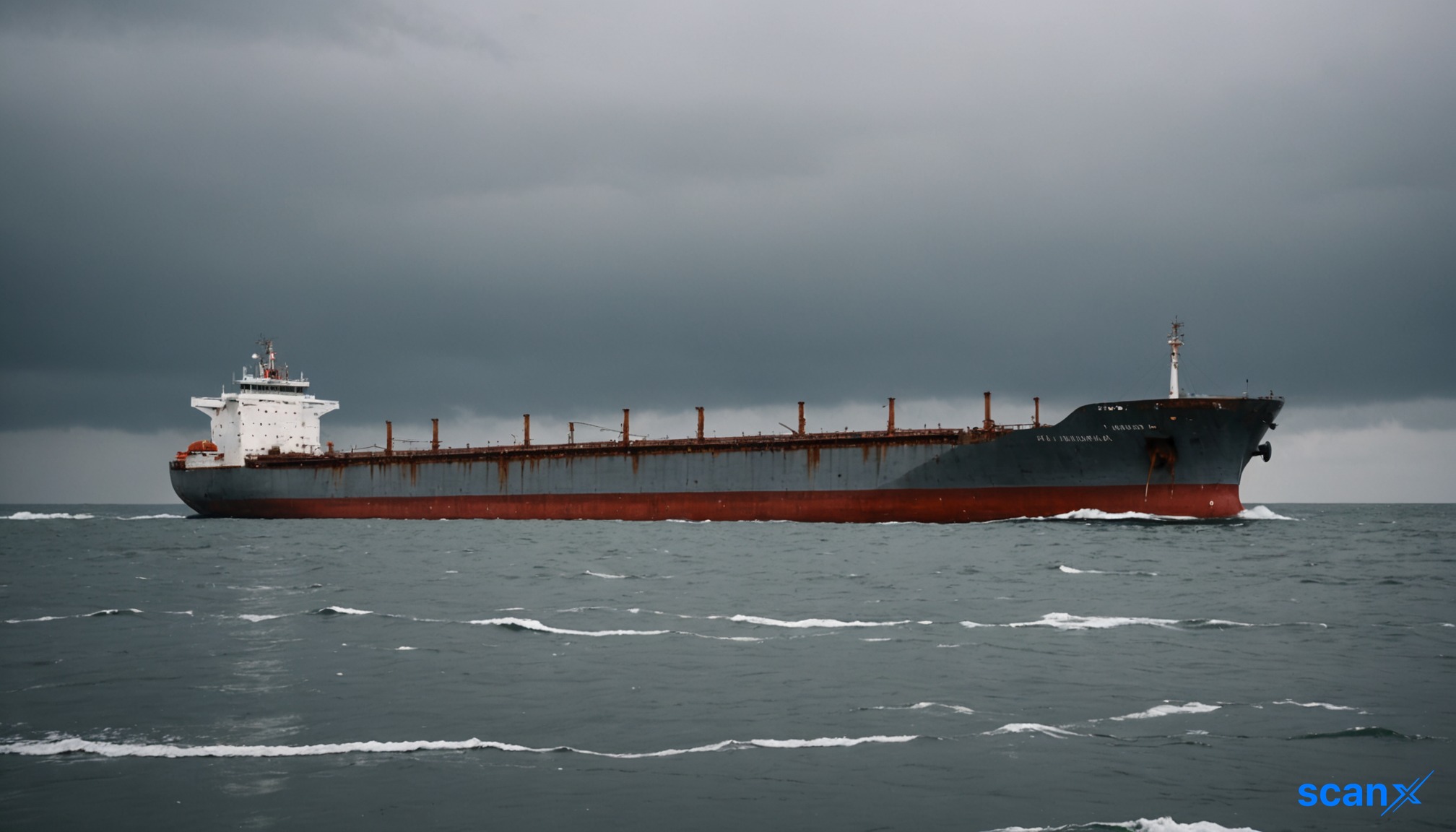

*this image is generated using AI for illustrative purposes only.
Iran’s currency has collapsed to an all-time low against the US dollar, crashing past 2.2 million rials per dollar. This depreciation follows a near-total blockade of Iranian oil exports by the United States military.
The economic pressure intensifies six months into conflict with the US and Israel. President Donald Trump described the campaign as "economic D-Day" for Iran. The White House aims to extract concessions through this financial isolation.
US Military Blockade Holds
As of September 2, US forces redirected 86 commercial vessels from Iran. Central Command (CENTCOM) confirmed that American forces disabled three vessels and boarded two to ensure compliance with the blockade.
CENTCOM also stated that US forces struck three Iranian crude oil tankers. Two were disabled near Kharg Island, Iran’s key export hub. A third was destroyed in the Gulf of Oman.
| Metric | Data Point |
|---|---|
| Vessels Redirected | 86 |
| Vessels Disabled | 3 |
| Vessels Boarded | 2 |
| Tankers Struck | 3 |
Energy industry sources report that Iran has gone seven weeks without shipping meaningful crude exports through the Strait of Hormuz. As of mid-August, at least 41 million barrels of Iranian crude were stuck on vessels inside the Gulf, according to Kpler.
Iranian Economy in Freefall
Official unemployment rose to 9.1% in the spring. The number of those in work fell by about 450,000 from a year earlier.
Inflation remains high. Official figures put 12-month average inflation at 69.9%. Food, beverages and tobacco prices rose at nearly twice that rate. Year-on-year inflation reached 87.9% in July, Bloomberg reported.
The currency crash has exacerbated pre-existing pain. The rial was at 1 million to the dollar a year ago. This volatility triggered mass protests in January, which were met with a deadly state crackdown.
Sanctions Expand Further
The Trump administration launched Operation Economic Outcast in late August. Treasury Secretary Scott Bessent promised to cut off financial channels keeping Iran’s government afloat.
US Secretary of State Marco Rubio instructed diplomats to tell host countries they must "systematically identify and sever" ties to Iran. He said branches of Iranian banks must shut down immediately.
The US Treasury Department announced it was targeting a Turkish bank and its subsidiaries. These entities allegedly serve as "critical financial lifelines" to Iran.
Partners Join US
Treasury Secretary Bessent said the US has seen "great support around the world" for its campaign. CNBC reported that the European Union has formally joined the US-led sanctions campaign.
However, the European Commission’s statement stopped short of committing to new sanctions or aligning with US designations.
Regional partners are shifting posture. The UAE severed its economic ties with Iran in August. It accused Tehran of firing ballistic missiles at its territory. The UAE had served as a key intermediary for Western goods and a financial hub for Iranian businesses.
What the Numbers Show
The divergence between inflation rates highlights severe cost-of-living pressures. While overall inflation stands at 69.9%, food, beverages and tobacco prices are rising at nearly twice that rate. This suggests that essential goods are becoming disproportionately unaffordable for the population, potentially driving social unrest beyond general economic dissatisfaction.

How might the diversion of 41 million barrels of crude oil impact global energy prices and supply chain stability in the coming quarters?
What are the potential geopolitical risks if Iran seeks to bypass the blockade by increasing illicit trade with non-aligned nations or using alternative shipping routes?
Could the collapse of the rial and soaring food inflation trigger a new wave of domestic unrest that challenges the Iranian government's stability despite current crackdowns?
 16
16





 Access 50+ Readymade Screeners
  Use 200+ Custom Filters
  Get Full Market Insights





