

Iran-US Hormuz Standoff: Bessent Rejects Tolls, Demands Full Strait Access


US Treasury Secretary Bessent has firmly rejected any plan to toll the Strait of Hormuz, calling it a 'non-starter' and insisting on full openness as a precondition for any Iran deal, while warning that American patience 'isn't forever' as Omani-mediated talks continue. Iran's Persian Gulf Strait Authority has established a controlled maritime zone requiring vessel authorization, with Iranian official Amin-Nejad demanding payment for the strait's reopening and Iran-Oman toll discussions ongoing. Iran's State TV has separately reported a draft unofficial MOU framework under which Iran would restore commercial transit to pre-war levels within one month in exchange for US military withdrawal and removal of the naval blockade.

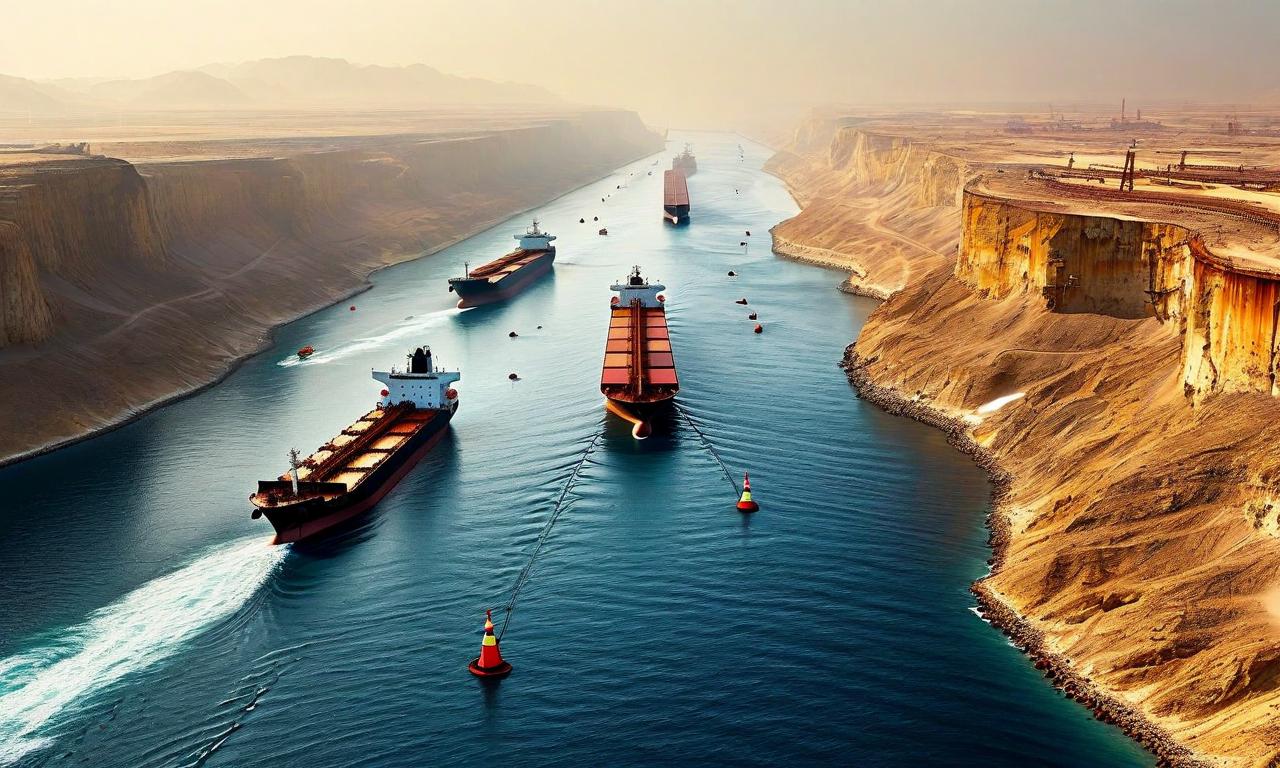

*this image is generated using AI for illustrative purposes only.
Iran's Persian Gulf Strait Authority has announced the establishment of a "controlled maritime zone" covering key entry and exit points of the Strait of Hormuz, the critical waterway situated between Iran and the UAE. Iranian official Amin-Nejad stated that countries must pay for the reopening of the strait, while Iran and Oman are reported to be in discussions over setting up a permanent toll mechanism at Hormuz, according to an Iranian envoy. Iran's State TV further reports that a draft initial unofficial framework for a Memorandum of Understanding (MOU) with the US has been drawn up, under which Iran has committed to restoring commercial transit through the strait to pre-war levels within one month, and US forces are to leave the area near Iran and remove the naval blockade. However, US Treasury Secretary Bessent has firmly pushed back, calling any plan to toll the waterway a "non-starter" and insisting the strait must be fully open as a prerequisite for any deal.
US Position: Full Openness Non-Negotiable
US Treasury Secretary Bessent has stated that any Iran deal requires the Strait of Hormuz to be fully open, categorically rejecting any proposal to impose shipping tolls on the critical energy route. Bessent warned that American patience "isn't forever" as negotiations continue through Omani mediators. He further indicated that the US will continue defensive actions in Iran if necessary. Bessent also disclosed that President Trump has three conditions for an Iran deal, though he declined to detail them, adding that nothing is on the table until the Strait of Hormuz is reopened. Notably, Omani officials have assured the US that there are no plans to impose shipping tolls through the waterway.
The key parameters of the US stance are outlined below:
| Parameter: | Details |
|---|---|
| US Spokesperson: | Treasury Secretary Bessent |
| Core Requirement: | Strait of Hormuz must be fully open for any deal |
| Toll Stance: | Any plan to toll the waterway is a "non-starter" |
| Military Posture: | US will continue defensive actions in Iran if necessary |
| Negotiation Channel: | Omani mediators |
| Omani Assurance: | No plans to impose shipping tolls |
| Trump's Conditions: | Three conditions stated; details not disclosed |
Mandatory Authorization and Toll Demands
Under the directive, all vessels transiting through the Strait of Hormuz are required to seek coordination and obtain authorization from the Persian Gulf Strait Authority prior to transit. Amin-Nejad has publicly declared that access to the strait carries a financial cost for countries seeking its reopening. Simultaneously, talks between Iran and Oman regarding a permanent toll structure signal a potential formalization of revenue collection from one of the world's most strategically vital shipping lanes.
The key parameters of the controlled maritime zone are outlined below:
| Parameter: | Details |
|---|---|
| Announcing Authority: | Iran's Persian Gulf Strait Authority |
| Zone Coverage: | Key entry and exit points of the Strait of Hormuz |
| Geographic Scope: | Between Iran and the UAE |
| Vessel Requirement: | Coordination and authorization from the Authority |
| Applicability: | All vessels transiting for passage purposes |
| Latest Statement: | Amin-Nejad — countries must pay for reopening the strait |
| Toll Discussions: | Iran and Oman in talks over a permanent toll at Hormuz |
Iran-US Draft MOU Framework
Iran's State TV has reported the existence of a draft initial unofficial framework for an MOU between Iran and the US. Under the terms of this draft agreement, Iran has committed to restoring the number of commercial transit ships through the Hormuz Strait to pre-war levels within one month. Iran's State TV has clarified that military vessels are not included in this draft agreement. In a reciprocal arrangement, US military forces are to withdraw from the vicinity of Iran and lift the naval blockade, according to Iran's State TV citing the draft MOU.
The key terms of the reported draft MOU framework are summarized below:
| Parameter: | Details |
|---|---|
| Agreement Type: | Draft initial unofficial MOU framework |
| Parties Involved: | Iran and the US |
| Iran's Commitment: | Restore commercial transit ships to pre-war levels within one month |
| Vessel Exclusion: | Military vessels not included in the draft agreement |
| US Commitment: | Withdrawal of military forces from vicinity of Iran and lifting of naval blockade |
| Source: | Iran's State TV |
Implications for Global Energy Shipping
The Strait of Hormuz serves as a critical conduit for international maritime trade and global energy supply chains. The introduction of mandatory authorization for transiting vessels had already heightened concerns among stakeholders monitoring energy logistics. The additional demand for payment to reopen the strait, coupled with Iran-Oman toll negotiations, represents a further escalation that could materially affect the operational and financial conditions governing passage through the waterway. Bessent's unequivocal rejection of tolls and insistence on full openness as a precondition, alongside Omani assurances against tolls, introduces a sharp diplomatic counterpoint to Iran's stated demands, underscoring the complexity of ongoing negotiations at one of the world's most strategically significant maritime chokepoints.
Key Highlights
- US Treasury Secretary Bessent calls any plan to toll the Strait of Hormuz a "non-starter"
- Bessent insists the strait must be fully open as a prerequisite for any Iran deal
- The US will continue defensive actions in Iran if necessary
- American patience "isn't forever" as negotiations proceed through Omani mediators
- President Trump has three conditions for an Iran deal; details not disclosed
- Omani officials assured the US there are no plans to impose shipping tolls
- Iran's Persian Gulf Strait Authority declared a controlled maritime zone at the Strait of Hormuz
- Amin-Nejad states countries must pay for the reopening of the strait
- Iran and Oman are in discussions over establishing a permanent toll at Hormuz
- Iran's State TV reports a draft initial unofficial MOU framework has been drawn up with the US
- Iran commits to restoring commercial transit ships to pre-war levels within one month under the draft MOU
- Military vessels are excluded from the draft agreement
- US military forces to withdraw from the vicinity of Iran and lift the naval blockade per the draft MOU terms

How will the US respond militarily if Iran enforces the controlled maritime zone authorization without lifting the blockade?
What specific impact will the diplomatic rift over tolls have on global oil prices in the coming weeks?
Will Oman's mediation role be compromised if Iran proceeds with the permanent toll mechanism despite Omani assurances?
 15
15






 Access Market Heat-map & Insights
  Create, Save & Share your Screener
  Use 200+ Screening Filters





