India-Iran Trade Relations Face Scrutiny Amid US Tariff Threats


India's trade with Iran totals ₹1.68 billion in FY25, with imports of ₹441.83 million (0.06% of total) and exports of ₹1.24 billion (0.28% of total). Despite modest overall volumes, Iran accounts for 35-50% of India's imports in specific categories like nuts and calcined plasters, while absorbing 20-75% of Indian exports in specialized products including laminated glass and pharmaceutical extracts. This concentrated trade relationship faces scrutiny following Trump's announcement of potential 25% tariffs on countries doing business with Iran, adding complexity to ongoing India-US trade discussions.
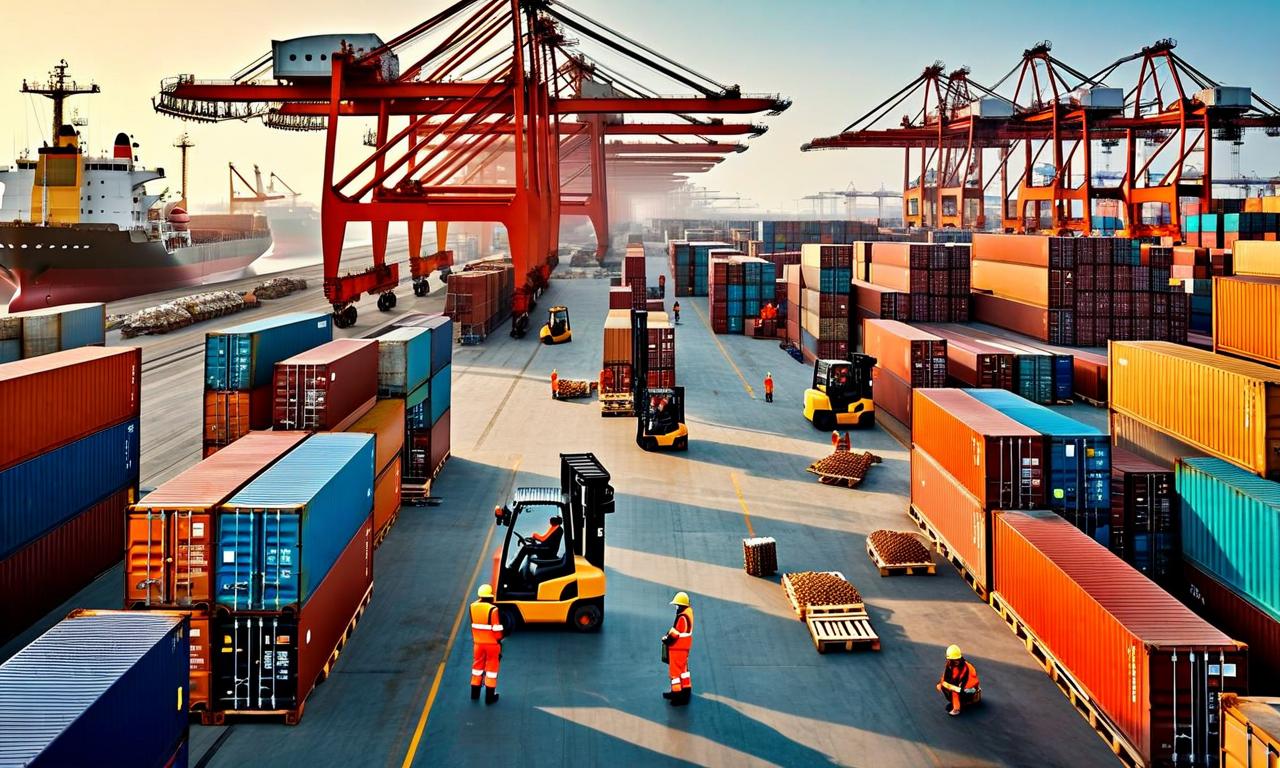

*this image is generated using AI for illustrative purposes only.
India's trade relationship with Iran has come under renewed focus following recent tariff warnings from the United States, despite the relatively modest scale of bilateral commerce between the two nations. The trade dynamics reveal a complex picture where overall volumes remain small but concentration in specific product categories creates notable dependencies.
Trade Volume Overview
India's commercial engagement with Iran in FY25 demonstrates the limited but focused nature of bilateral trade relations. The following table illustrates the scale of this economic relationship:
| Trade Direction: | Value | Share of Total Trade |
|---|---|---|
| Imports from Iran: | ₹441.83 million | 0.06% of total imports |
| Exports to Iran: | ₹1.24 billion | 0.28% of total exports |
| Total Bilateral Trade: | ₹1.68 billion | - |
Import Dependencies and Product Concentration
While India's overall import dependence on Iran remains minimal, the country shows significant reliance on Iranian supplies for specific product categories. Iran serves as a crucial supplier for several niche products, accounting for 35% to 50% of India's imports in these segments during FY25.
Key import categories from Iran include:
- Calcined plasters
- Shelled almonds (fresh or dried)
- Shelled walnuts (fresh or dried)
These concentrated supply lines represent potential vulnerabilities despite the low overall import share, making these trade channels particularly sensitive to policy changes.
Export Market Concentration
India's export profile to Iran reveals even higher concentration levels, with Iranian markets absorbing between 20% and 75% of India's exports in specific categories during FY25. This dependency spans across diverse industrial sectors:
| Product Category: | Market Share |
|---|---|
| Laminated safety glass | 20-75% of exports |
| Soft drinks (excluding sharbat) | 20-75% of exports |
| Rosin and resin acids | 20-75% of exports |
| Pharmaceutical extracts | 20-75% of exports |
| Cotton combing machines | 20-75% of exports |
| Phenol/carbolic acid | 20-75% of exports |
US Policy Implications
The trade relationship has gained prominence following Trump's announcement of potential 25% tariffs on goods from countries conducting business with Iran. The tariff threat, which would apply to business conducted with the United States and take effect immediately, targets Iran's trade partners including major economies such as India, Turkey, and China.
This development adds another layer of complexity to India-US trade relations, which are already navigating challenges related to US tariffs of up to 50% on Indian goods linked to Russian oil purchases. Both countries have been engaged in ongoing discussions aimed at securing tariff relief, with India-US trade talks scheduled to resume as both nations work to address these multilateral trade tensions.
 17
17