

India invited to join US-led Pax Silica alliance as trade negotiations continue


The US has invited India to join Pax Silica, a strategic silicon supply chain alliance, while both countries continue active trade negotiations. Despite bilateral trade reaching $131.84 billion in 2024-25, Indian exports faced challenges from US tariffs reaching 50%, causing exports to drop from $8.8 billion in May to $5.5 billion in September before showing recovery signs. The alliance includes Japan, South Korea, UK, and Israel, focusing on critical minerals, semiconductors, and AI development to counter China's technological dominance.

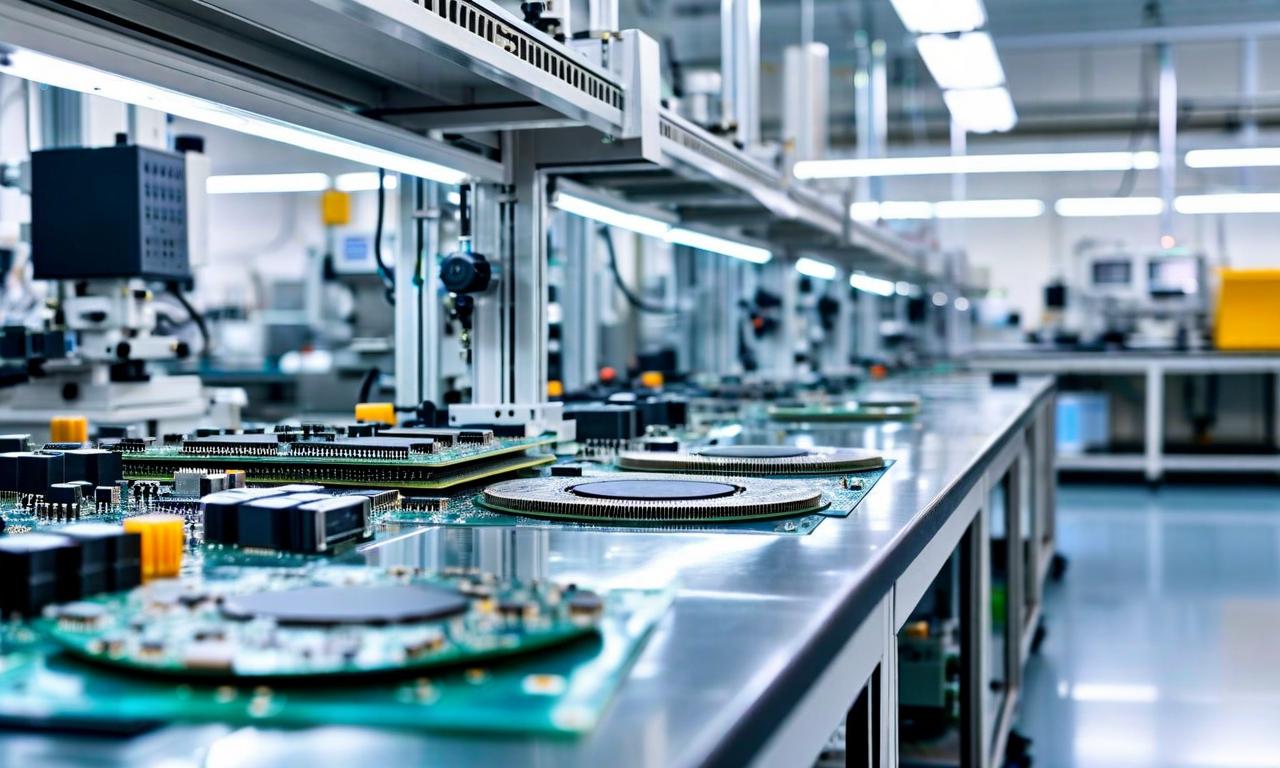

*this image is generated using AI for illustrative purposes only.
The United States has extended an invitation to India to join Pax Silica, a strategic alliance aimed at building secure silicon supply chains, as both nations continue active engagement on a comprehensive trade deal. US Ambassador to India Sergio Gor announced the development during his first address after taking charge in New Delhi, emphasizing the strengthening partnership between the world's two largest democracies.
Trade Negotiations Gain Momentum
Both countries are actively pursuing trade negotiations, with the next round scheduled for Tuesday. "Both sides continue to actively engage. In fact, the next call on trade will occur tomorrow. Remember, it is the world's largest nation; so it's not an easy task to get this across the finish line, but we are determined to get there," Gor stated. The negotiations have gained significance following US Trade Representative Jamieson Greer's acknowledgment on December 9, 2025, that India had put forward the "best offer the US has ever received."
| Trade Parameter: | Value/Details |
|---|---|
| Bilateral Trade 2024-25: | $131.84 billion |
| US Position: | India's largest trading partner (4th consecutive year) |
| Next Negotiation Round: | Tuesday |
| India's Trade Offer Status: | "Best offer the US has ever received" |
Tariff Impact on Export Performance
Indian exports to the US have experienced significant volatility due to escalating tariffs that reached 50% by August. The impact became evident through monthly export data, showing initial resilience followed by sharp declines and subsequent recovery signs.
| Month: | Export Value | Tariff Level | Key Development |
|---|---|---|---|
| April: | $8.40 billion | 10% | Initial tariff implementation |
| May: | $8.80 billion | 10% | Exports maintained growth |
| August: | $6.80 billion | Rising to 50% | Clear tariff impact visible |
| September: | $5.50 billion | 50% | Lowest level of the year |
| October: | $6.30 billion | 50% | Recovery signs emerge |
| November: | $6.90 billion | 50% | Continued adjustment |
Despite these challenges, India's overall goods exports demonstrated resilience, reaching $38.13 billion in November 2025, marking the highest November figure in the past decade.
Pax Silica Alliance Expansion
The Pax Silica initiative represents a strategic US-led effort to establish secure and innovation-driven silicon supply chains spanning critical minerals, energy inputs, advanced semiconductor manufacturing, AI development, and logistics. "Today, I'm pleased to announce that India will be invited to join this group of nations as a full member next month," Gor announced.
| Alliance Details: | Information |
|---|---|
| Launch Date: | Last month |
| Current Members: | Japan, South Korea, UK, Israel |
| India's Status: | Full membership invitation for next month |
| Focus Areas: | Critical minerals, semiconductors, AI, logistics |
| Strategic Purpose: | Counter China's dominance in critical technologies |
Strategic Partnership Framework
Ambassador Gor emphasized the multifaceted nature of US-India cooperation, extending beyond trade to encompass security, counter-terrorism, energy technology, education, and health sectors. He highlighted the personal relationship between Prime Minister Narendra Modi and President Donald Trump, stating, "I can attest that his friendship with Prime Minister Modi is real."
The ambassador characterized the Indo-US relationship as potentially "the most consequential global partnership of this century," noting that "no partner is more essential than India." Recent diplomatic developments have included meetings between US deputy trade representative Rick Switzer and India's commerce secretary Rajesh Agarwal on December 10 to advance negotiations.
Looking Ahead
The alliance gains particular significance as major economies seek to diversify global supply chains and reduce dependence on China-dominated critical and emerging technologies. With India's invitation to join Pax Silica and continued trade negotiations, both nations appear committed to deepening their strategic partnership despite recent diplomatic tensions and tariff-related challenges in bilateral trade.
 18
18






 Create Custom Screeners
  Access 200+ Pre-built Filters
  Use 50+ Readymade Screener





