

Hunter Nation hails Trump order to delist gray wolf from ESA


- Executive order initiates delisting of gray and Mexican wolves from ESA
- Wolf populations exceed recovery thresholds by more than tenfold in key areas
- Departments of Interior and Agriculture to update rancher compensation standards
- Hunter Nation calls the move a historic victory for rural America

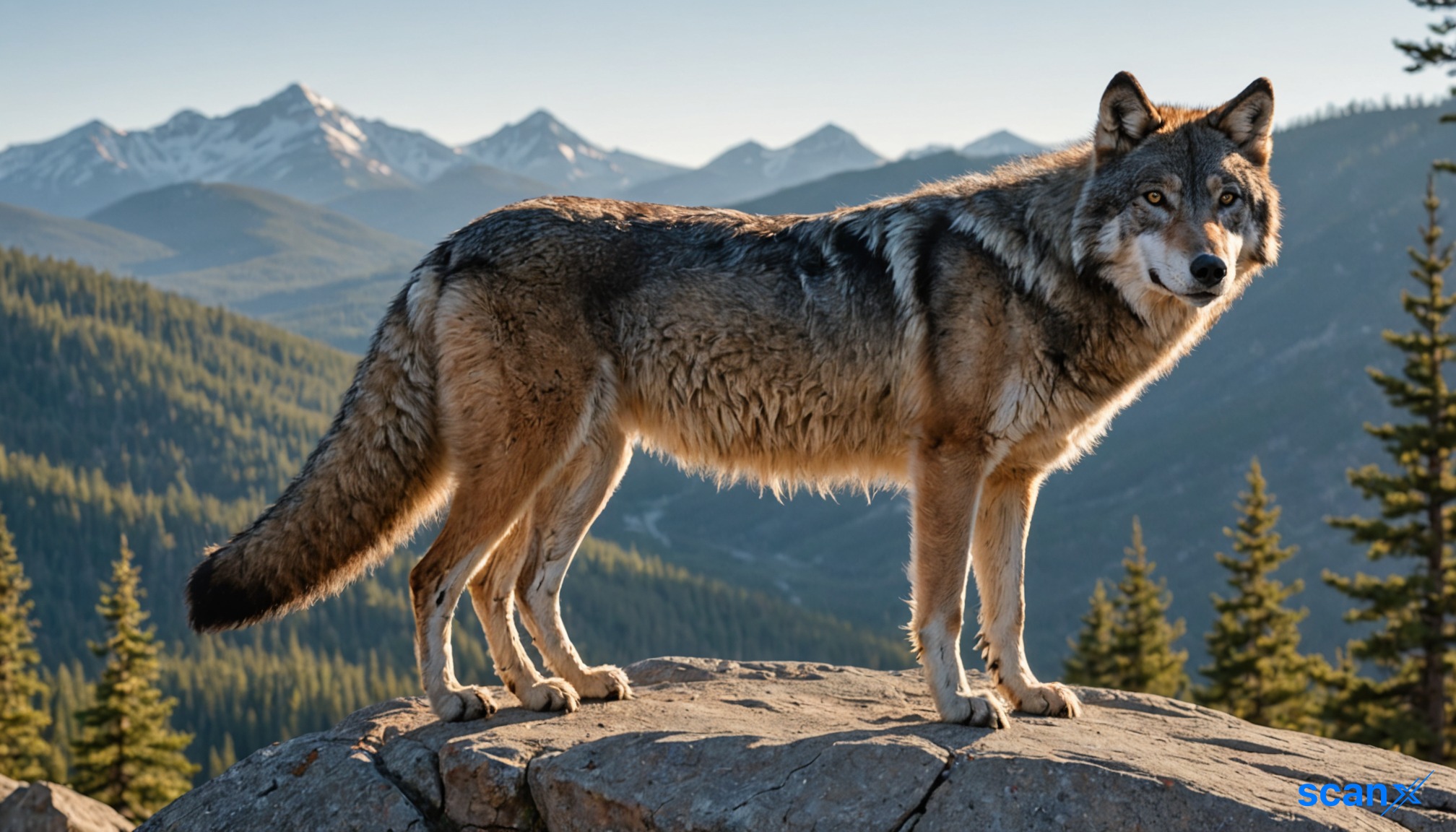

*this image is generated using AI for illustrative purposes only.
Hunter Nation Inc. celebrated President Donald J. Trump’s executive order initiating the delisting of the gray and Mexican wolf from the Endangered Species Act. The directive marks a policy shift toward state-led wildlife management.
Issued on Sept. 4, 2026, the order directs the Department of the Interior to determine if the species meet criteria for delisting or downlisting. It cites biological data showing gray wolf populations have exceeded federal recovery thresholds in key areas by more than tenfold.
Policy Directives
The executive order outlines specific regulatory changes aimed at balancing conservation with rural livelihoods:
- Delisting Process: The Department of the Interior must begin the process to remove or downlist the gray and Mexican wolf under the Endangered Species Act.
- Rancher Compensation: The Departments of the Interior and Agriculture are directed to update standards for compensating ranchers for predator losses.
- Lethal Removal: Authorization for lethal removal of wolves will be eased when necessary to protect livestock and safety.
Stakeholder Response
Keith Mark, Founder and CEO of Hunter Nation, described the action as a historic victory for hunters and rural communities. He stated the order restores the North American Model of Wildlife Conservation and returns management authority to states.
Ted Nugent, a Hunter Nation board member, added that the move aligns federal policy with sound biological data and respects those living closest to the land.
What the Numbers Show
The source highlights a significant divergence between population metrics and recovery goals. Gray wolf populations in the Great Lakes and American West have surged past initial targets, exceeding historical recovery goals by more than tenfold in key regions. This surplus is cited as the primary driver for the proposed regulatory change.

How might the shift to state-led wolf management impact insurance premiums and operational costs for rural ranching businesses?
What are the projected economic implications for outdoor recreation and hunting tourism industries following the delisting of gray and Mexican wolves?
How could this regulatory change influence federal-state relations and potential legal challenges from environmental advocacy groups in the coming fiscal year?
 15
15






 Access Market Heat-map & Insights
  Create, Save & Share your Screener
  Use 200+ Screening Filters





