

House passes Ratepayer Protection Act to shield Americans from AI data center power costs


- House passed Ratepayer Protection Act 417-3 to shield residential ratepayers from AI infrastructure costs
- Bill targets nonresidential data centers with peak demand of at least 100 megawatts
- EIA forecasts US electricity sales to reach 4,135 billion kWh in 2026 and 4,211 billion kWh in 2027
- DOE estimates data center consumption could rise from 4.4% in 2023 to 6.7%-12% by 2028
- Major tech firms including Alphabet, Microsoft, and Amazon pledged to cover grid upgrade costs

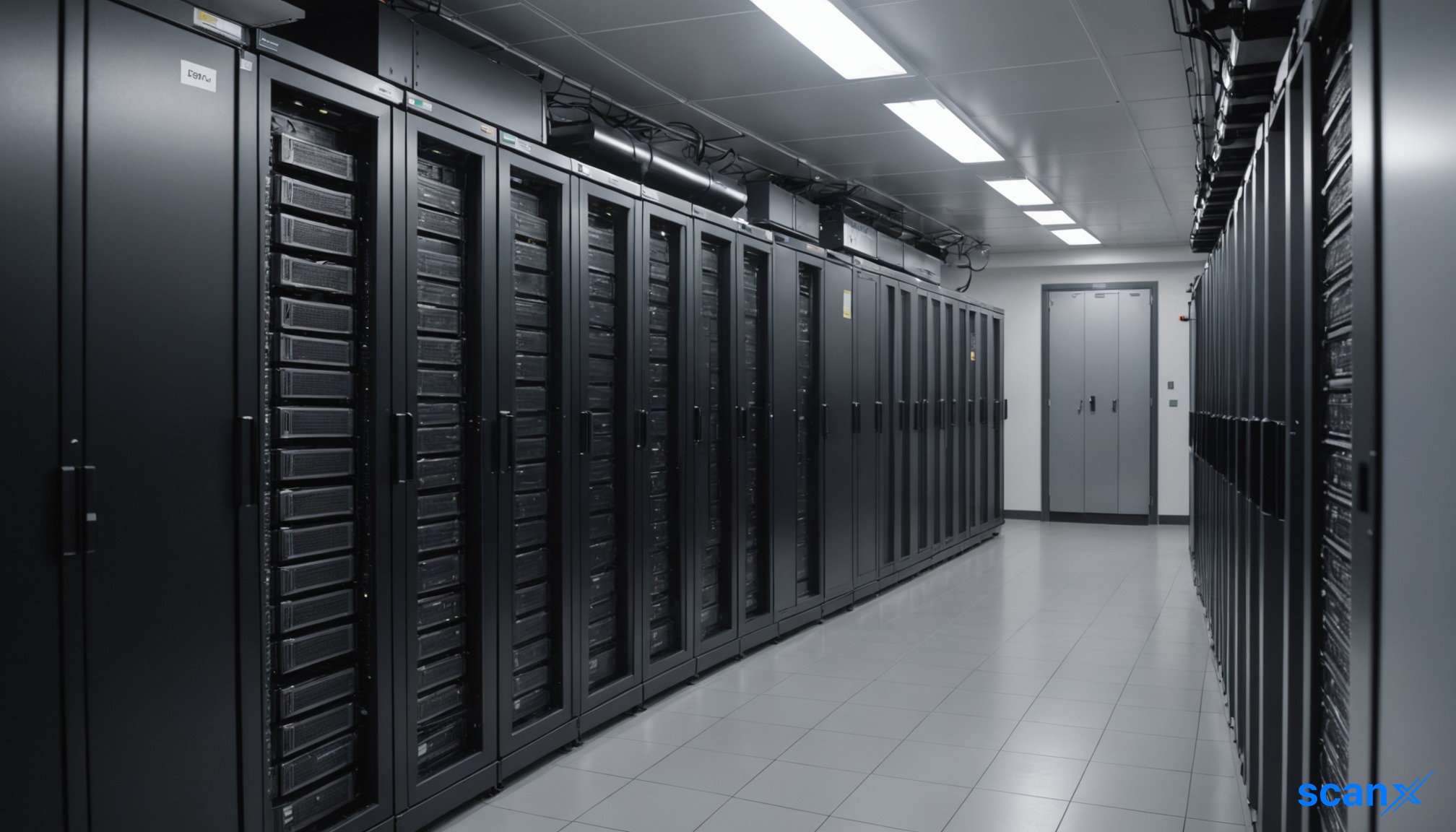

*this image is generated using AI for illustrative purposes only.
The US House of Representatives passed the Ratepayer Protection Act on Wednesday with a vote of 417-3. The bipartisan legislation aims to prevent residential consumers from bearing the infrastructure costs associated with rising electricity demand from AI data centers.
Sponsored by Reps. Gabe Evans (R-Colo.) and Kathy Castor (D-Fla.), the bill requires utilities to consider rates for large-load customers that recover the costs of upgrading the electricity system needed to serve them. The Congressional Budget Office noted the proposal applies to nonresidential data centers with a peak demand of at least 100 megawatts at one facility.
Regulatory Framework and State Authority
The legislation does not mandate a nationwide rate structure. Instead, it permits state commissions to adopt or reject the federal standards. Rep. Evans stated that growth cannot be accelerated at the expense of Americans paying their electric bills. Speaker Mike Johnson said the bill strikes a balance between protecting local communities and maintaining America's position in AI development.
Rising Electricity Demand and Data Center Impact
Electricity demand is accelerating due to data-center development and manufacturing. The Energy Information Administration expects US electricity sales to reach 4,135 billion kilowatt-hours in 2026 and 4,211 billion kWh in 2027. Department of Energy research estimated data centers consumed 4.4% of US electricity in 2023. Projections indicate this share could rise to between 6.7% and 12% by 2028.
| Metric | Value | Source/Context |
|---|---|---|
| 2026 Electricity Sales Forecast | 4,135 billion kWh | EIA |
| 2027 Electricity Sales Forecast | 4,211 billion kWh | EIA |
| 2023 Data Center Consumption | 4.4% of US total | DOE |
| 2028 Data Center Consumption Estimate | 6.7% to 12% | DOE |
Industry Pledges and Public Concern
The administration launched a voluntary Ratepayer Protection Pledge in March. Major technology firms including Alphabet Inc., Microsoft Corp., Meta Platforms Inc., Oracle Corp., OpenAI, xAI, and Amazon.com Inc. agreed to build, bring, or buy new power and cover grid upgrades tied to their data centers. The White House reported in July that more than 200 additional utilities, developers, cooperatives, and states had joined the pledge.
Public concern remains high regarding the impact of data centers on resources. An AP-NORC and University of Chicago poll found nearly two-thirds of Americans were extremely or very concerned about data centers raising energy prices. Additionally, 57% expressed similar concern about water use.

How might the decentralized nature of this legislation, which leaves rate structures to state commissions, create regulatory fragmentation for national tech companies?
Will the voluntary Ratepayer Protection Pledge remain sufficient to address grid strain as data center electricity consumption potentially doubles by 2028?
Could the implementation of cost-recovery mechanisms for large-load customers discourage AI infrastructure investment in states with strict regulatory environments?
 18
18





 Access 50+ Readymade Screeners
  Use 200+ Custom Filters
  Get Full Market Insights





