Hezbollah Claims Iran Will Only Finalize Nuclear Deal with U.S. if Israel Withdraws from Lebanon

1 min read     Updated on 16 Jun 2026, 07:46 PM
scanx
Reviewed by
Shriram SScanX News Team
AI Summary

Hezbollah's media relations office has claimed that Iran will only finalize a nuclear deal with the United States if Israel withdraws from Lebanon. The statement directly links Iran's nuclear diplomacy with regional military developments in Lebanon. The claim originates solely from Hezbollah's media relations office and has not been independently verified through official Iranian government sources based on available information.

powered bylight_fuzz_icon
43164966

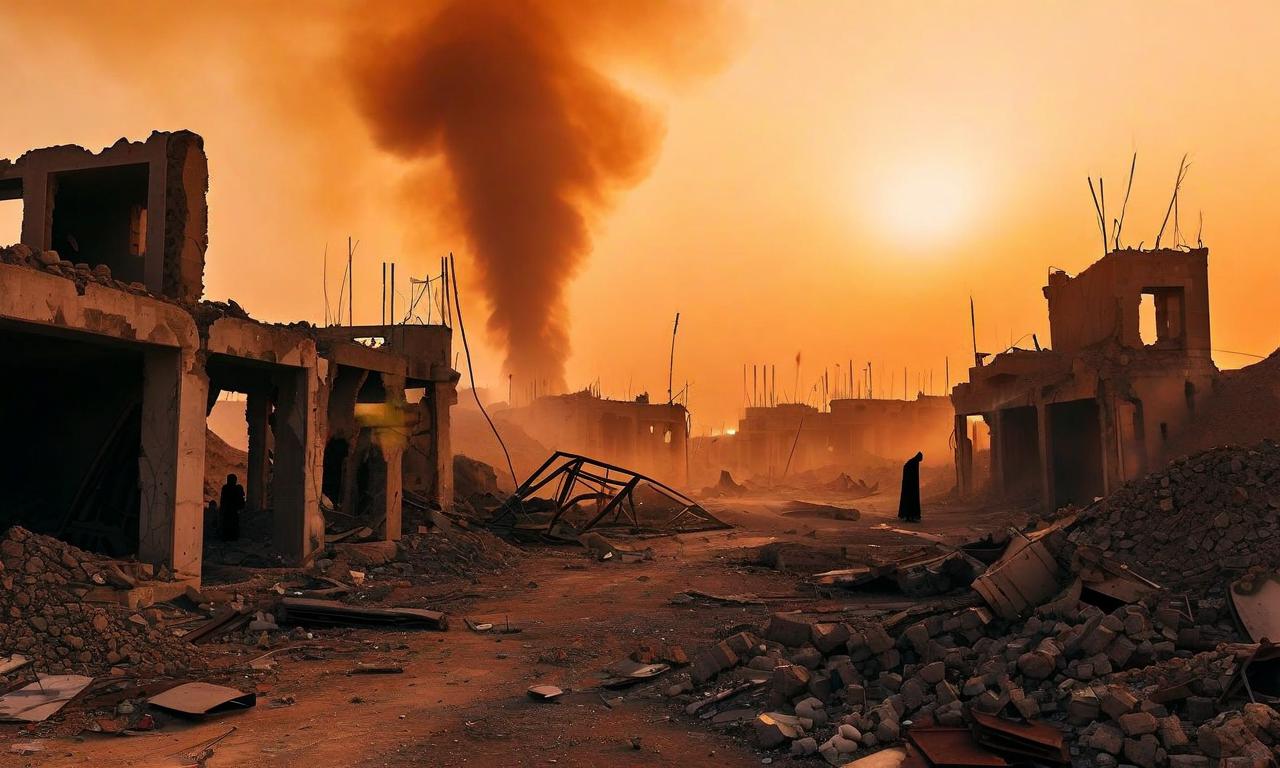
*this image is generated using AI for illustrative purposes only.

Hezbollah's media relations office has put forward a significant claim, asserting that Iran will only finalize a nuclear deal with the United States if Israel withdraws from Lebanon. The statement introduces a direct geopolitical linkage between two separate and ongoing international developments — nuclear diplomacy and regional military presence.

Hezbollah's Statement on Nuclear Negotiations

According to Hezbollah's media relations office, Iran's willingness to conclude a nuclear agreement with the U.S. is contingent upon an Israeli withdrawal from Lebanese territory. The claim, attributed specifically to Hezbollah's media relations office, frames the nuclear negotiations as inseparable from broader regional security conditions.

Parameter: Details
Source of Claim: Hezbollah's Media Relations Office
Condition Stated: Israeli withdrawal from Lebanon
Subject of Condition: Iran-U.S. nuclear deal finalization

Geopolitical Context

The statement ties together two distinct geopolitical tracks — the diplomatic process surrounding Iran's nuclear program and the military situation in Lebanon involving Israeli forces. By linking these two issues, Hezbollah's media relations office presents Iran's nuclear diplomacy as conditional on developments in the Lebanese theater. The claim has not been independently verified through official Iranian government channels based on the available information.

Key Takeaways

  • The claim originates from Hezbollah's media relations office
  • Iran's nuclear deal finalization with the U.S. is said to be contingent on Israeli withdrawal from Lebanon
  • The statement connects nuclear diplomacy directly to regional military developments
  • No independent verification from Iranian official sources is referenced in the available information

The assertion, as communicated by Hezbollah's media relations office, underscores the complex and interconnected nature of Middle Eastern geopolitics, where nuclear negotiations and regional military dynamics are being presented as linked conditions rather than separate diplomatic tracks.

How might the U.S. respond to this perceived attempt by Hezbollah to influence the terms of the nuclear negotiations?

Will official Iranian government channels confirm or deny this linkage between the nuclear deal and regional military withdrawals?

Could this condition complicate the ongoing ceasefire negotiations between Israel and Hezbollah?

like17
dislike

Hezbollah Approves US Truce Proposal as Lebanon Confirms Diplomatic Breakthrough

2 min read     Updated on 02 Jun 2026, 02:02 AM
scanx
Reviewed by
Shriram SScanX News Team
AI Summary

Lebanon's Presidential Office has confirmed that Lebanese authorities obtained Hezbollah's approval to the American proposal for a reciprocal truce, per Kan News Reporter, marking a major diplomatic milestone. The development follows Trump's announcement of a 'very favorable discussion' with Hezbollah and Hezbollah lawmaker Hassan Fadlallah's statement linking a full ceasefire to Israeli troop withdrawal from Lebanese territory. The breakthrough comes after Hezbollah launched more than 1,000 drones and 700+ rockets since April 17 in what US officials described as an effort to sabotage Lebanon-Israel negotiations.

powered bylight_fuzz_icon
41292686

*this image is generated using AI for illustrative purposes only.

A major diplomatic breakthrough has emerged in the Lebanon-Israel conflict as the Office of the President of Lebanon announced that Lebanese authorities have obtained Hezbollah's approval to the American proposal for a reciprocal truce, according to Kan News Reporter. This confirmation from Lebanon's Presidential Office marks a decisive step forward in the US-led effort to establish a comprehensive ceasefire, following weeks of intense military escalation and diplomatic maneuvering. The development builds on earlier signals from both Washington and Hezbollah that a negotiated halt to hostilities was within reach.

Lebanon's Presidential Office Confirms Hezbollah's Approval

The Office of the President of Lebanon has formally announced that Lebanese authorities secured Hezbollah's consent to the American proposal for a reciprocal truce, as reported by Kan News Reporter. This official confirmation elevates the ceasefire effort from informal discussions to a formally acknowledged political commitment. The announcement represents a significant shift in the diplomatic landscape, as Hezbollah's approval had been a critical missing piece in the broader framework being assembled by US envoys.

Prior Diplomatic Groundwork

The confirmation follows a series of earlier developments that laid the groundwork for this outcome. US President Trump had previously announced that through senior envoys, he had a "very favorable discussion" with Hezbollah, with the group indicating that all hostilities would cease. Hezbollah lawmaker Hassan Fadlallah had also publicly stated that a full ceasefire would serve as a precursor to Israeli troop withdrawal from all Lebanese territory, introducing a formal political condition into the ceasefire framework. The US had simultaneously been pressing for a genuine and sweeping truce, as reported by Al Hadath citing an Israeli authority.

Escalation That Preceded the Breakthrough

The diplomatic progress comes against the backdrop of significant military escalation. The following table outlines the scale of Hezbollah's reported attacks that preceded these developments:

Parameter: Details
Drones Launched: More than 1,000
Rockets Fired: 700+
Start Date: April 17
Stated Purpose: Sabotage Lebanon-Israel negotiations

US officials had characterized Hezbollah's sustained barrage as a calculated effort to derail ceasefire discussions, asserting that the group feared a successful peace deal would undermine its political standing in the region. Israeli PM Benjamin Netanyahu had responded by pledging to intensify strikes against Hezbollah, with the Trump administration signaling support for Israeli defensive and retaliatory measures.

Key Developments at a Glance

  • Lebanon's Presidential Office confirms Lebanese authorities obtained Hezbollah's approval to the American proposal for a reciprocal truce, per Kan News Reporter
  • Trump had announced a "very favorable discussion" with Hezbollah through senior envoys, with the group consenting that all hostilities will cease
  • Hezbollah lawmaker Hassan Fadlallah stated a full ceasefire would be a precursor to Israeli troop withdrawal from all Lebanese territory
  • The US pressed for a genuine and sweeping truce, per Al Hadath citing an Israeli authority
  • Prior to diplomatic progress, Hezbollah had launched more than 1,000 drones since April 17 and fired over 700 rockets
  • US officials described the attacks as aimed at sabotaging Lebanon-Israel negotiations
  • Israeli PM Netanyahu had previously pledged to intensify strikes against Hezbollah

With Lebanon's Presidential Office now confirming Hezbollah's formal approval of the American reciprocal truce proposal, the ceasefire framework has moved into a new and more concrete phase, though the layered conditions—including Hezbollah's linkage of a full truce to Israeli troop withdrawal—continue to define the complexity of the broader diplomatic process.

How will Israel respond to Hezbollah's demand for a full troop withdrawal as a condition for the ceasefire?

What specific mechanisms will be put in place to monitor and enforce compliance with the reciprocal truce?

Could this diplomatic breakthrough influence broader regional negotiations involving other US allies in the Middle East?

like16
dislike