

Geely and Ford form Spain JV to produce multi-energy vehicles


Geely Auto and Ford Motor Company are forming a joint venture in Valencia, Spain, to produce multi-energy and electric vehicles. Ford holds 66% of the JV, while Geely holds 34%, with production starting in 2028. The deal supports Geely's rapid international expansion and secures Ford's European manufacturing footprint.


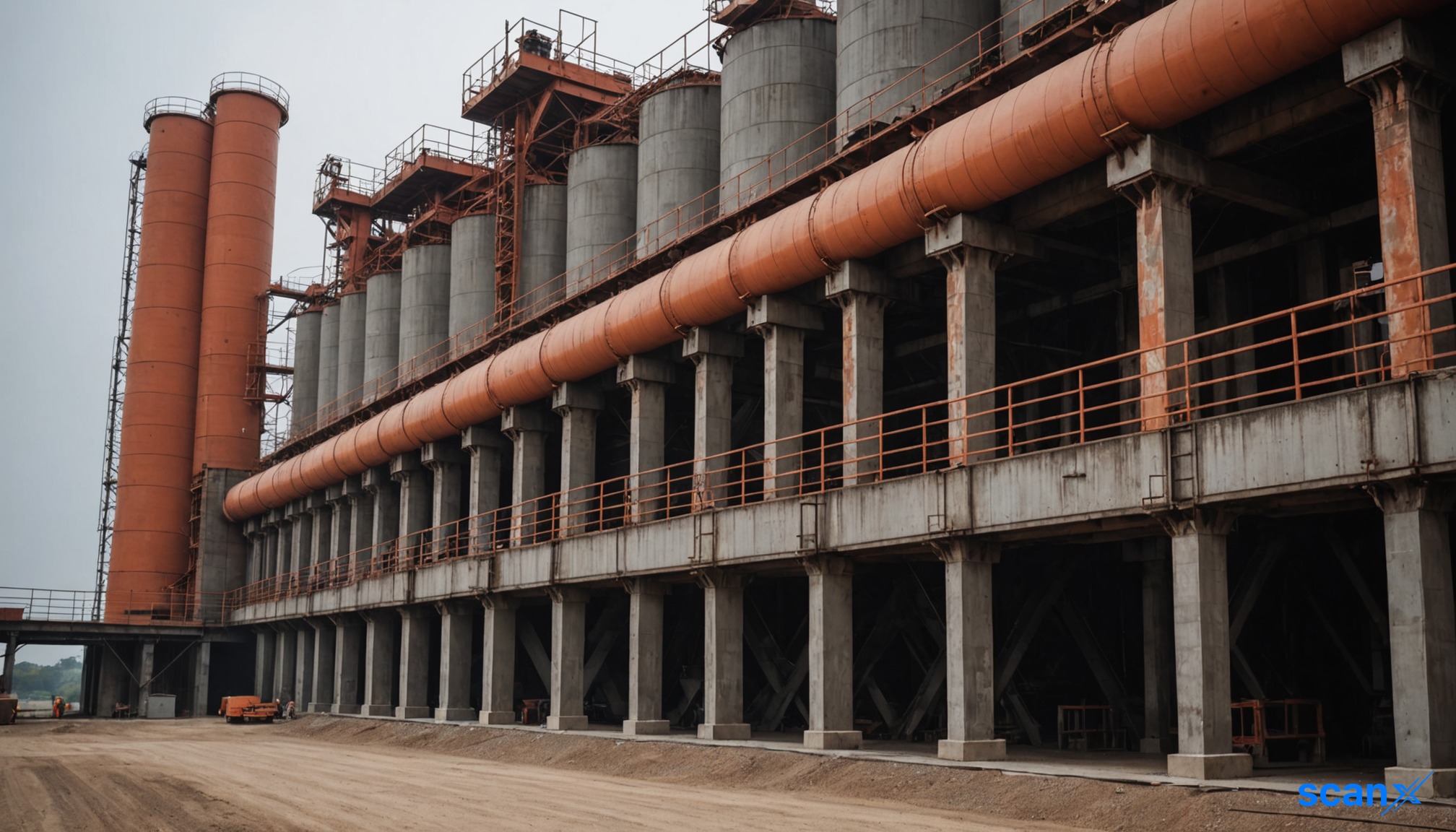
*this image is generated using AI for illustrative purposes only.
Geely Automobile Holdings and Ford Motor Company announced an agreement on July 23, 2026, to establish a Europe-focused joint venture (JV) at Ford’s manufacturing facility in Valencia, Spain. This strategic partnership aims to secure the future of the Valencia plant, optimize factory utilization, and deliver a combined lineup of multi-energy vehicles for European markets. The JV represents a significant shift in localized production strategy for both automakers, leveraging shared development costs to enhance operational excellence and provide long-term stability for the local workforce.
The joint venture is structured with Ford Motor Company holding a 66% ownership stake and Geely Automobile Holdings owning 34%. Pending regulatory approvals, the entity is scheduled to officially begin operations in the first half of 2027. The first new vehicles are expected to roll off the production line in 2028. This timeline allows both companies to align their engineering and supply chain logistics before full-scale manufacturing begins.
Production Plans and Capacity
The Valencia plant, already recognized as one of Europe’s most productive automotive facilities, has a potential annual capacity of approximately 500,000 units. The JV will transform this site into a shared, high-tech manufacturing hub. Production plans include three Ford-branded multi-energy vehicles and two electric Geely-branded models.
| Brand | Vehicle Type | Number of Models | Start Year |
|---|---|---|---|
| Ford | Multi-energy vehicles | 3 | 2028 |
| Geely | Electric vehicles | 2 | 2028 |
This diversified output strategy addresses varying consumer preferences across Europe, offering both traditional multi-energy options and fully electric alternatives. By sharing the plant’s infrastructure, both brands can achieve economies of scale that would be difficult to attain independently.
Strategic Context and Growth
For Geely Automobile Holdings, this partnership accelerates its European expansion. The company reported overseas sales of 474,228 vehicles in the first half of 2026, representing a year-on-year increase of 158%. This rapid growth underscores Geely’s status as one of the fastest-growing Chinese automotive brands globally. The collaboration builds on a history of trust dating back to 2010, when Ford sold Volvo Cars to Geely, allowing the latter to protect and revitalize the brand.
Jim Baumbick, president of Ford Europe, emphasized the importance of maintaining a flexible and cost-effective industrial system. He stated that partnering with Geely allows Ford to fully utilize its capable workforce and match the industry’s new cost benchmarks. Alex Nan, Vice President of Geely Auto Group, described the cooperation as a milestone in Geely’s global development, reinforcing its commitment to delivering high-quality vehicles that contribute to Europe’s green future.
What the Numbers Show
The disparity in ownership stakes—66% for Ford versus 34% for Geely—reflects the asset-heavy nature of the arrangement, where Ford contributes its existing Valencia facility. However, the operational impact is balanced through shared production lines. The projected output of five new models by 2028 indicates a strong commitment to product diversity. For Geely, integrating into a European manufacturing base reduces logistical barriers and enhances brand credibility, supporting its aggressive overseas sales growth trajectory observed in the first half of 2026.

How might the 66/34 ownership split influence decision-making dynamics and strategic alignment between Ford and Geely within the joint venture?
What specific regulatory hurdles could delay the planned H1 2027 operational start, particularly regarding EU-China automotive trade policies?
Will the introduction of five new models by 2028 be sufficient to offset the initial capital expenditure required to retool the Valencia facility for multi-energy production?
 19
19






 Access Market Heat-map & Insights
  Create, Save & Share your Screener
  Use 200+ Screening Filters





