Federal Judge Rules Trump Administration Illegally Cut $7.6 Billion Clean Energy Grants

2 min read     Updated on 13 Jan 2026, 01:08 PM
scanx
Reviewed by
Shraddha JScanX News Team
Overview

Federal Judge Amit Mehta ruled the Trump administration illegally canceled $7.6 billion in clean energy grants by targeting 16 states that voted for Kamala Harris, violating constitutional equal protection requirements. The grants supported hundreds of projects including battery plants and hydrogen technology across states like California and New York. The administration defended the cuts as necessary for fiscal responsibility, while environmental groups celebrated the ruling as protecting clean energy investments.
29835512

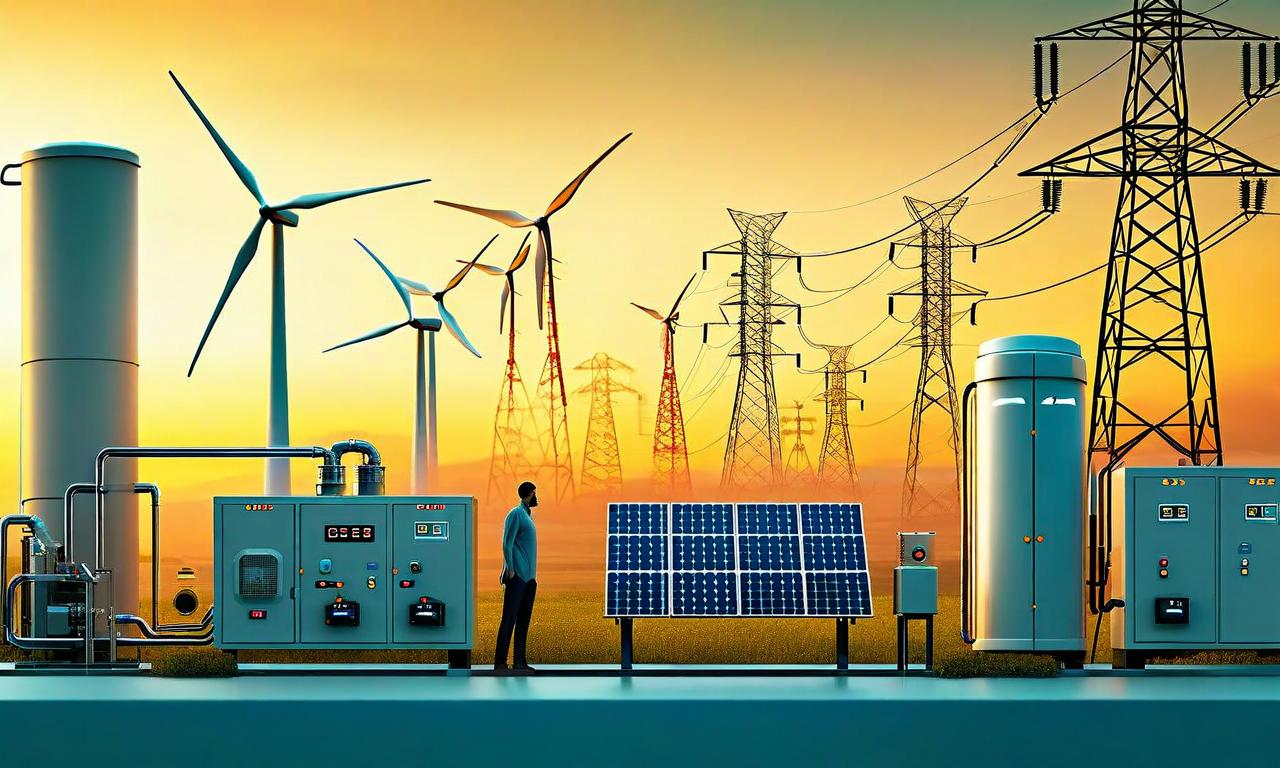
*this image is generated using AI for illustrative purposes only.

A federal judge has delivered a significant legal blow to the Trump administration's clean energy rollback efforts, ruling that the cancellation of $7.6 billion in clean energy grants was unconstitutional and violated equal protection requirements.

Court Ruling Details

U.S. District Judge Amit Mehta issued a 17-page opinion Monday declaring the Trump administration's actions illegal after it canceled grants for clean energy projects in 16 states that voted for Democrat Kamala Harris in the 2024 election. The judge found that the administration violated the Constitution's equal protection requirements through its targeting strategy.

"Defendants freely admit that they made grant-termination decisions primarily — if not exclusively — based on whether the awardee resided in a state whose citizens voted for President Trump in 2024," Mehta wrote in his opinion. The administration offered no explanation for how their "purposeful targeting of grant recipients based on their electoral support for Trump — or lack of it — rationally advances their stated government interest," the judge added.

Affected Projects and States

The canceled grants supported hundreds of clean energy projects across multiple sectors, including battery plants, hydrogen technology projects, upgrades to the electric grid, and efforts to capture carbon dioxide emissions. All 16 targeted states had supported Harris in the election.

State Category Details
Affected States California, Colorado, Connecticut, Delaware, Hawaii, Illinois, Maryland, Massachusetts, Minnesota, New Hampshire, New Jersey, New Mexico, New York, Oregon, Vermont, Washington
Major Cuts Up to ₹1.2 billion for California's hydrogen hub, up to ₹1 billion for Pacific Northwest hydrogen project
Spared Projects Texas hydrogen project, three-state project in West Virginia, Ohio, and Pennsylvania

Administration's Defense

The Energy Department defended its decision, stating the projects were terminated after a review determined they did not adequately advance the nation's energy needs or were not economically viable. Russell Vought, the White House budget director, said on social media that "the Left's climate agenda is being canceled."

Energy Department spokesman Ben Dietderich said officials disagree with the judge's decision, stating: "Officials stand by our review process, which evaluated these awards individually and determined they did not meet the standards necessary to justify the continued spending of taxpayer dollars. The American people deserve a government that is accountable and responsible in managing taxpayer funds."

Legal Challenge and Response

The city of St. Paul and a coalition of environmental groups filed the lawsuit after losing their grants. Vickie Patton, general counsel for the Environmental Defense Fund, said the court ruling "recognized that the Trump Department of Energy vindictively canceled projects for clean affordable energy that just happened to be in states disfavored by the Trump administration."

Anne Evens, CEO of Elevate Energy, one of the groups that lost funding, said the court ruling would help keep clean energy affordable and create jobs. "Affordable energy should be a reality for everyone, and the restoration of these grants is an important step toward making that possible," she said.

The ruling represents the second legal setback for the administration's clean energy rollback efforts in a single day, as a separate federal judge also ruled that work on a major offshore wind farm for Rhode Island and Connecticut can resume.

Source: https://www.cnbctv18.com/world/us-federal-judge-rules-trump-administration-illegally-cut-7-6-billion-clean-energy-grants-19819935.htm

like19
dislike

Trump's Proposed Credit Card Rate Cap: Short-Term Relief Against Long-Term Market Risks

2 min read     Updated on 13 Jan 2026, 10:50 AM
scanx
Reviewed by
Shraddha JScanX News Team
Overview

Trump's proposed one-year credit card interest rate cap could provide short-term relief to consumers facing $1.23 trillion in total balances and ~20% average rates, but faces Congressional approval challenges and potential market consequences. Financial stocks declined as investors weighed impacts on bank profitability from restricting rates that can reach 30%. While the measure could ease pressure on debt-burdened households, analysts warn of risks including tighter lending standards, reduced credit availability, and consumer shifts toward less regulated alternative financing options.

29827229

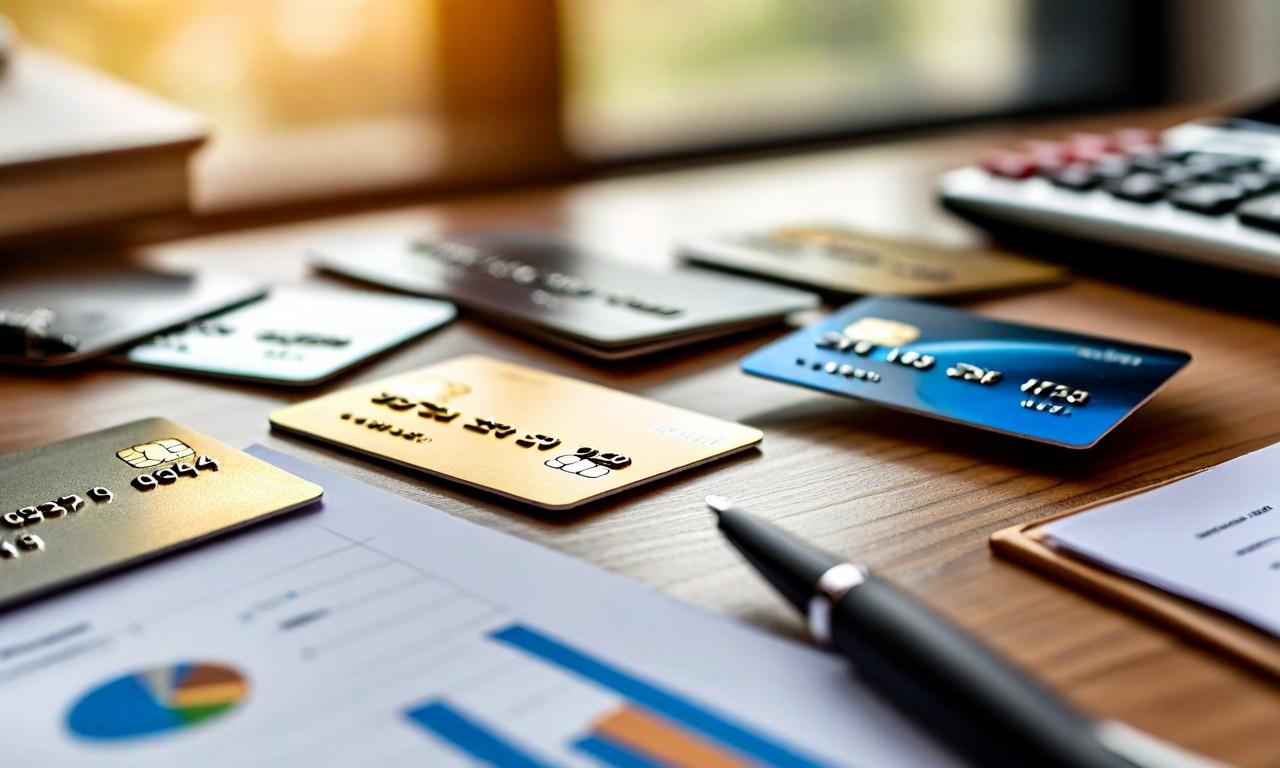
*this image is generated using AI for illustrative purposes only.

President Donald Trump has proposed a one-year cap on U.S. credit card interest rates, sparking debate about potential benefits for consumers versus risks to the broader financial system. The proposal, which lacks detailed implementation guidelines, would require Congressional approval and faces significant legislative hurdles according to market experts.

Market Response and Current Landscape

Financial markets reacted swiftly to the announcement, with banking stocks declining from Wall Street to London's Canary Wharf on January 12 as investors evaluated potential impacts on lenders. The proposal comes amid a challenging environment for U.S. consumers, where credit card debt represents one of the most expensive forms of household borrowing.

Current Market Conditions: Details
Average Interest Rates: ~20%
Total Credit Card Balances (Q3 2025): $1.23 trillion
Rate Range: Up to 30% for some cards
Market Structure: Revolving credit with compound interest

Consumer Impact and Debt Burden

Credit card debt has become particularly burdensome for American households, with balances often persisting for years due to high interest rates and minimum payment structures. Subprime borrowers and lower-income households face the greatest challenges, frequently becoming trapped in cycles where high rates, fees, and minimum payments make meaningful principal reduction difficult.

For consumers currently carrying balances, a temporary rate cap could provide immediate financial relief by reducing interest costs and easing payment pressure. However, this short-term benefit must be weighed against potential long-term consequences for credit availability.

Banking Industry Concerns

Credit cards represent among the most profitable lending products for banks and consumer finance companies, with interest rates significantly exceeding those on mortgages or secured loans. Banks rely on higher interest charges to offset default risks, particularly among riskier borrower segments.

Potential Banking Impacts: Consequences
Profitability: Billions in lost interest income
Risk Management: Reduced ability to price default risk
Business Model: Forced restructuring of card portfolios
Lending Standards: Likely tightening of credit criteria

Industry groups have warned that rate caps could ultimately harm millions of households and small businesses that depend on credit cards for daily spending and cash-flow management. Lenders may respond by tightening lending standards or reducing exposure to subprime customers to protect profit margins.

Economic and Market Implications

Analysts caution that the proposed cap could have broader economic ramifications beyond the banking sector. If financial institutions respond by cutting credit limits or tightening lending standards, reduced access to credit could negatively impact retail sales and overall consumer spending—a key driver of U.S. economic growth.

The restriction could also push consumers toward alternative financing options, including buy-now, pay-later services, pawn shops, or other non-bank lenders. These markets typically operate with less regulation and may expose financially stressed households to new risks. Buy-now, pay-later providers, which earn merchant fees rather than consumer interest, could see increased demand if traditional credit becomes less accessible.

Implementation Challenges

The proposal faces significant legislative obstacles, requiring Congressional approval with long odds of becoming law according to market experts. Trump has not outlined specific implementation mechanisms, leaving questions about enforcement, scope, and duration unanswered.

While the measure could provide immediate relief to heavily indebted consumers, economists and analysts emphasize that it comes with substantial trade-offs including tighter credit availability, pressure on bank profitability, and potential shifts toward costlier or riskier borrowing alternatives.

like16

dislike
Explore Other Articles