

Exxon Mobil Maintains Venezuela Interest Despite Trump Administration Rebuke


Exxon Mobil maintains interest in Venezuela operations despite Trump's criticism following a White House meeting where CEO Darren Woods called for legal protections before investment. The company remains prepared to send assessment teams within weeks. Industry faces challenges from previous nationalizations, with Exxon and ConocoPhillips owed over $13 billion collectively, while Chevron continues operating as the only American major in the country.

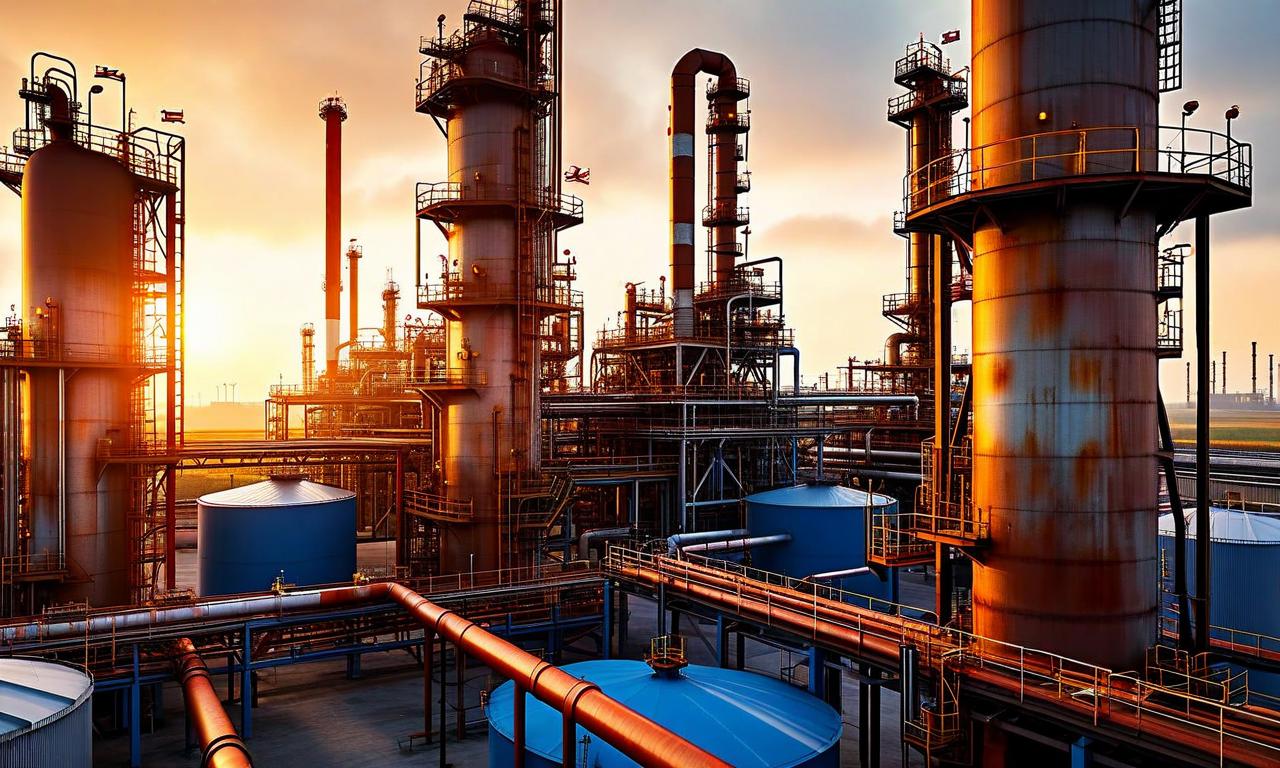

*this image is generated using AI for illustrative purposes only.
Exxon Mobil remains committed to exploring opportunities in Venezuela despite facing criticism from Trump following a recent White House meeting with major oil executives. The company is prepared to send an assessment team to the country, according to a source familiar with the company's strategy.
White House Meeting Sparks Controversy
During a White House meeting on Friday, Exxon CEO Darren Woods outlined specific conditions for the company's potential involvement in Venezuela. Woods emphasized that Venezuela needed to implement legal changes and establish investment protections before Exxon would commit to operating in the country. The CEO also expressed his belief that the Trump administration could help resolve Venezuela's ongoing challenges.
Trump's response came days later when he told reporters on Air Force One that he "didn't like Exxon's response" and indicated he was inclined to keep the oil major out of Venezuela. Exxon executives were reportedly surprised by Trump's reaction, particularly given Woods' supportive comments about the administration's potential role in solving Venezuela's problems.
Assessment Plans Move Forward
Despite the administration's criticism, Exxon maintains its readiness to deploy resources to Venezuela. Woods indicated during the meeting that the company could send a technical team to the country within weeks to begin evaluating oil infrastructure and other assets. This assessment would be crucial for determining the scope and viability of potential operations in the country.
The White House meeting occurred less than a week after American forces captured and removed Venezuelan President Nicolas Maduro in an overnight raid. Trump has subsequently urged American energy firms to invest $100 billion to rebuild Venezuela's oil industry.
Industry Background and Challenges
The current situation reflects a complex history between American oil companies and Venezuela. Before former President Hugo Chavez nationalized the industry between 2004 and 2007, Exxon, ConocoPhillips, and Chevron were key partners of Venezuela's state oil company, PDVSA.
| Company | Current Status | Outstanding Claims |
|---|---|---|
| Chevron | Operating in Venezuela | Negotiated deal to remain |
| Exxon Mobil | Seeking re-entry | Part of $13+ billion in arbitration claims |
| ConocoPhillips | Seeking re-entry | Part of $13+ billion in arbitration claims |
Chevron emerged from the recent White House meeting in a stronger position, as it has room to invest in existing operations to increase production. The company is currently the only American oil major operating in Venezuela.
Industry Perspective on Investment Conditions
American Petroleum Institute President Mike Sommers outlined key requirements for industry investment in Venezuela during a Monday briefing. He emphasized the need for greater workforce security and comprehensive policy reforms, including measures covering contract sanctity.
Sommers identified debts from previous asset expropriations as a "significant hurdle for many companies that may be concerned about investing in this resource." However, he acknowledged that Venezuela's energy assets are substantial enough to attract significant interest and expressed confidence that the Trump administration understands industry concerns.
"The asset base in Venezuela is huge and the potential for investment is very significant," Sommers stated, highlighting the country's substantial energy resources despite the operational challenges.
Industry experts suggest that long-term concerns about Venezuela operations remain unchanged even after the White House meeting. Energy analysts note that Trump's comments would not necessarily influence companies' long-term plans, given that major energy projects require several years to build and many more years to provide returns on investment.
 16
16






 Create Custom Screeners
  Access 200+ Pre-built Filters
  Use 50+ Readymade Screener





