

Exxon Calls Venezuela 'Uninvestable' as Trump Pushes $100 Billion Oil Investment Plan


US oil executives showed mixed reactions to Trump's $100 billion Venezuela investment proposal, with Exxon's CEO calling the country "uninvestable" due to inadequate legal frameworks. While Chevron committed to increasing production by 50% over 18-24 months, other companies demanded stronger investment protections before making substantial commitments to rebuild Venezuela's deteriorated oil infrastructure.

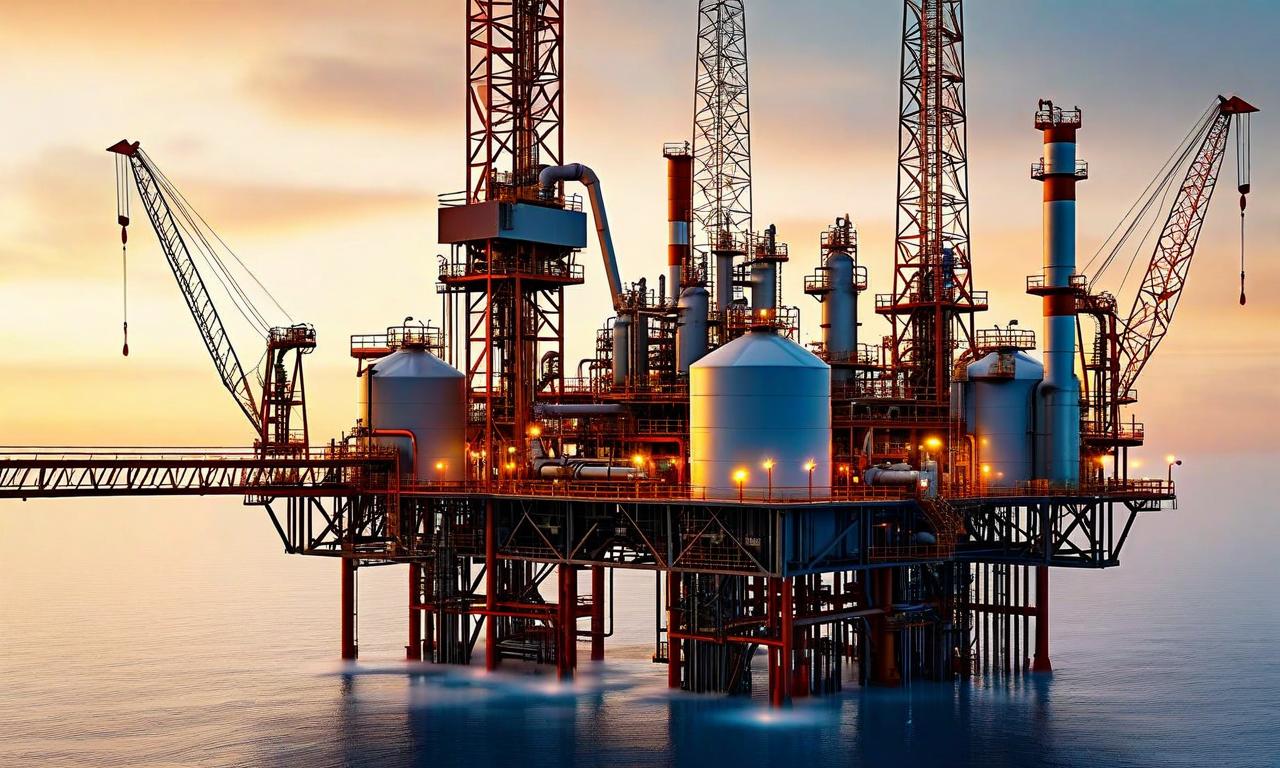

*this image is generated using AI for illustrative purposes only.
Major US oil executives expressed significant reservations about President Trump's ambitious proposal for the industry to invest at least $100 billion in rebuilding Venezuela's oil sector. During a White House meeting with nearly 20 industry representatives, company leaders highlighted substantial concerns about the legal and commercial viability of large-scale investments in the Latin American nation.
Executive Concerns Over Investment Framework
Exxon Mobil CEO Darren Woods delivered some of the strongest criticism of the current investment environment in Venezuela. "If we look at the legal and commercial constructs and frameworks in place today in Venezuela today, it's uninvestable," Woods stated, referencing his company's previous experiences with government asset seizures.
| Key Concerns Raised: | Details |
|---|---|
| Asset Protection: | Durability of financial protections |
| Legal Framework: | Commercial arrangements and legal structures |
| Investment Returns: | Long-term profitability over decades |
| Government Relations: | Security guarantees and official invitations |
Woods emphasized the need for comprehensive safeguards before any investment decisions, asking: "How durable are the protections from a financial standpoint? What will the returns look like? What are the commercial arrangements, the legal frameworks?"
Mixed Industry Response to Presidential Push
The meeting revealed a spectrum of responses from oil industry leaders. While Trump predicted they could reach an agreement "today or very shortly thereafter," executive comments suggested more cautious approaches. Continental Resources' Harold Hamm, a longtime Trump supporter, acknowledged the opportunity's appeal but emphasized the substantial investment requirements and time needed for proper evaluation.
| Company Positions: | Stance |
|---|---|
| Exxon Mobil: | Requires legal framework improvements |
| Chevron: | Ready to increase current production |
| ConocoPhillips: | Previously lost $12.00 billion in Venezuela |
| Repsol: | Prepared to invest with proper framework |
| Armstrong Oil & Gas: | Enthusiastic about opportunities |
Chevron emerged as the most committed participant, with Vice Chairman Mark Nelson indicating plans to significantly increase the company's current 240,000 barrels per day production by approximately 50% over the next 18 to 24 months.
Investment Scale and Market Implications
Trump clarified that companies would be "spending at least $100 billion of their money — not the government's money," ruling out US subsidies for the Venezuelan operations. The president expressed confidence after the meeting, telling reporters: "We sort of formed a deal. They're going to be going in with hundreds of billions of dollars in drilling oil."
However, Energy Secretary Chris Wright identified Chevron as the "one specific pledge" from an oil company to help revive Venezuela's crude production, suggesting limited concrete commitments from other participants.
Infrastructure and Production Challenges
Venezuela possesses the world's largest proved crude reserves but faces significant operational challenges. Current production has declined to less than 1 million barrels per day due to decades of infrastructure deterioration and foreign company departures. Industry experts estimate that rebuilding abandoned rigs, repairing leaky pipelines, and addressing environmental damage could require years and tens of billions of dollars simply to achieve modest production increases.
The administration plans to begin selling upward of 50 million barrels of Venezuelan crude currently in storage, with West Texas Intermediate futures hovering near $59.00 per barrel. Market reactions reflect both the potential supply increase and ongoing uncertainty about implementation timelines and investment commitments from major oil companies.
 19
19






 Create Custom Screeners
  Access 200+ Pre-built Filters
  Use 50+ Readymade Screener





