

EU joins US sanctions on Iran as Bessent vows to sever financial lifelines


- EU officially joins Operation Economic Outcast against Iran
- Bessent vows to sever all remaining financial lifelines to Tehran
- China accounted for more than 80% of Iran's shipped oil in 2025
- Trump privately considering declaring Iran war over per WSJ

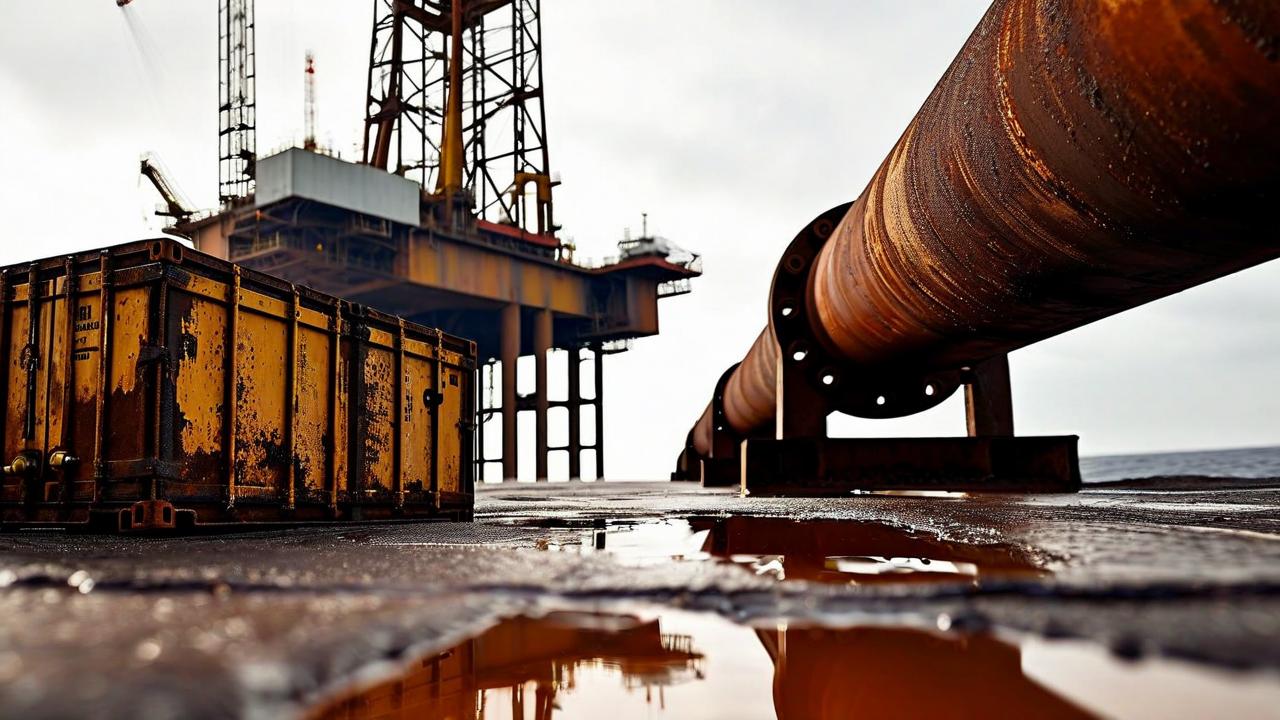

*this image is generated using AI for illustrative purposes only.
Treasury Secretary Scott Bessent said Thursday that the European Union has formally joined the U.S.-led sanctions campaign against Iran. He described the move as a signal that the world will not stop until every remaining financial lifeline is severed.
EU Joins Operation Economic Outcast
Bessent stated that the European Union has officially joined "Operation Economic Outcast," thanking the bloc for its "strong and early stance." He emphasized that the U.S. and its allies remain united in preventing Iran’s regime from exploiting the global financial system to fund its nuclear program, weapons, and terror proxies.
The EU welcomed efforts to ensure Iran ceases destabilizing activities. It stated it would continue working with the U.S. and other G7 partners to maintain pressure on Iran and contribute to de-escalation and regional stability. The bloc added it remains ready to take further measures where necessary, including protecting freedom of navigation through the Strait of Hormuz.
Escalating Military Tensions
U.S. forces launched a broader wave of strikes on Iranian targets on Sept. 1 in retaliation for earlier Iranian attacks on U.S. assets in the Gulf. Iran responded with missile and drone attacks on Kuwait on Thursday. This occurred a day after President Donald Trump said renewed hostilities in the Middle East would not last "too long."
Bessent told reporters at the G20 finance ministers’ meeting on Monday that Iran’s economy could unravel "within weeks or months." He noted the goal is to force the regime "to come to its senses." The Wall Street Journal reported on Wednesday that Trump is privately considering declaring the Iran war over, believing continued economic pressure alone could force Tehran to dismantle its nuclear program or collapse the regime.
China’s Role Under Scrutiny
China accounted for more than 80% of Iran’s shipped oil in 2025, according to Kpler data. This makes China central to Tehran’s remaining export revenue. Last month, Bessent said "no one is above the reach of U.S. sanctions" when asked whether Chinese institutions could face penalties. He added that "all options are on the table" regarding sanctions tied to China’s Iranian oil purchases.
China’s President Xi Jinping is set to visit the U.S. on Sept. 24.

How might the EU's participation in 'Operation Economic Outcast' impact transatlantic trade relations and European energy security dependencies?
What specific secondary sanctions could the U.S. impose on Chinese financial institutions to curb Iran's oil exports ahead of President Xi's visit?
Could the combination of severe economic sanctions and ongoing military strikes accelerate Iran's nuclear program rather than force a diplomatic resolution?
 18
18





 Create Custom Screeners
  Access 200+ Pre-built Filters
  Use 50+ Readymade Screener





