

EU Considers Ban on Russian Copper and Platinum in New Sanctions Package


The European Union is considering a ban on Russian copper and platinum imports as part of new sanctions measures. This potential restriction would expand existing economic measures against Russia, targeting key metal exports that are important to global supply chains and Russian export revenue.

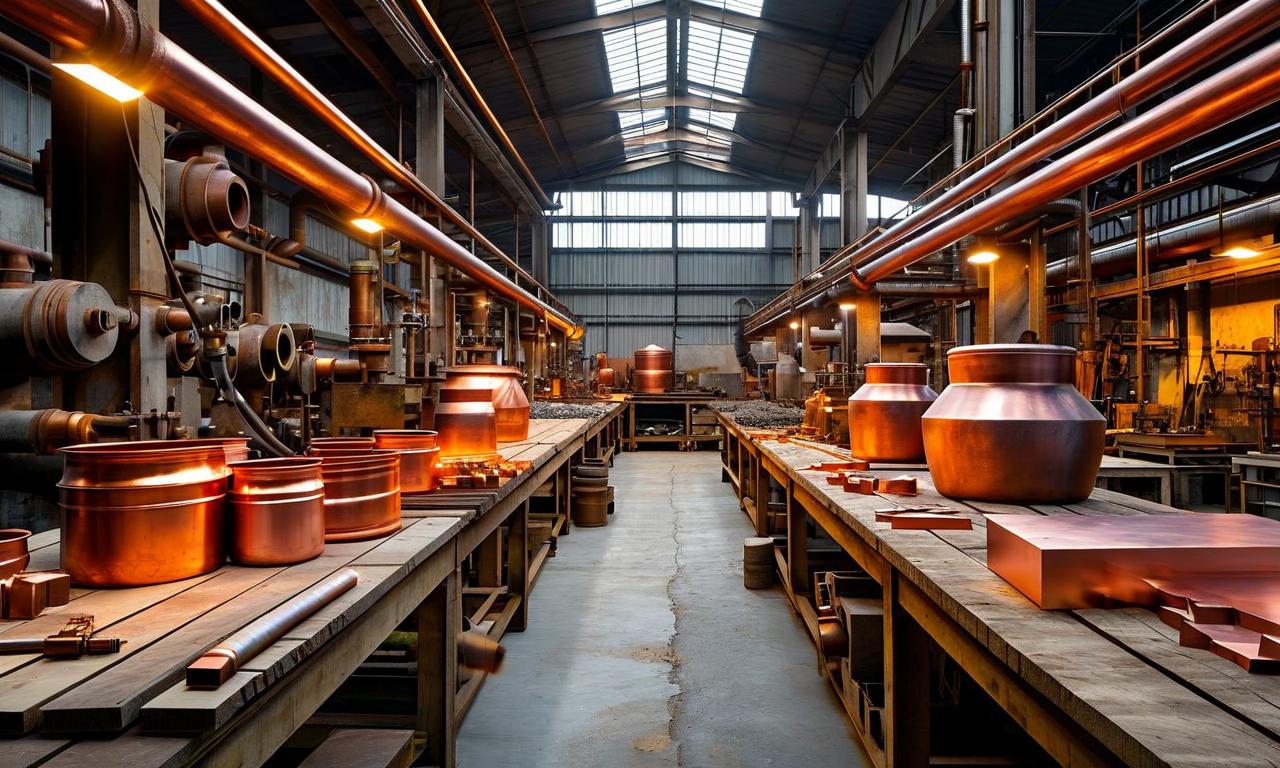

*this image is generated using AI for illustrative purposes only.
The European Union is reportedly deliberating on implementing a ban on Russian copper and platinum imports as part of a new sanctions package. This potential measure represents an expansion of existing economic restrictions against Russia, targeting key metal exports that play a significant role in global supply chains.
Proposed Sanctions Scope
The discussions focus on restricting imports of two critical metals from Russia. Copper and platinum are essential materials used across various industries, from electronics and construction to automotive and jewelry manufacturing. These metals represent important revenue streams for Russia's export economy.
Strategic Economic Measures
The potential ban would add to the existing framework of economic sanctions that the EU has implemented. By targeting specific metal exports, the proposed measures aim to apply focused economic pressure while addressing strategic supply chain considerations. The deliberations indicate the EU's ongoing approach to expanding restrictive measures through carefully selected trade restrictions.
Market Implications
Russian copper and platinum exports constitute significant portions of global supply for these metals. Any implementation of import restrictions would require alternative sourcing arrangements and could influence international metal markets. The proposed sanctions reflect the complex balance between economic pressure and supply chain management that characterizes current trade policy decisions.
 16
16





 Access Market Heat-map & Insights
  Create, Save & Share your Screener
  Use 200+ Screening Filters





