

Egan-Jones warns of state-level risk to private commercial assets


- Drone strikes hit 16 Wildberries facilities across 14 regions in 18 days
- Published floor area loss reached 2.0 million square meters
- Retailer disclaimed force majeure liability 11 days before strikes began
- Defenders pay 20x to 600x attacker unit cost for passive hardening
- Losses cascade to merchants, insurers, and lenders behind struck operators



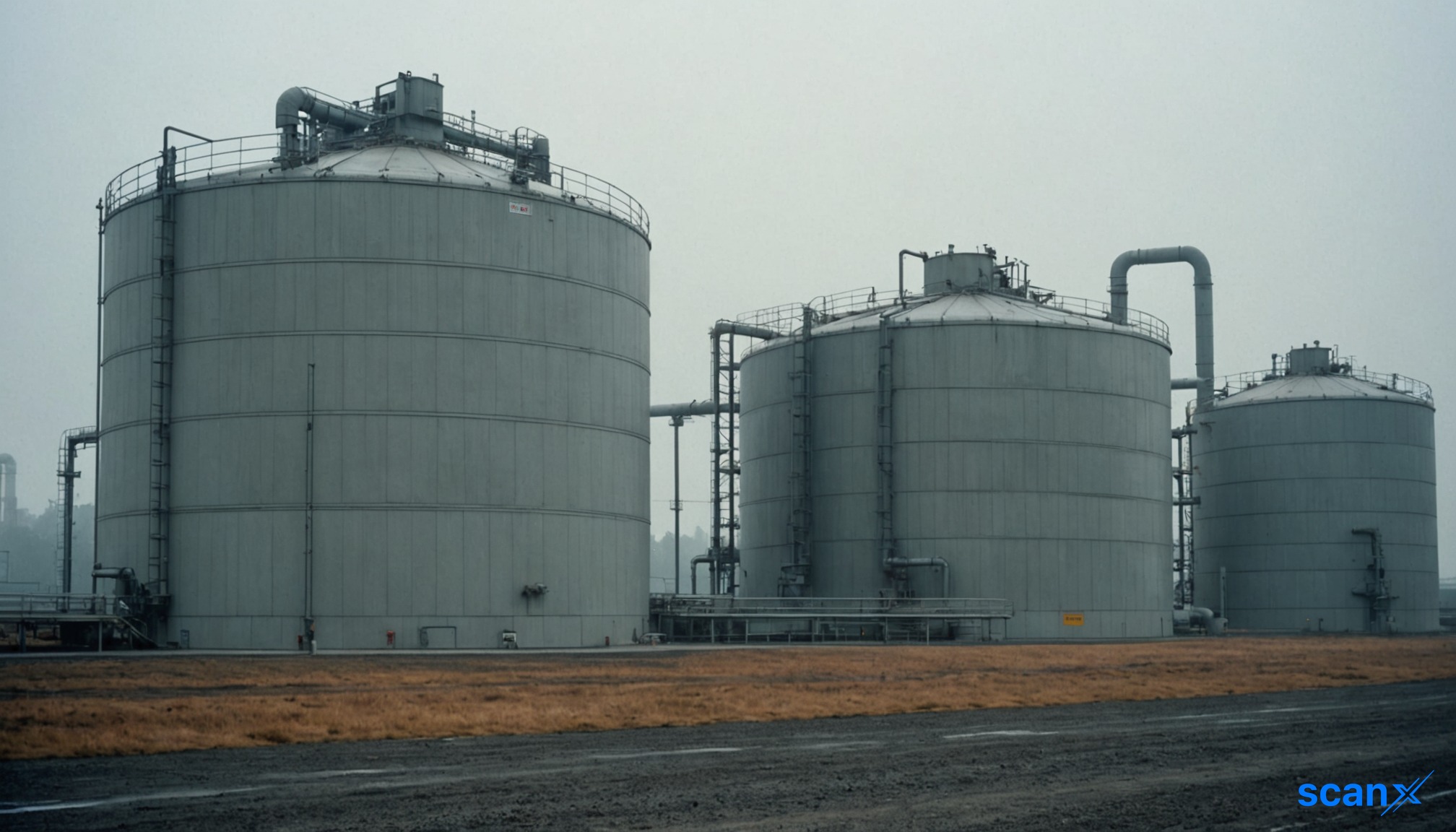
*this image is generated using AI for illustrative purposes only.
Egan-Jones Ratings Co. released an analysis on Sept. 3, 2026, highlighting how falling costs for long-range attacks expose privately owned commercial assets to state-level conflict risk.
The firm notes that while nuclear deterrence holds, the cost of inflicting damage has collapsed. Drones costing roughly $2,000 each damaged about a third of Russia's strategic cruise missile carriers during Ukraine's Operation Spiderweb in June 2025.
Wildberries Strike Impact
Commercial infrastructure remains highly reachable. Between July 18 and August 4, 2026, drones struck at least sixteen facilities of Wildberries across fourteen regions. The retailer handles about 45 percent of Russian online commerce.
| Metric | Value |
|---|---|
| Facilities Struck | At least sixteen |
| Regions Affected | Fourteen |
| Published Floor Area | 2.0 million square meters |
| Duration of Strikes | 18 days |
The published floor area of 2.0 million square meters in eighteen days represents about 4 percent of the North American space Amazon reported in its latest annual filing.
Credit and Liability Shift
Loss allocation is central for credit investors. Eleven days before the first strike, Wildberries revised terms to disclaim liability for goods destroyed in force majeure events. This left sellers uncompensated, moving costs onto thousands of small merchants. Insurance covered a share and declined the balance.
Egan-Jones observes that a physical loss at a dispersed borrower resolves into a capital question for lenders whose own assets were never subject to attack.
What the Numbers Show
Defenders pay 20x – 600x the attacker's unit cost. Passive hardening is not viable at scale. Egan-Jones suggests holders of asset-heavy private positions examine state-level exposure by documenting site concentration, replacement lead times, war exclusions, contractual loss allocation, and counterparty pass-through.
The leading indicator is whether a product line characterizes a business as supporting a state's military effort. Wildberries became a target after its catalog listed drone components. Deterrence has not failed among states, but losses can now be inherited by parties never struck directly.

How might global insurers adjust war exclusion clauses or premium structures for logistics providers operating in conflict-adjacent regions?
Could the shift of loss liability to small merchants trigger a consolidation wave among e-commerce sellers seeking larger, better-insured platforms?
What specific contractual safeguards should lenders implement to protect against 'inherited losses' from borrowers whose assets are indirectly targeted in state-level conflicts?
 18
18






 Create Custom Screeners
  Access 200+ Pre-built Filters
  Use 50+ Readymade Screener





