

Davos 2025: Trump's Tariff Threats Dominate as AI Investment Hits $600 Billion Since 2010


The World Economic Forum Annual Meeting in Davos faces heightened tensions as Trump threatens European tariffs over Greenland, with WEF officials expecting difficult diplomatic discussions. Global AI investment has surged to $600 billion since 2010, growing at 33% annually with the US and China dominating spending. Critical funding gaps emerge across sectors, including a $200 billion healthcare shortfall and the need to quadruple clean fuel investment to $100 billion by 2030. Silver prices hit a historic milestone above ₹3,00,000 per kilogram on MCX amid geopolitical uncertainties.

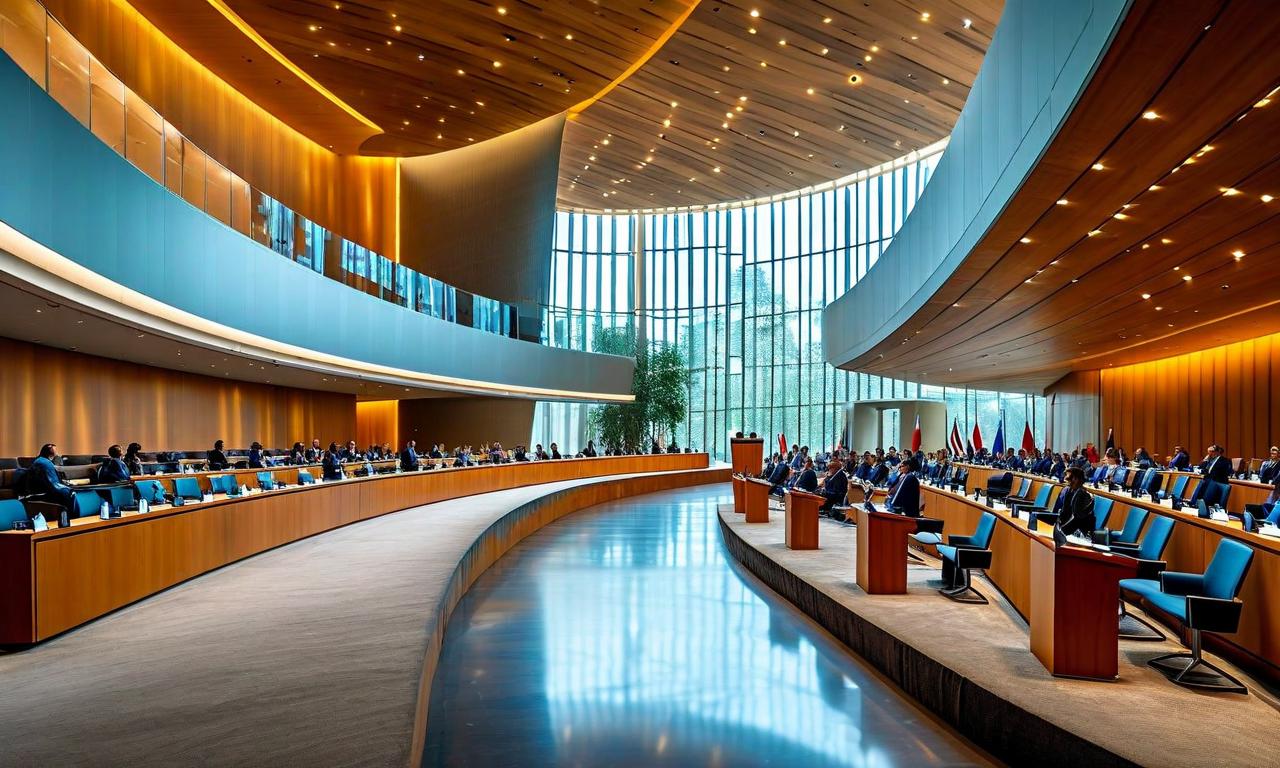

*this image is generated using AI for illustrative purposes only.
The World Economic Forum Annual Meeting in Davos is set against a backdrop of escalating geopolitical tensions and unprecedented technological investment, as global leaders prepare for what officials describe as potentially challenging diplomatic discussions. Trump's recent threat to impose tariffs on Europe if it does not cede Greenland to the United States has created an atmosphere of uncertainty ahead of the gathering.
Tariff Tensions Dominate Davos Agenda
World Economic Forum President and CEO Borge Brende anticipates difficult conversations at this year's meeting, telling CNBC-TV18 that he expects "quite tough dialogues" and "frank dialogues" around tariff issues. The tariff concerns have persisted for almost a year between the US and various stakeholders, creating ongoing diplomatic friction.
| Event Details: | Information |
|---|---|
| CEO Attendance: | 850 world's top CEOs |
| Trump's Interest: | Keen on attending to engage global business leaders |
| Key Issues: | Tariffs, Greenland, trade relations |
Record AI Investment Surge
Artificial intelligence has emerged as the fastest-growing investment sector globally, with Cathy Li, Head of AI, Data and Metaverse at the World Economic Forum, revealing staggering investment figures. Global AI investment has reached nearly $600 billion since 2010, representing what Li describes as "the fastest large-scale capital reallocation in modern history."
| AI Investment Breakdown: | Details |
|---|---|
| Total Investment (2010-2024): | $600 billion |
| US and China Share: | 65% of total spending |
| Annual Growth Rate: | 33% |
| Geographic Concentration: | Two-thirds from US and China |
The rapid expansion underscores the global race for AI dominance, with investment growing at an annual rate of approximately 33%.
Critical Funding Shortfalls Identified
The forum has highlighted significant funding gaps across multiple sectors. Global healthcare faces a $200 billion shortfall, according to World Bank estimates, as the US steps back from several multilateral healthcare organizations. Shyam Bishen, Head of the Centre for Health and Healthcare at the WEF, noted that current funding levels fall far short of requirements for building resilient healthcare systems capable of responding to climate change and future pandemics.
Clean energy investment presents another major challenge. Roberto Bocca, Head of Energy and Materials at the WEF, emphasized that meeting global climate goals will require annual investment in clean fuel production to nearly quadruple from approximately $25 billion currently to close to $100 billion by 2030.
Market Volatility and Commodity Surge
Geopolitical tensions have driven significant market movements, with silver crossing the ₹3,00,000 per kilogram threshold on the Multi-Commodity Exchange for the first time. The precious metal reached ₹3,01,315 per kilogram, reflecting investor concerns about trade volatility stemming from Trump's tariff threats.
| Silver Price Milestone: | Details |
|---|---|
| Peak Price: | ₹3,01,315 per kg |
| Exchange: | Multi-Commodity Exchange (MCX) |
| Historical Significance: | First time crossing ₹3,00,000 threshold |
| Driving Factors: | Geopolitical uncertainties, tariff threats |
Global Risk Assessment
The World Economic Forum's latest Global Risks Report identifies geoeconomic confrontation as the primary risk facing the global economy over the next two years. Saadia Zahidi, Managing Director at the WEF, highlighted business leaders' concerns about US trade tariffs, investment screening, access to critical resources, and supply chain disruptions. Geopolitical and state-based conflicts also rank prominently among business risk assessments.
The convergence of these challenges at Davos reflects the complex intersection of technological advancement, geopolitical tension, and economic uncertainty that characterizes the current global landscape.
 17
17


 Access Market Heat-map & Insights
  Create, Save & Share your Screener
  Use 200+ Screening Filters





