

Dalio warns Strait of Hormuz clash decides US empire fate


Ray Dalio identifies the Strait of Hormuz conflict as the critical test for U.S. imperial longevity, warning that loss of control could mirror historical declines of past empires. His July 24 post coincides with escalating military actions, including U.S. strikes on Iranian sites and the seizure of commercial vessels, raising concerns about global oil security and dollar stability.


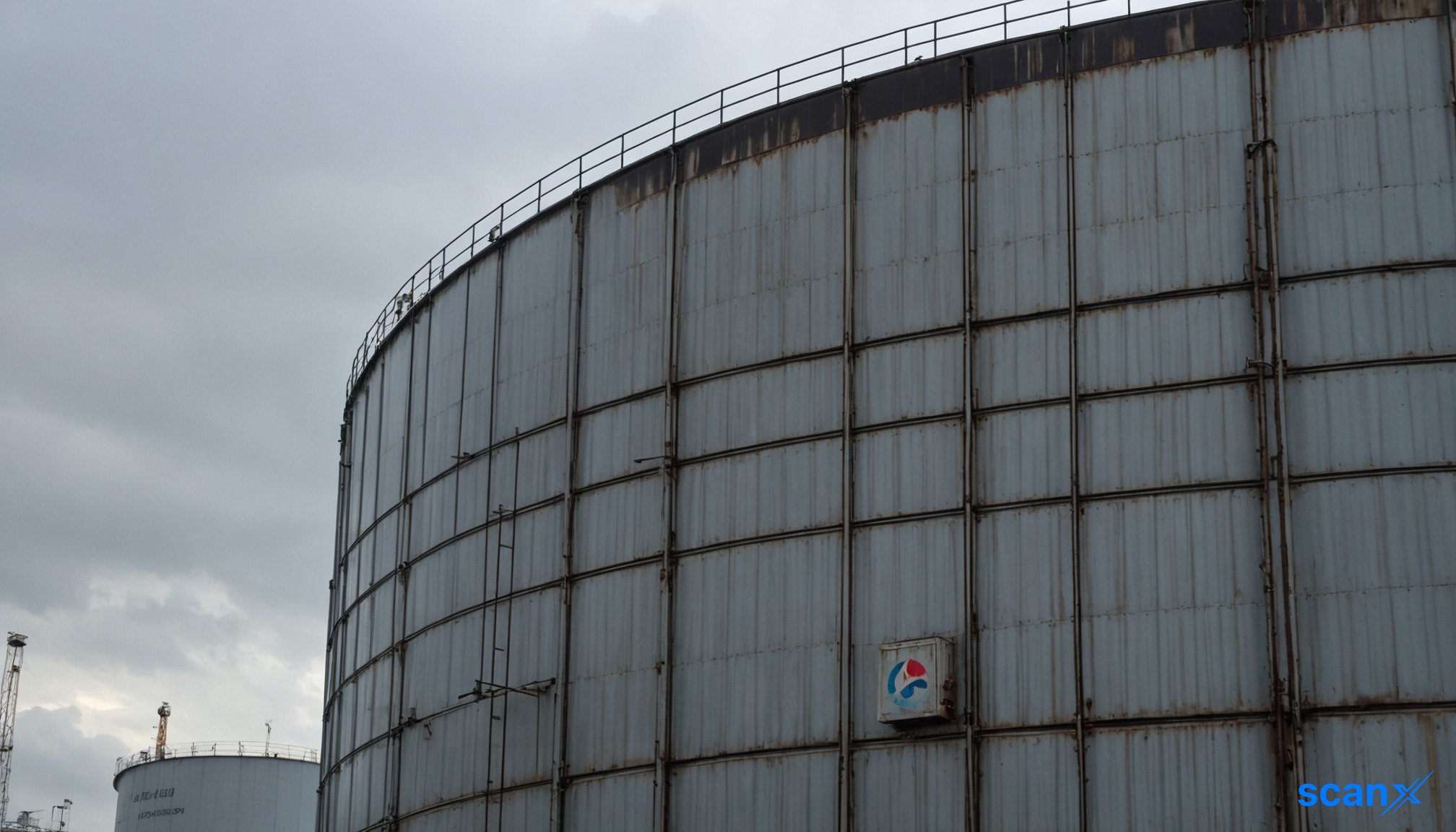
*this image is generated using AI for illustrative purposes only.
Bridgewater Associates founder Ray Dalio warned on July 24, 2026, that the ongoing conflict at the Strait of Hormuz constitutes a decisive "final battle" that will determine whether the United States empire "survives or falls." The billionaire investor posted his assessment on X, stating that the outcome hinges entirely on control of the strategic waterway, which is critical for global oil flows and the dollar's reserve-currency status.
Dalio noted that his earlier analysis from March, when the war began, is now playing out in real-time. He wrote, "It All Comes Down to the Strait of Hormuz: the Final Battle," adding that it is now clear the predicted scenario is unfolding and the result will soon be known. His warning follows recent military developments, including U.S. Central Command strikes on Iranian drone storage sites after Tehran reportedly rejected a cease-fire proposal.
Historical Parallels to Imperial Decline
Dalio drew direct parallels between the current situation and the 1956 Suez Canal Crisis, arguing that a U.S. failure to secure the strait could signal the start of American imperial decline. He cited historical precedents where setbacks led to the fall of the British, Dutch, and Spanish empires. According to Dalio, such moments determine the survival of an empire because capital and confidence naturally shift away from the losing power.
Conflict Fits Broader World War Pattern
In April, Dalio mapped the Iran war onto a 13-step historical cycle he follows, placing the conflict at "Step 9." This stage is defined by simultaneous fighting across multiple fronts. Dalio warned that no leading power in history has successfully managed wars on multiple fronts at the same time, suggesting significant risk for the current global hegemon.
Geopolitical Escalation and Shipping Risks
The geopolitical landscape continues to intensify as the U.S. and U.K. reportedly plan a London conference to build an international coalition to protect Hormuz shipping. These diplomatic efforts occur even as President Donald Trump nears a decision on a possible "massive attack" on Iran. Meanwhile, physical disruptions have already begun; reports indicate Iran has seized three ships since the war started, including two MSC container vessels and a tanker linked to Greek shipping magnate George Prokopiou.
What the Numbers Show
The concentration of risk at a single chokepoint highlights the fragility of global supply chains. With three major vessels seized early in the conflict, the potential for broader disruption to global trade is immediate. Dalio’s framework suggests that the financial markets' reaction will not just reflect military outcomes but the structural shift in confidence regarding the U.S. dollar's dominance.

How might a prolonged disruption at the Strait of Hormuz accelerate the de-dollarization efforts currently underway by BRICS nations and other emerging economies?
What specific hedging strategies are institutional investors likely to adopt if Dalio's prediction of a structural shift in capital confidence away from the US materializes?
Could the proposed London coalition effectively deter Iranian naval activities, or will it instead provoke a broader regional escalation involving proxy forces?
 16
16






 Create Custom Screeners
  Access 200+ Pre-built Filters
  Use 50+ Readymade Screener





