
 NewsChina to Cancel Export VAT Rebates for Solar Products from April 2026, Battery Products from January 2027
China to Cancel Export VAT Rebates for Solar Products from April 2026, Battery Products from January 2027


China will eliminate VAT export rebates for solar PV products from April 1, 2026, and battery products from January 1, 2027, following a transitional period with reduced rebates. The policy change accompanies regulatory measures to address price competition issues in the solar sector, while China's solar capacity additions dropped 52% year-over-year to 28.06 GW in Q3 2025 amid market-based pricing reforms.

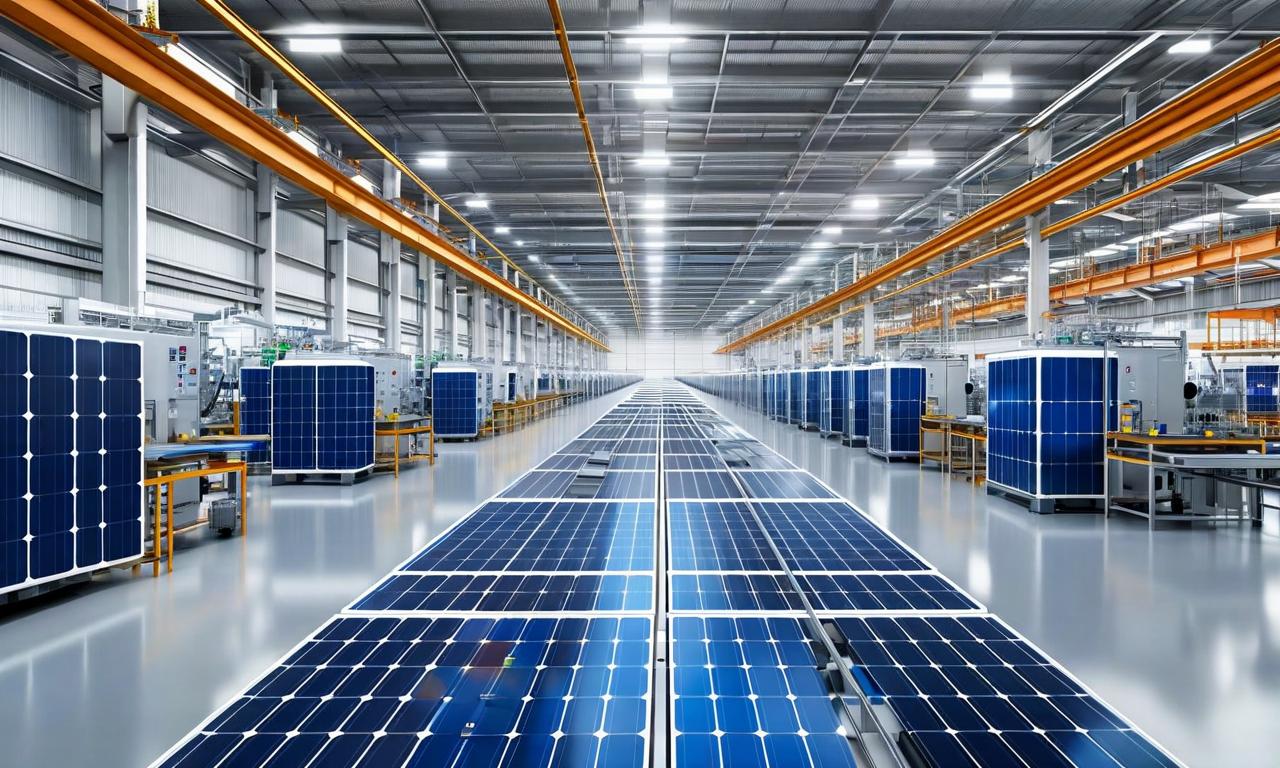

*this image is generated using AI for illustrative purposes only.
China has announced significant changes to its export incentive structure for renewable energy products, with the Ministry of Finance and State Taxation Administration declaring the cancellation of value-added tax (VAT) export rebates for photovoltaic and related products. The policy changes will reshape the competitive landscape for Chinese solar and battery manufacturers in international markets.
VAT Rebate Elimination Timeline
The new policy follows a phased approach for different product categories:
| Product Category: | Current Rebate | April 1 - Dec 31, 2026 | From January 1, 2027 |
|---|---|---|---|
| Solar PV Products: | Available | Cancelled | Cancelled |
| Battery Products: | 9.00% | 6.00% | Cancelled |
Export-related consumption tax policies will remain unchanged for products subject to consumption tax, with existing refund or exemption policies continuing to apply. The applicable rebate rate will be determined based on the export date stated on the customs declaration form.
Regulatory Measures for Industry Competition
China's State Administration for Market Regulation (SAMR) has issued compliance guidance in Hefei, Anhui Province, targeting price competition regulation in the photovoltaic industry. The regulatory body highlighted several critical issues affecting the sector:
- Low-quality competition practices
- Homogeneous and repetitive capacity expansion
- Widespread profitability challenges across the industry
SAMR emphasized the importance of rectifying what it termed "involution-style competition" in the solar sector. Solar companies are now required to conduct operations in accordance with laws and regulations, with strict prohibitions on price collusion, price fraud, and other improper pricing practices.
Solar Capacity Installation Trends
China's solar power sector experienced a significant decline in new capacity additions during the third quarter of 2025:
| Parameter: | Q3 2025 | Q3 2024 | Change |
|---|---|---|---|
| Solar Capacity Added: | 28.06 GW | 58.40 GW | -52% YoY |
According to the National Energy Administration, this substantial decrease reflects the impact of market-based pricing reforms. The China Photovoltaic Industry Association had previously indicated that solar installations would likely decline in 2025 following the introduction of these pricing reforms, marking a shift from China's previous reliance on feed-in tariff regimes that enabled rapid renewable energy capacity expansion.
International Trade Developments
China has escalated trade tensions in the solar sector by filing a complaint with the World Trade Organization against India's solar photovoltaic subsidies. The complaint alleges that Indian subsidies provide unfair competitive advantages to domestic companies and harm Chinese commercial interests in the global solar market.
These policy changes represent a significant shift in China's approach to supporting its renewable energy export sector, moving away from direct financial incentives while simultaneously addressing domestic market competition issues.
Source: https://www.mercomindia.com/china-to-scrap-export-vat-rebates-for-solar-products-from-april-1-2026
 20
20







 Access 50+ Readymade Screeners
  Use 200+ Custom Filters
  Get Full Market Insights





