
 NewsChina's Record $1 Trillion Trade Surplus Demonstrates Global Trade Resilience Despite Tariff Pressures
China's Record $1 Trillion Trade Surplus Demonstrates Global Trade Resilience Despite Tariff Pressures


China achieved a record $1 trillion trade surplus in 2024 despite US tariff pressures, with exports successfully redirecting to Southeast Asia (+13%) and EU (+8%) as America's share dropped to historic 11% low. The country's GDP grew 4.5% in Q4, meeting Xi Jinping's ~5% annual target, though domestic retail sales and investment underperformed, highlighting continued export dependence. Chinese EV exports showed mixed results, with BYD reporting five-fold UK sales growth while facing EU tariff challenges, demonstrating global trade's resilience and adaptability.

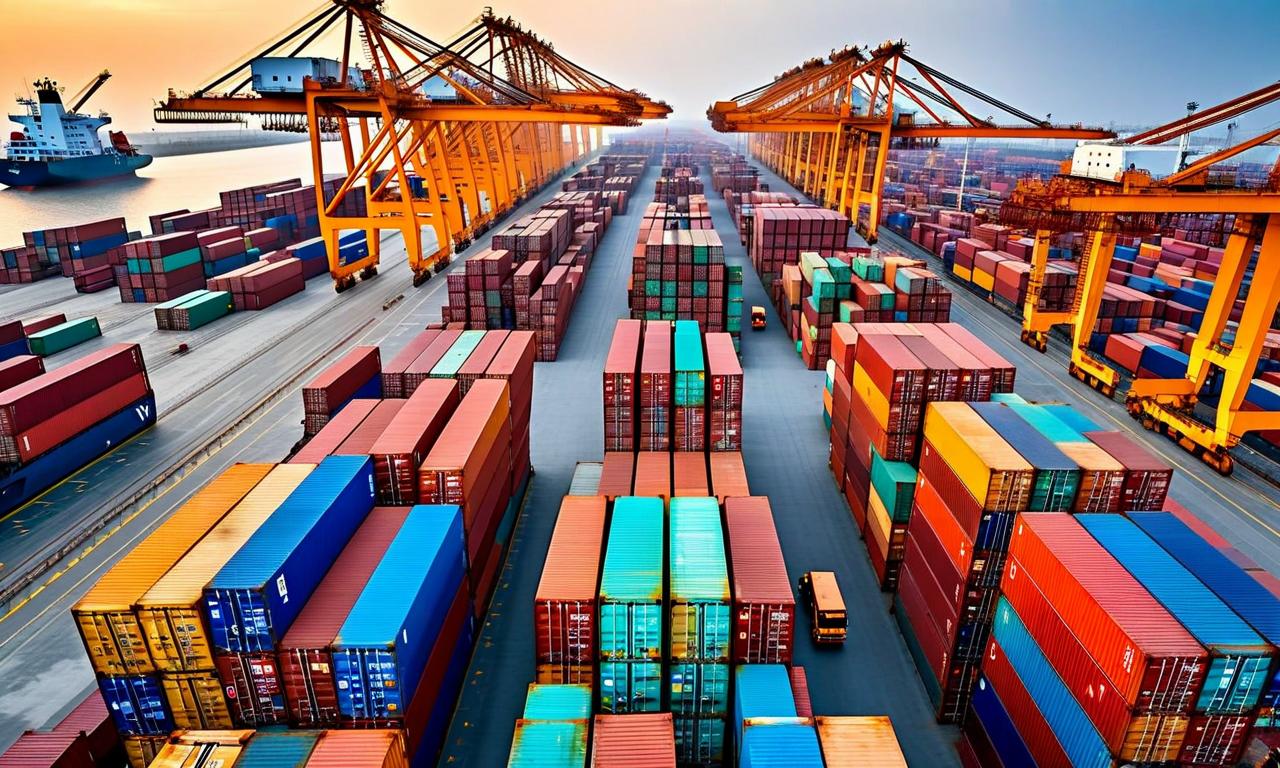

*this image is generated using AI for illustrative purposes only.
China's trade performance in 2024 has demonstrated remarkable resilience in the face of escalating global trade tensions, with the country achieving a record trade surplus exceeding $1 trillion. This milestone underscores how global trade patterns continue to adapt and evolve despite significant tariff barriers imposed by major economies.
Trade Flow Redirection Amid US Tensions
The impact of ongoing trade disputes has become evident in shifting export patterns. China's sales to the United States experienced a sharp decline in December, contributing to America's share of total Chinese exports falling to a historic low of 11% in 2024. However, this reduction in US-bound shipments has been offset by robust growth in alternative markets.
| Destination | Growth Rate | Performance |
|---|---|---|
| Southeast Asia | +13% | Strong expansion |
| European Union | +8% | Solid growth |
| United Kingdom | Similar magnitude | Steady increase |
This redirection of trade flows illustrates the adaptability of global commerce, with Chinese exporters successfully identifying and penetrating new markets to maintain overall export momentum.
Economic Performance and Growth Dynamics
China's domestic economic indicators present a mixed picture that highlights the continued importance of external demand. The country's GDP expanded 4.5% in the fourth quarter compared to the previous year, enabling it to meet President Xi Jinping's annual growth target of approximately 5%.
| Economic Indicator | Q4 Performance | Status |
|---|---|---|
| GDP Growth | 4.5% YoY | Target achieved |
| Retail Sales | Below expectations | Disappointing |
| Investment | Declined | Stumbled |
| Annual Growth Target | ~5% | Just met |
The weaker performance in domestic consumption and investment underscores the ongoing reliance on export markets for economic growth, particularly as Chinese authorities remain cautious about implementing large-scale stimulus measures.
Sector-Specific Developments
The electric vehicle sector exemplifies both the challenges and opportunities facing Chinese exporters. While the European Union has applied tariffs on Chinese EVs, it is considering replacing them with minimum pricing mechanisms, which could ease trade tensions. The UK market remains more accessible, with BYD, the Shenzhen-based EV manufacturer, reporting more than five-fold increase in sales to Britain in 2024.
Large segments of China's economy continue to experience deflationary pressures, resulting in lower export prices for goods destined for international markets. This pricing dynamic has implications for both Chinese manufacturers and their international competitors.
Currency and Policy Considerations
China's monetary policy approach reflects the delicate balance between supporting domestic growth and maintaining export competitiveness. The yuan appreciated approximately 5% over the past year, though this increase was more modest compared to other regional currencies including the Malaysian ringgit, Thai baht, and Singapore dollar.
Chinese policymakers appear reluctant to pursue aggressive domestic stimulus measures, partly due to concerns about currency appreciation that could impact export competitiveness. Many economists anticipate only incremental monetary easing measures, if any, throughout the current year.
Historical Context and Future Outlook
The resilience demonstrated by global trade networks echoes historical patterns of adaptation and recovery. Despite periodic setbacks and policy interventions, international commerce has consistently found alternative pathways when traditional routes face obstacles. The current situation, while presenting significant challenges, has not resulted in the widespread protectionist measures that characterized earlier periods of global economic stress.
The redirection of Chinese exports to Southeast Asia, Europe, and other markets demonstrates the fundamental durability of global trade relationships, even as geopolitical tensions continue to influence specific bilateral trading relationships.
 16
16







 Create Custom Screeners
  Access 200+ Pre-built Filters
  Use 50+ Readymade Screener





