

China's New Home Prices Fall 2.7% Annually in December, Steepest Decline in Five Months


China's new home prices fell 0.4% month-on-month in December with annual decline accelerating to 2.7%, marking the steepest drop in five months. Only 6 of 70 surveyed cities recorded price gains while 58 experienced declines. Property investment dropped 17.2% and home sales by floor area decreased 8.7% in 2025, reflecting ongoing sector distress that began in mid-2021.

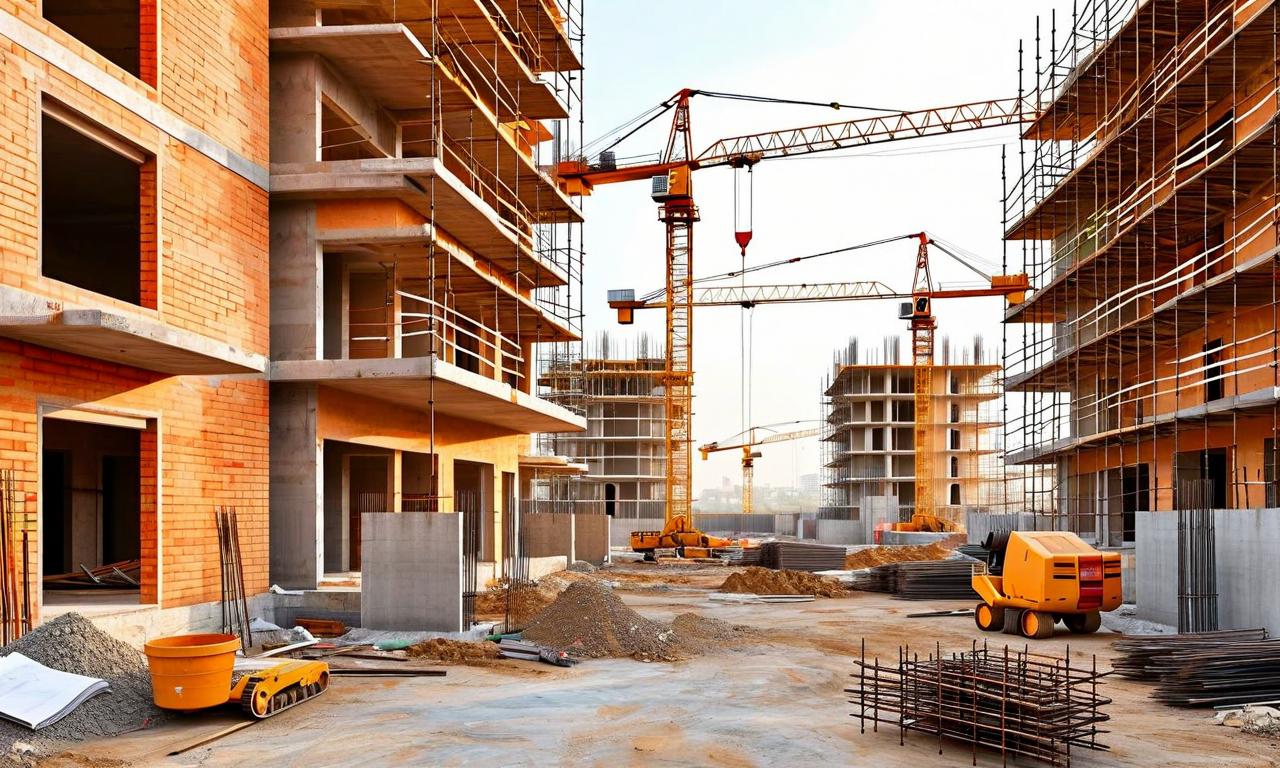

*this image is generated using AI for illustrative purposes only.
China's property sector faced continued pressure in December, with new home prices extending their downward trajectory despite repeated government interventions aimed at market stabilization. The latest official data from the National Bureau of Statistics reveals persistent weakness across the residential market, highlighting ongoing challenges in one of the economy's key sectors.
December Price Performance Shows Accelerating Decline
New home prices in China fell 0.4% month-on-month in December, matching the pace of decline recorded in November. However, the annual comparison painted a more concerning picture, with prices dropping 2.7% year-on-year, representing an acceleration from the 2.4% decline observed in the previous month.
| Metric | December | November | Change |
|---|---|---|---|
| Month-on-Month Decline | 0.4% | 0.4% | No change |
| Year-on-Year Decline | 2.7% | 2.4% | Accelerated by 0.3% |
| Period Significance | Fastest decline in five months | - | - |
Widespread Price Weakness Across Cities
The National Bureau of Statistics survey of 70 cities revealed the extent of the market downturn. Only six cities posted price gains in December, while 58 cities recorded declines, demonstrating the broad-based nature of the property sector's challenges.
The secondary market showed similar weakness, with existing home prices in tier-one, tier-two, and tier-three cities all falling faster compared to the previous year. This comprehensive decline across both new and existing home segments underscores the depth of the current market adjustment.
Broader Market Indicators Reflect Sector Distress
The property sector's struggles extended beyond pricing to fundamental market activity. According to separate official data, property investment in China dropped 17.2% while home sales by floor area decreased 8.7% in 2025, reflecting reduced confidence and activity across the residential market.
| Indicator | Performance | Impact |
|---|---|---|
| Property Investment | -17.2% decline | Reduced development activity |
| Home Sales by Floor Area | -8.7% decrease | Lower transaction volumes |
Government Recognition of Sector Transformation Needs
An article published in Qiushi, the Communist Party's official journal, acknowledged the property sector's critical role in the economy while calling for significant policy intervention. The publication described the sector as "undergoing a profound adjustment" and emphasized the need for "strong policy actions" to stabilize market expectations.
The property crisis, which began unfolding in mid-2021 following government campaigns to curb excessive borrowing, has created substantial financial distress among major developers. Companies like Country Garden and Evergrande have faced significant challenges due to heavy debt burdens and backlogs of unfinished projects.
China's financial regulator announced plans to promote the "normal operation" of government programs designed to accelerate financing support for eligible residential projects that have been stalled, indicating continued policy focus on addressing the sector's structural challenges.
 19
19







 Access Market Heat-map & Insights
  Create, Save & Share your Screener
  Use 200+ Screening Filters





