
 NewsChina's 15th Five-Year Plan: Charting a Course for Technological Self-Reliance and Strategic Industry Growth
China's 15th Five-Year Plan: Charting a Course for Technological Self-Reliance and Strategic Industry Growth


China's 15th Five-Year Plan (2026-2030) targets strategic emerging industries like new energy, materials, aviation, and aerospace. It prioritizes technological self-sufficiency in quantum tech, bio-manufacturing, and 6G communication while maintaining openness to foreign investment. The plan aims to leverage China's projected 800 million middle-income population to attract global innovation. During the previous plan, China received $720 billion in foreign investment, with one-third directed to high-tech sectors.

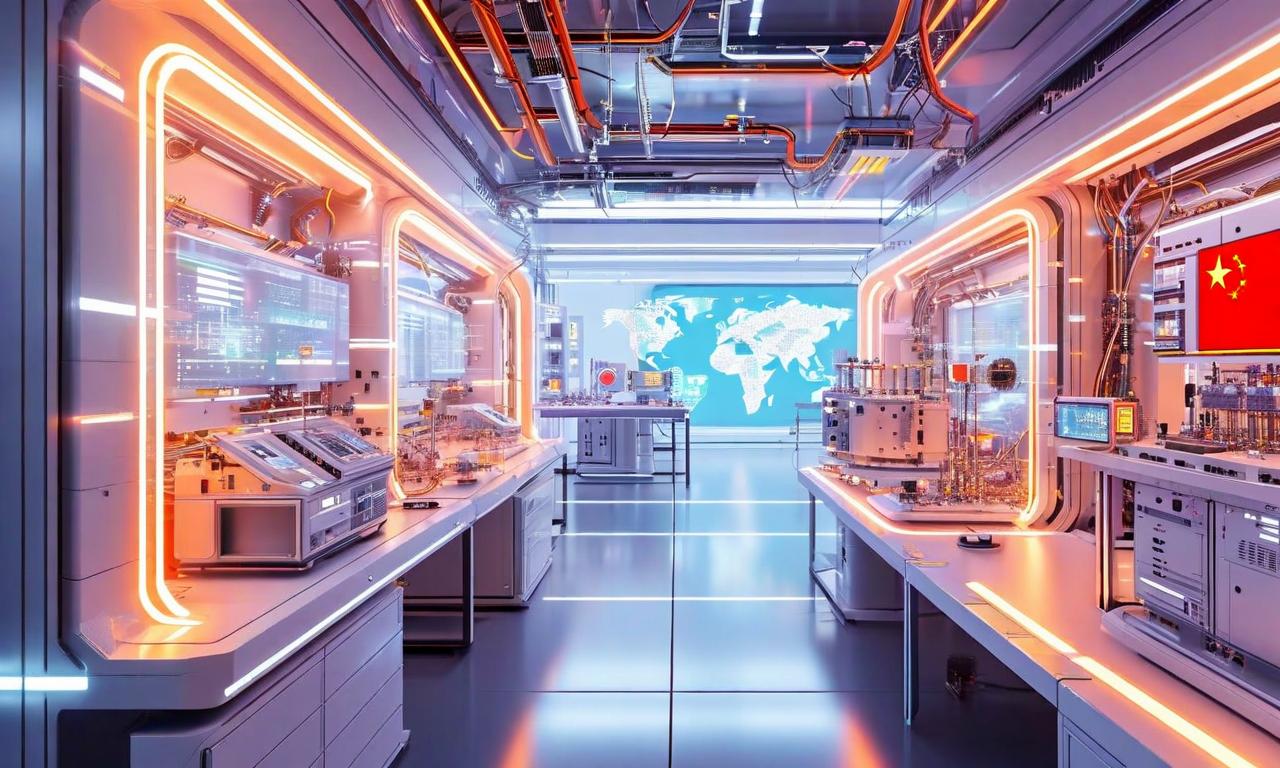

*this image is generated using AI for illustrative purposes only.
China has unveiled its economic and technological roadmap for 2026-2030 during the Communist Party's fourth plenary session, held from October 20-23, 2025. The 15th Five-Year Plan outlines ambitious goals focusing on strategic emerging industries and technological self-sufficiency while maintaining openness to foreign investment.
Key Focus Areas
The plan targets several strategic emerging industries expected to create trillion-yuan markets:
- New energy
- New materials
- Aviation
- Aerospace
- Low-altitude economy
Technological Priorities
China has identified key growth areas in advanced technologies:
- Quantum technology
- Bio-manufacturing
- Hydrogen energy
- Nuclear fusion energy
- Brain-computer interfaces
- Sixth-generation mobile communication
Economic Strategy
The plan emphasizes:
- Technological self-sufficiency
- Openness to foreign investment
- Domestic consumption growth
- Positioning China's market as a testing ground for innovations
Foreign Investment and High-Tech Sectors
During the previous 14th Five-Year Plan period:
| Metric | Value |
|---|---|
| Total foreign investment received | $720.00 billion |
| Proportion directed to high-tech sectors | One-third |
Market Projections
Commerce Minister Wang Wentao highlighted China's projected middle-income population of 800 million over the next decade, positioning the country as an attractive market for foreign investment and innovation.
Global Implications
The 15th Five-Year Plan signals:
- Intensified global competition in critical technologies
- Potential impacts on supply chain dynamics
- Influence on global commodity markets through China's green transition initiatives
This strategic plan underscores China's commitment to technological advancement and economic growth, with a focus on balancing self-reliance with international cooperation. As the world's second-largest economy charts its course for the next five years, global markets and industries may need to adapt to the changing landscape of innovation and competition.
 16
16







 Access 50+ Readymade Screeners
  Use 200+ Custom Filters
  Get Full Market Insights





